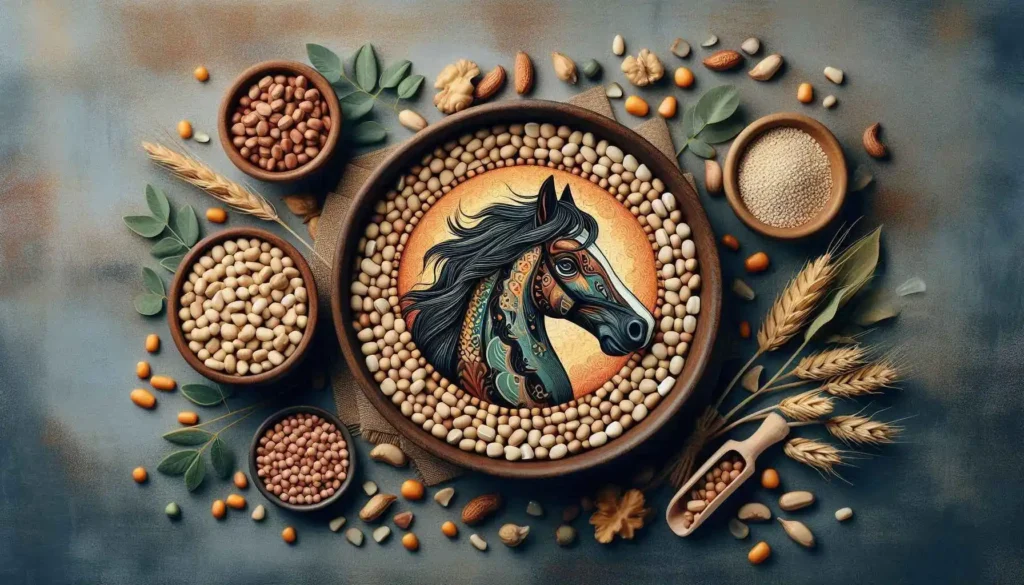
Horse Gram: The Superfood That’s Good for Your Overall Health
As we continue to explore the vast world of legumes, we often come across a humble ingredient that has been a staple in traditional medicine and cuisine for centuries – Horse Gram. Also known as Kulthi or Kollu, Horse Gram is a nutrient-dense legume that has been revered for its numerous health benefits and versatility in cooking. In this article, we will delve into the nutritional facts and health benefits of Horse Gram, and explore why it’s a great addition to our diets.
Nutritional Facts of Horse Gram
Horse Gram is a powerhouse of nutrients, boasting an impressive profile that makes it an excellent choice for those seeking a healthy and balanced diet. Here are some of its key nutritional facts:
| Nutrient | Value (per 100g) |
| Protein | 22g |
| Fiber | 10g |
| Iron | 6.8mg |
| Calcium | 280mg |
| Potassium | 1200mg |
| Phosphorus | 310mg |
As we can see from the table above, Horse Gram is rich in protein, fiber, and essential minerals like iron, calcium, and potassium. It is also relatively low in calories and has a low glycemic index, making it an excellent choice for those managing diabetes or watching their weight.
“The use of Horse Gram as a food ingredient and medicine has been documented in ancient Indian texts, highlighting its significance in traditional practices.” – Dr. Khadar Vali, Nutrition Expert