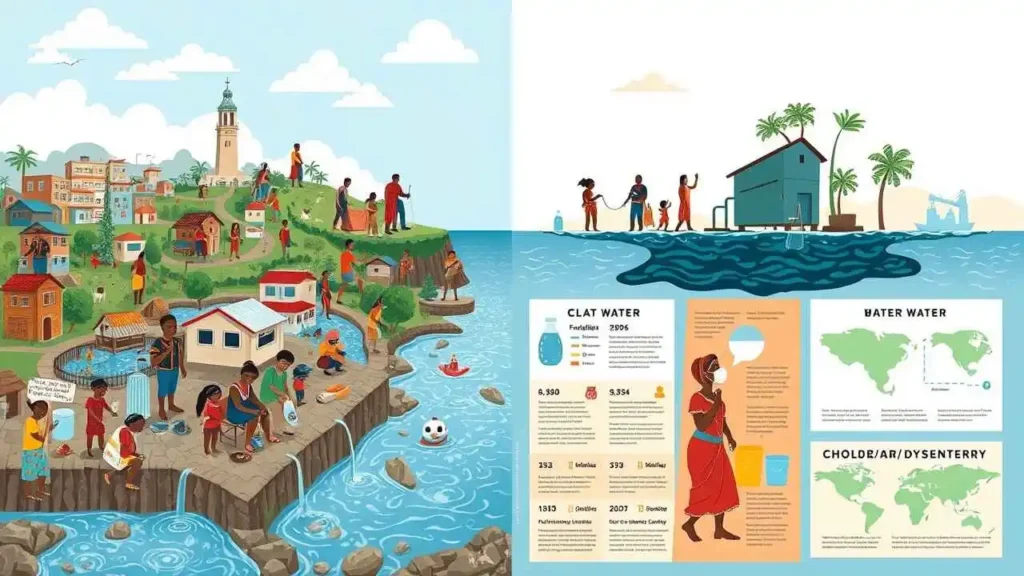
Understanding and Combating Waterborne Diseases: A Global Perspective
Water is fundamental to all life on Earth. We rely on it for drinking, sanitation, agriculture, industry, and recreation. Yet, this essential resource can also be a potent vector for disease, carrying pathogens that threaten human health on a massive scale. Waterborne diseases are illnesses caused by microscopic organisms, such as viruses, bacteria, and parasites, that are ingested through contaminated water or come into contact with skin or mucous membranes. As a global community, we face the persistent challenge of ensuring access to safe water, a critical step in safeguarding public health and fostering sustainable development.
We often take access to clean, safe water for granted in many parts of the world. Turn on a tap, and potable water flows out. However, for billions of people, fetching water is a daily struggle, and the water available is often a source of sickness rather than health. Understanding the nature of waterborne diseases, how they spread, and what we can collectively do to prevent them is vital.
What Are Waterborne Diseases?
At its core, a waterborne disease is one that is transmitted through water. The primary route of transmission is typically ingestion – drinking water that is contaminated with fecal matter containing pathogenic microorganisms. However, transmission can also occur through using contaminated water for food preparation, washing hands or clothes, bathing, or even recreational activities like swimming. These pathogens, once ingested, can cause a range of illnesses, from mild gastroenteritis to severe, life-threatening conditions.
The culprits behind waterborne diseases are diverse. They include:
- Bacteria: Such as Vibrio cholerae (causing cholera), Salmonella Typhi (causing typhoid fever), and Escherichia coli (certain strains causing diarrheal disease).
- Viruses: Like norovirus, rotavirus, and Hepatitis A.
- Parasites: Such as Giardia intestinalis (causing giardiasis) and Cryptosporidium species (causing cryptosporidiosis), as well as worms like Dracunculus medinensis (causing Guinea worm disease).
We understand now that the presence of these pathogens in water sources is overwhelmingly linked to inadequate sanitation, poor hygiene practices, and ineffective water treatment and distribution systems.
Common Waterborne Diseases We Encounter
While there are many types of waterborne illnesses, some are more prevalent and pose a significant global health burden. Here are a few key examples that we frequently see documented in health reports and news from around the world:
| Disease | Causative Agent | Typical Symptoms | Primary Transmission Route | Severity Potential |
| Cholera | Vibrio cholerae (Bacterium) | Profuse watery diarrhea, vomiting, dehydration | Drinking contaminated water, eating contaminated food | High (rapid severe dehydration, death) |
| Typhoid Fever | Salmonella Typhi (Bacterium) | High fever, weakness, stomach pain, headache, rash | Drinking contaminated water or milk, eating contaminated food | Moderate to High (can be fatal) |
| Dysentery | Shigella (Bacterium) or Entamoeba histolytica (Amoeba) | Severe diarrhea (often with blood/mucus), abdominal pain, fever | Drinking contaminated water, person-to-person contact with poor hygiene | Moderate to High (especially in children) |
| Giardiasis | Giardia intestinalis (Parasite) | Diarrhea, gas, stomach cramps, nausea, dehydration | Drinking contaminated water, poor hygiene, contaminated food | Moderate (can cause chronic issues) |
| Cryptosporidiosis | Cryptosporidium spp. (Parasite) | Watery diarrhea, stomach cramps, nausea, vomiting | Drinking contaminated water (highly resistant to chlorine), recreational water contact | Moderate (severe in immunocompromised) |
| Hepatitis A | Hepatitis A Virus (HAV) | Fatigue, nausea, abdominal pain, jaundice | Contaminated water, contaminated food, person-to-person contact | Moderate (usually resolves, can be severe) |
We see from this table that diarrheal diseases are a common outcome of waterborne infections, but the specific symptoms and severity can vary greatly depending on the pathogen involved.
Pathways of Transmission: How Contaminated Water Reaches Us
Understanding how water becomes contaminated and how that contamination reaches people is crucial for prevention. We recognize several key pathways:
- Contamination of Source Water: Water bodies like rivers, lakes, and groundwater aquifers can become contaminated with fecal matter from human (sewage) or animal waste due to inadequate sanitation infrastructure, agricultural runoff, or open defecation.
- Inadequate Water Treatment: If water taken from contaminated sources is not properly treated through filtration, disinfection (like chlorination or UV treatment), it will still contain pathogens when supplied to communities.
- Contamination During Distribution: Even clean water can become contaminated within the distribution system through leaking pipes, cross-connections with sewage lines, or inadequate storage practices.
- Unsafe Storage and Handling at Home: Water, even if safe when collected, can become contaminated in the home through unsafe storage containers, dirty hands, or contact with contaminated surfaces.
- Use in Food Preparation: Washing food or cooking with contaminated water, or preparing food on contaminated surfaces, can lead to ingestion of pathogens.
- Recreational Exposure: Swimming or playing in contaminated lakes, rivers, or pools can result in accidental ingestion of water or contact with skin and mucous membranes.
We can see that the issue isn’t just about the initial water source; it’s a complex chain from source to tap (or point of use) that requires multiple barriers to prevent contamination.
The Far-Reaching Impact of Waterborne Diseases
The consequences of waterborne diseases extend far beyond the immediate illness. We observe significant impacts on:
- Health: Millions of cases of illness and hundreds of thousands of deaths occur annually, especially among children under five, who are particularly vulnerable to dehydration and malnutrition caused by repeated diarrheal episodes. Chronic infections can lead to stunting and long-term health problems.
- Economy: The economic burden includes healthcare costs, lost wages due to illness, reduced productivity, and the cost of treating water and improving infrastructure. Communities and countries lose significant resources dealing with the consequences rather than investing in development.
- Education: High rates of illness among children lead to school absenteeism, impacting their learning and future opportunities. Caregivers (often mothers and girls) may also miss school or work to care for sick family members.
- Social Equity: Waterborne diseases disproportionately affect the poorest and most marginalized populations, exacerbating cycles of poverty and inequality. Access to safe water and sanitation is a human right, and lack thereof perpetuates disadvantage.
The global burden of waterborne disease is a stark reminder of the deep connection between environmental health, infrastructure, and human well-being. We see the data, we hear the stories, and we understand the urgency.
Our Collective Role: Prevention and Control
Addressing waterborne diseases requires a multi-pronged approach involving governments, communities, organizations, and individuals. We know that prevention is far more effective and cost-efficient than treating illness. Here are key strategies we must employ:
- Improving Water Sources and Treatment:
- Protecting surface and groundwater sources from contamination.
- Implementing effective filtration, disinfection (chlorination, UV, ozonation), and testing at water treatment plants.
- Developing and Maintaining Robust Infrastructure:
- Investing in and maintaining piped water supply systems to ensure clean water reaches homes.
- Building and improving sanitation systems, including sewage collection and treatment, to prevent fecal contamination of the environment and water sources.
- Promoting Safe Water Handling and Storage:
- Educating households on safe methods for collecting, storing, and handling water in the home to prevent re-contamination.
- Promoting point-of-use water treatment methods (boiling, filtration, solar disinfection) when piped safe water is unavailable.
- Advancing Hygiene Practices:
- Promoting handwashing with soap and water at critical times (after using the toilet, before handling food).
- Educating communities on safe disposal of feces, especially for infants and young children.
- Implementing Surveillance and Monitoring:
- Monitoring water quality regularly at various points in the supply chain.
- Tracking disease outbreaks to identify sources of contamination and respond quickly.
- Educating and Empowering Communities:
- Involving communities in planning and maintaining water and sanitation facilities.
- Raising awareness about the links between water, sanitation, hygiene, and health.
- Vaccination:
- Utilizing available vaccines (like for Cholera and Typhoid) in conjunction with water and sanitation improvements, especially in high-risk areas.
We recognize that truly sustainable solutions require integrated efforts across these areas. Clean water cannot be achieved without proper sanitation, and both are amplified by good hygiene practices.
“Sanitation and clean water are essential to alleviating poverty.” – Bill Gates
This quote resonates deeply with us because we see the cyclical nature of the challenge. Lack of access to safe water and sanitation traps communities in poverty, while poverty makes it harder to invest in the very infrastructure needed to break free from waterborne diseases.
Challenges We Still Face