
Sample day of an autoimmune‑friendly plate
Sample day of an autoimmune‑friendly plate
Breakfast: Smoothie with spinach, frozen berries, chia seeds, unsweetened almond milk, and 1 g of collagen peptides.
Snack: Handful of walnuts + a piece of fruit.

Lunch: Wild‑caught salmon salad with mixed greens, avocado, olive oil‑lemon dressing, and fermented kimchi on the side.
Dinner: Grass‑fed turkey meatballs in a low‑sugar tomato‑free sauce (use roasted red pepper substitute) served over cauliflower rice.
Evening: Golden milk (turmeric, ginger, black pepper, coconut milk) with a pinch of sea salt.
B. Lifestyle Changes
Regular, low‑impact exercise – Walking, swimming, yoga, or tai chi for 150 minutes per week improves circulation, reduces joint stiffness, and boosts endorphins.
Sleep hygiene – Aim for 7–9 hours of restorative sleep; maintain a dark, cool bedroom, and avoid screens 1 hour before bed. Poor sleep spikes IL‑6 and cortisol, aggravating autoimmune activity.
Avoid smoking & excessive alcohol – Both heighten systemic inflammation and interfere with medication metabolism.
Environmental detox – Use HEPA air filters, choose fragrance‑free cleaning products, and limit exposure to plastics (BPA) which may act as endocrine disruptors.
C. Stress Management
Chronic psychosocial stress is a well‑documented trigger for disease flares. Several techniques have demonstrated measurable reductions in inflammatory biomarkers.
| Technique | Evidence | How to Implement |
| Mindfulness‑based stress reduction (MBSR) | 8‑week programs reduce CRP and improve quality of life in RA patients. | Join a local class or use guided apps (e.g., Insight Timer, Headspace). |
| Deep diaphragmatic breathing | Lowers cortisol; activates parasympathetic nervous system. | 5‑minute box breathing (4‑4‑4‑4) three times daily. |
| Progressive muscle relaxation | Decreases muscle tension, improves sleep. | Follow a 10‑minute audio script before bedtime. |
| Cognitive‑behavioral therapy (CBT) | Helps reframe illness narratives, reduces catastrophizing. | Seek a therapist experienced with chronic illness. |
By integrating these practices, we can flatten the peaks of inflammation and give medications a smoother terrain on which to work.
IV. Medical Treatments for Autoimmune Diseases
While natural approaches lay a supportive foundation, many patients require pharmacologic therapy to achieve disease control and prevent irreversible organ damage.
A. Immunosuppressant Drugs
| Medication | Primary Use | Mechanism | Common Side Effects |
| Methotrexate | RA, psoriasis, IBD | Inhibits dihydrofolate reductase → reduces lymphocyte proliferation. | Liver toxicity, nausea, mouth ulcers; folic acid supplementation mitigates many effects. |
| Azathioprine | Lupus, inflammatory myopathies, transplant prophylaxis | Purine analog → blocks DNA synthesis in activated T/B cells. | Bone‑marrow suppression, increased infection risk; monitor CBC. |
| Mycophenolate mofetil | Lupus nephritis, dermatomyositis | Inhibits inosine monophosphate dehydrogenase → impairs guanine synthesis in lymphocytes. | GI upset, leukopenia; safe in pregnancy for some conditions. |
| Cyclophosphamide | Severe vasculitis, systemic sclerosis (lung involvement) | Alkylating agent → cross‑links DNA → profound immunosuppression. | Hemorrhagic cystitis, infertility; used short‑term. |
Key point: Immunosuppressants are often titrated to the lowest effective dose to balance disease control with infection risk. Routine labs (CBC, liver/kidney panels) and vaccinations (influenza, COVID‑19, pneumococcal) are essential components of safe therapy.
B. Anti‑Inflammatory Medications
Nonsteroidal anti‑inflammatory drugs (NSAIDs) (ibuprofen, naproxen). Provide symptomatic relief for joint pain and fever but do not modify disease progression.
Corticosteroids (prednisone, methylprednisone). Potent anti‑inflammatory agents used for rapid flare control. Long‑term use is avoided due to osteoporosis, hyperglycemia, and adrenal suppression.
C. Biological Therapies
Biologics target specific cytokines or immune checkpoints, offering precision immunomodulation.
| Biologic | Target | Indications | Administration |
| Adalimumab (Humira) | TNF‑α | RA, psoriatic arthritis, Crohn’s disease | Subcutaneous injection every 2 weeks |
| Rituximab (Rituxan) | CD20‑positive B cells | Rheumatoid arthritis (refractory), ANCA‑associated vasculitis | Intravenous infusion (2 × 1000 mg, 2 weeks apart) |
| Ustekinumab (Stelara) | IL‑12/23 | Psoriasis, psoriatic arthritis, Crohn’s disease | Subcutaneous injection (initial dose, then every 12 weeks) |
| Tocilizumab (Actemra) | IL‑6 receptor | RA, giant cell arteritis | IV infusion or subcutaneous injection weekly |
| Secukinumab (Cosentyx) | IL‑17A | Psoriasis, ankylosing spondylitis | Subcutaneous injection (weekly for 4 weeks, then monthly) |
Biologics have transformed the prognosis for many autoimmune patients, but they require screening for latent infections (e.g., TB, hepatitis B) before initiation.
V. Putting It All Together – A Holistic Management Plan
Below is a sample 12‑month roadmap that blends natural remedies with conventional medicine. Adjust timelines according to your provider’s guidance.
| Month | Goal | Action Items |
| 1–2 | Baseline assessment | Comprehensive labs (CBC, ESR/CRP, ANA panel, thyroid function, vitamin D, gut microbiome if possible). Begin symptom diary. |
| 3–4 | Lifestyle foundation | Adopt anti‑inflammatory diet; start 30‑minute low‑impact exercise 3×/week; begin nightly sleep routine. |
| 5–6 | Stress reduction | Enroll in an 8‑week MBSR program; practice daily diaphragmatic breathing. |
| 7–8 | Medication optimization | Review immunosuppressant dosage with rheumatologist; add vitamin D & magnesium supplements. |
| 9–10 | Monitoring & adjustment | Repeat labs; evaluate symptom diary for flare patterns; consider adding a biologic if disease activity remains high. |
| 11–12 | Long‑term maintenance | Schedule quarterly check‑ins; maintain diet/exercise; integrate occasional “reset weeks” (e.g., 1‑week gluten‑free) to gauge impact. |
Remember: Autoimmune diseases are dynamic. Regular communication with your healthcare team, combined with a proactive lifestyle, gives us the best chance to stay ahead of flares.
VI. Conclusion
A. Importance of Early Detection and Proper Management
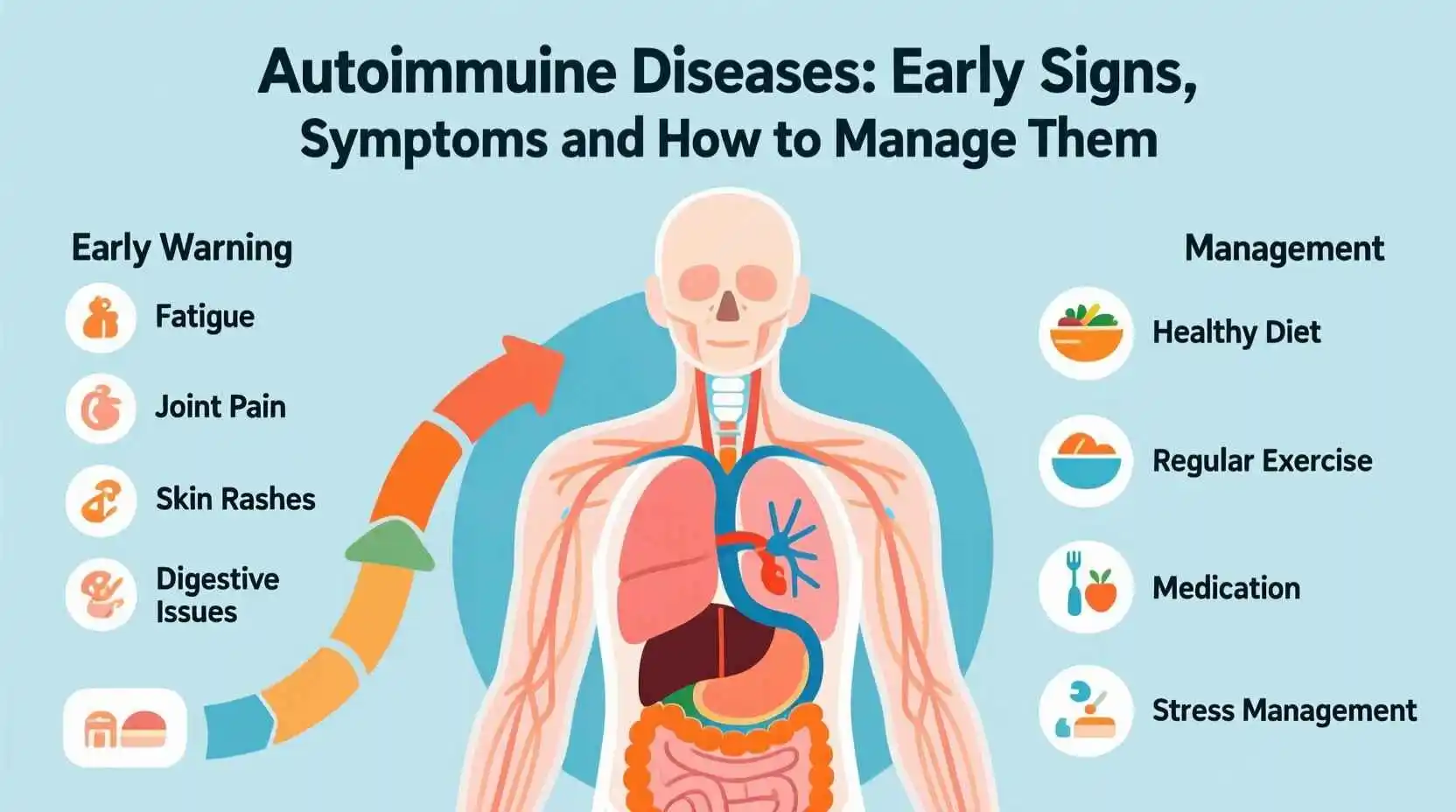
The sooner we identify early signs of autoimmune disorders—persistent fatigue, unexplained joint pain, skin changes, or digestive upset—the more options we have to intervene before irreversible damage sets in. A collaborative approach—patients, physicians, nutritionists, and mental‑health professionals—creates a personalized care map that can reduce reliance on high‑dose steroids and improve long‑term outcomes.
The Future of Autoimmune Disease Research
Autoimmune diseases affect over 80 million people in the U.S. alone, encompassing more than 80 distinct conditions—from lupus and multiple sclerosis to type 1 diabetes and rheumatoid arthritis. For decades, treatment has relied on broad immunosuppressive drugs that manage symptoms but often come with severe side effects. However, a new era of autoimmune research is emerging, driven by cutting-edge science and a deeper understanding of immune biology. Below are key advances poised to revolutionize how we prevent, diagnose, and treat autoimmune disorders.
**1. Precision Genomics and Gene Editing**
Recent breakthroughs in precision genomics are revealing the specific genetic variants that predispose individuals to autoimmune diseases. By analyzing large genomic datasets, researchers have identified single nucleotide polymorphisms (SNPs) and gene networks linked to immune dysregulation. This knowledge is paving the way for **CRISPR-based gene therapies** that can correct faulty immune signaling at the DNA level. For example, scientists are exploring ways to edit genes in T cells to prevent them from attacking healthy tissue or to enhance the function of regulatory immune cells that maintain self-tolerance. While still in early clinical development, these approaches hold the promise of one-time, curative treatments for certain autoimmune conditions.
**2. Microbiome-Targeted Therapies**
The gut microbiome is now recognized as a central player in immune system education and regulation. Imbalances in gut bacteria—known as dysbiosis—are strongly associated with autoimmune diseases. This has led to innovative **microbiome-targeted interventions**, such as fecal microbiota transplantation (FMT) and engineered probiotic cocktails. FMT, which transfers healthy donor microbiota into a patient’s gut, has shown promise in early trials for conditions like ulcerative colitis. Meanwhile, next-generation probiotics are being designed to produce anti-inflammatory molecules or reinforce the gut barrier, reducing systemic immune activation. These therapies aim to restore immune balance from within, offering a natural and potentially long-lasting solution.
**3. Nanomedicine for Targeted Drug Delivery**
Traditional autoimmune treatments often flood the body with immunosuppressants, leading to increased infection risk and organ toxicity. **Nanomedicine** is changing this by enabling precise delivery of drugs directly to inflamed tissues or overactive immune cells. Engineered nanoparticles can carry anti-inflammatory agents, siRNA, or immune-modulating proteins straight to disease sites—such as arthritic joints or the central nervous system in multiple sclerosis—while sparing healthy tissues. This targeted approach enhances treatment efficacy, reduces side effects, and improves patient compliance. Ongoing research is refining nanoparticle design for better stability, targeting accuracy, and controlled release.
**4. Integrating Genetics, Environment, and Immunity**
The future of autoimmune research lies in understanding the complex interplay between **genetic susceptibility, environmental triggers, and immune responses**. Factors like viral infections, stress, diet, and pollution can interact with genetic risk to initiate disease. By combining genomics, epigenetics, metabolomics, and AI-driven data analysis, scientists are building predictive models to identify at-risk individuals before symptoms appear. This opens the door to **early intervention and true prevention strategies**, such as personalized lifestyle modifications or preemptive immunomodulation.
Conclusion: A Path Toward Prevention and Cure
Together, these advances signal a shift from reactive treatment to proactive, personalized medicine. With continued investment and collaboration, the next generation of autoimmune therapies may not only control disease—but stop it before it starts.
“Living with an autoimmune disease is a marathon, not a sprint. Knowledge, vigilance, and a balanced toolbox of natural and medical strategies keep us moving forward.”
— Dr. Luis Hernández, MD, Chief of Rheumatology, Cleveland Clinic
Let’s stay informed, stay proactive, and support each other on this journey toward healthier, more resilient lives.
(All medical information is for educational purposes only and does not replace professional medical advice. Please consult your healthcare provider before making any changes to your treatment plan.)
Frequently Asked Questions (FAQs)
| Question | Quick Answer |
| What are the early signs of autoimmune disorders? | Persistent fatigue, subtle joint aches, occasional rashes, and unexplained digestive upset often precede a formal diagnosis. |
| Can autoimmune disease be cured? | Most are chronic, but many can be placed into long‑term remission with treatment. |
| Is there a link between autoimmunity and weight loss? | Yes—unexplained weight loss autoimmune can result from hyperthyroidism, inflammatory bowel disease, or systemic inflammation. |
| Why do women get autoimmune diseases more often? | Hormonal influences (especially estrogen) and genetic factors on the X chromosome increase susceptibility. |
| Does stress really worsen my symptoms? | Chronic stress elevates cortisol and can dysregulate immune tolerance, aggravating inflammation symptoms. |
| Are natural supplements safe? | Some (vitamin D, omega‑3) are beneficial, but others may interact with immunosuppressants; always discuss with your doctor. |
| What’s the difference between a flare and a relapse? | A flare is an acute worsening of symptoms, often reversible with medication; a relapse implies a return of disease after a period of remission. |
| How often should I see my specialist? | Typically every 3‑6 months during active disease, or annually when stable. |
Diet & Nutrition
- Can diet help prevent autoimmune diseases?
Yes, a balanced diet rich in anti-inflammatory foods (like leafy greens, berries, and fatty fish) supports immune function. Avoiding processed foods, refined sugars, and excessive gluten may reduce inflammation, lowering autoimmune risk.
2. Are probiotics beneficial for autoimmune prevention?
Probiotics support gut health, which is linked to immune regulation. Fermented foods (e.g., yogurt, kimchi, kefir) and high-fiber foods help maintain a healthy microbiome, potentially reducing autoimmune triggers.
3. Should I avoid gluten to prevent autoimmune disorders?
While not everyone needs to avoid gluten, those with sensitivities or a family history of celiac disease may benefit. Gluten can trigger inflammation in susceptible individuals, increasing autoimmune risks.
4. What role does vitamin D play in autoimmune prevention?
Vitamin D regulates immune responses. Low levels are linked to higher autoimmune risks. Sun exposure, fatty fish, and supplements (if deficient) help maintain optimal levels.
5. Are omega-3 fatty acids effective in reducing inflammation?
Yes, omega-3s (found in salmon, flaxseeds, walnuts) have strong anti-inflammatory effects. Regular intake may help lower the risk of autoimmune conditions like rheumatoid arthritis.
Lifestyle & Habits
- How does stress impact autoimmune diseases?
Chronic stress weakens immune regulation, increasing inflammation. Practices like meditation, yoga, and deep breathing can help manage stress and reduce autoimmune triggers.
- Does exercise help prevent autoimmune disorders?
Moderate exercise supports immune function by reducing inflammation and improving circulation. However, excessive intense workouts may stress the immune system—balance is key.
- Can smoking increase autoimmune risks?
Absolutely. Smoking triggers inflammation and is linked to diseases like lupus and rheumatoid arthritis. Quitting smoking significantly lowers autoimmune risks.
- How important is sleep for immune health?
Poor sleep disrupts immune regulation, increasing inflammation. Aim for 7–9 hours of quality sleep per night to support immune balance.
- Is alcohol consumption linked to autoimmune diseases?
Excessive alcohol can damage the gut barrier and trigger inflammation. Moderate or minimal intake is advisable to lower autoimmune risks.
Natural Remedies & Supplements
- Can turmeric help prevent autoimmune diseases?
Yes, curcumin (in turmeric) has potent anti-inflammatory effects. Regular consumption (in food or supplements) may help modulate immune responses.
2. Does green tea support immune health?
Green tea contains antioxidants like EGCG, which reduce inflammation and may lower autoimmune risks. Aim for 1–2 cups daily.
3. Are adaptogenic herbs beneficial for autoimmune prevention?
Herbs like ashwagandha and reishi mushroom help manage stress and inflammation, supporting immune balance. Consult a healthcare provider before use.
4. Should I take antioxidants to prevent autoimmune diseases?
Antioxidants (vitamins C, E, selenium) combat oxidative stress, a factor in autoimmunity. A diet rich in colorful fruits and vegetables provides these naturally.
5. Can fasting or intermittent fasting help?
Some studies suggest fasting reduces inflammation and promotes immune cell regeneration. However, consult a professional before trying prolonged fasting.
Gut Health & Environment
- Why is gut health critical for autoimmune prevention?
A healthy gut microbiome prevents “leaky gut,” which can trigger autoimmune responses. Fiber, probiotics, and avoiding antibiotics (when unnecessary) support gut integrity.
2. Do environmental toxins contribute to autoimmunity?
Yes, pollutants, pesticides, and chemicals may trigger immune dysfunction. Reduce exposure by choosing organic foods, using natural cleaners, and filtering water.
3. Is there a link between infections and autoimmune diseases?
Certain infections (e.g., Epstein-Barr virus) may trigger autoimmunity in genetically predisposed individuals. Strengthening immunity through diet and lifestyle helps mitigate risks.
4. Can reducing sugar intake lower autoimmune risks?
Excess sugar fuels inflammation and disrupts gut bacteria. Limiting added sugars supports immune health and reduces autoimmune triggers.
5. How does hydration affect autoimmune prevention?
Proper hydration supports detoxification and reduces inflammation. Aim for at least 8 glasses of water daily, more if active or in hot climates.
Genetic & Preventative Measures
- Can autoimmune diseases be prevented if they run in my family?
While genetics play a role, lifestyle choices (diet, stress management, exercise) can significantly modify risk. Early prevention is key.
- Are regular check-ups important for autoimmune prevention?
Yes, routine blood tests (e.g., vitamin D, thyroid function) can detect early imbalances. Addressing deficiencies early may prevent autoimmune flares.
- Is reducing exposure to heavy metals helpful?
Heavy metals (e.g., mercury, lead) may trigger autoimmunity. Detox strategies like eating cilantro, chlorella, and filtered water can assist in reducing exposure.
Conclusion
Adopting a nutrient-rich diet, stress management, gut health support, and toxin reduction can significantly lower autoimmune risks. Always consult a healthcare provider before making major lifestyle changes.
Medical Disclaimer:
The information provided on this website is for general educational and informational purposes only and is not intended as a substitute for professional medical advice, diagnosis, or treatment. Always seek the advice of your physician or other qualified health provider with any questions you may have regarding a medical condition. Never disregard professional medical advice or delay in seeking it because of something you have read on this website.


