
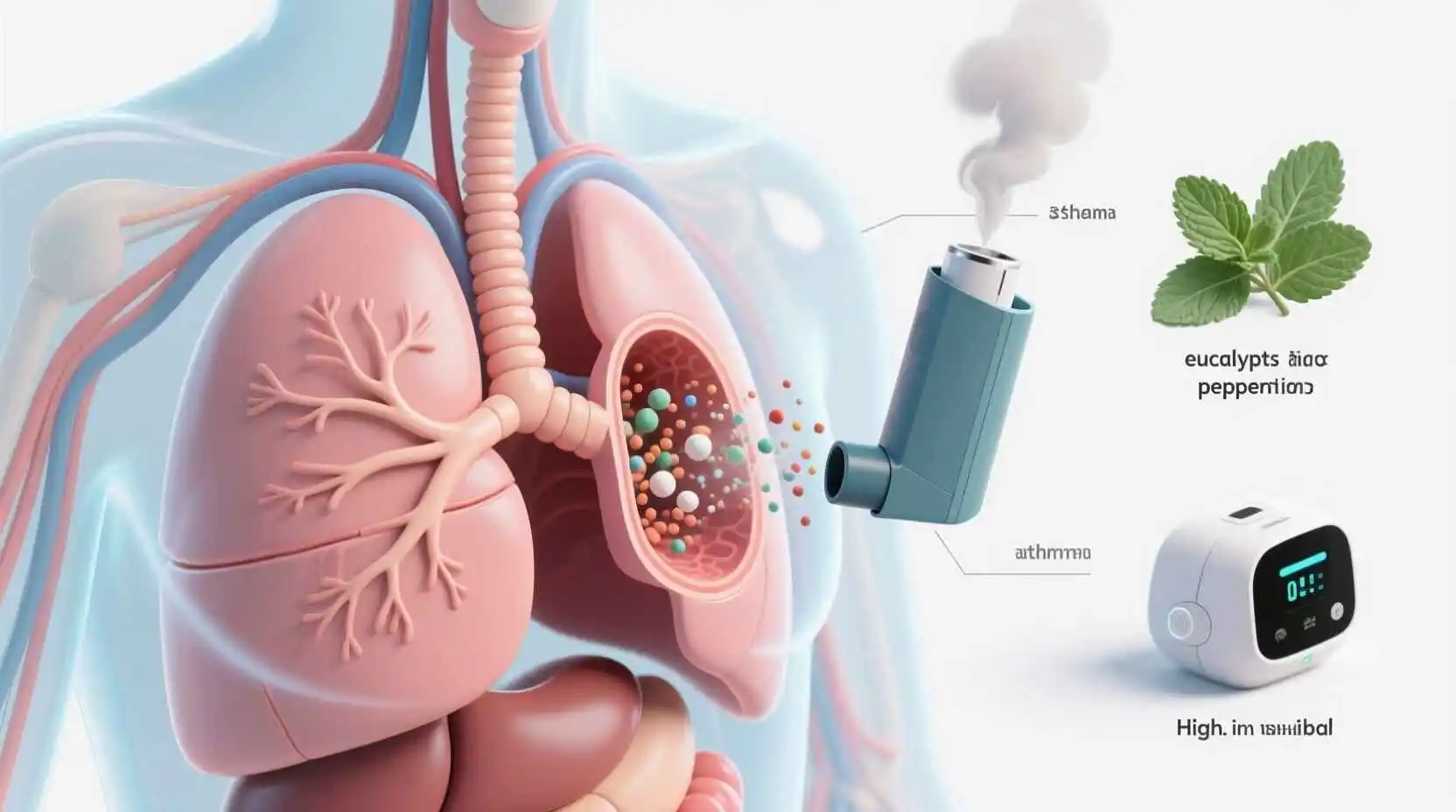
Understanding Asthma and Conventional Treatment
Before exploring natural alternatives, it’s essential to understand what asthma is and how conventional treatments work. Asthma is characterized by chronic inflammation of the airways, which become hyperresponsive to various triggers such as allergens, cold air, exercise, or stress. When exposed to these triggers, the airways narrow, muscles around them tighten, and excess mucus is produced, making breathing difficult.
Conventional asthma treatment typically involves two main types of inhalers:
- Reliever or rescue inhalers (short-acting bronchodilators): These contain medications like albuterol that quickly relax the muscles around the airways, providing immediate relief during an asthma attack.
- Controller or preventive inhalers (long-term control medications): These typically contain corticosteroids that reduce inflammation in the airways, helping to prevent asthma attacks when used regularly.
While these medications are highly effective, some people experience side effects such as throat irritation, hoarseness, oral thrush (with corticosteroid inhalers), or tremors and increased heart rate (with bronchodilators). Additionally, concerns about long-term medication use and a desire for more natural approaches lead many to seek complementary therapies.

It’s crucial to emphasize that natural alternatives should be viewed as complementary to, not replacements for, prescribed asthma treatments. Asthma can be unpredictable and potentially fatal, so any changes to your treatment plan should be discussed with your healthcare provider.
Breathing Techniques and Exercises
One of the most accessible and evidence-based natural approaches to managing asthma involves specific breathing techniques and exercises. These methods can help improve lung function, reduce the severity of asthma symptoms, and decrease the need for rescue medication.
Buteyko Breathing Method
Developed by Ukrainian physician Konstantin Buteyko in the 1950s, the Buteyko method focuses on nasal breathing, breath control, and breath holding to reduce breathing rate and volume. The theory behind this technique is that people with asthma tend to hyperventilate, breathing too much and too rapidly, which can exacerbate symptoms.
The Buteyko method involves several key principles:
- Breathing exclusively through the nose
- Taking slow, shallow breaths
- Practicing breath holds (called the “control pause”)
- Relaxation techniques to reduce stress-related breathing changes
Several studies have examined the effectiveness of the Buteyko method for asthma. A 2008 review published in the journal Thorax found that the technique may reduce symptoms and the need for reliever medications, though it noted that the evidence was not conclusive enough to recommend it as a standard treatment. Another study published in Respiratory Medicine in 2012 found that the Buteyko method improved quality of life and reduced bronchodilator use in patients with asthma.
To practice the Buteyko method:
- Sit upright with your mouth closed and breathe gently through your nose for 2-3 minutes.
- After exhaling normally, pinch your nose and hold your breath.
- Time how long you can hold your breath until you feel the first definite desire to breathe (this is your “control pause”).
- When you need to breathe, release your nose and resume gentle nasal breathing.
- Aim to gradually increase your control pause time over weeks of practice.
Papworth Method
The Papworth method, developed in the 1960s at Papworth Hospital in the UK, combines breathing and relaxation techniques specifically designed for people with asthma. This method emphasizes diaphragmatic breathing (belly breathing) and encourages nose breathing, while also teaching individuals to adapt their breathing patterns to different activities and levels of exertion.
A randomized controlled trial published in Thorax in 2007 found that the Papworth method was effective in reducing respiratory symptoms and improving quality of life in patients with asthma, though it did not significantly improve objective measures of lung function.
Key components of the Papworth method include:
- Learning to breathe using the diaphragm rather than shallow chest breathing
- Practicing relaxed, controlled breathing
- Developing breathing patterns appropriate for different activities
- Incorporating relaxation techniques to reduce stress-related breathing changes
Diaphragmatic Breathing
Also known as belly breathing or deep breathing, diaphragmatic breathing involves breathing deeply into the lungs by engaging the diaphragm, the dome-shaped muscle at the base of the lungs. This technique can help strengthen the diaphragm, decrease the work of breathing, and improve overall lung function.
To practice diaphragmatic breathing:
- Lie on your back with your knees slightly bent.
- Place one hand on your upper chest and the other on your belly, just below your rib cage.
- Breathe in slowly through your nose, allowing the air to fill your abdomen (your belly should rise, while your chest remains relatively still).
- Exhale slowly through pursed lips, feeling your belly fall.
- Repeat for 5-10 minutes daily.
A 2014 study published in the Journal of Physical Therapy Science found that diaphragmatic breathing improved pulmonary function and reduced asthma symptoms in patients with moderate asthma.
Pursed-Lip Breathing
Pursed-lip breathing is a simple technique that can help keep airways open longer, making breathing more effective and reducing the work of breathing. This method is particularly useful during asthma attacks or when experiencing shortness of breath.
To practice pursed-lip breathing:
- Inhale slowly through your nose for 2 counts.
- Purse your lips as if you’re about to whistle.
- Exhale slowly and gently through pursed lips for 4-6 counts.
- Repeat as needed, especially during periods of breathlessness.
While there is limited specific research on pursed-lip breathing for asthma, it is widely recommended by respiratory therapists and has been shown to improve breathing efficiency in other respiratory conditions like COPD.
Yoga and Pranayama
Yoga, an ancient practice that combines physical postures, breathing exercises, and meditation, has been studied as a complementary therapy for asthma. Pranayama, the yogic practice of breath control, includes various breathing techniques that may benefit people with asthma.
A 2012 meta-analysis published in the Journal of Asthma analyzed 14 randomized controlled trials and found that yoga consistently showed positive effects on both pulmonary function and quality of life in patients with asthma. However, the authors noted that the evidence was not strong enough to recommend yoga as a routine treatment for asthma.
Specific pranayama techniques that may be beneficial for asthma include:
- Nadi Shodhana (alternate nostril breathing): This technique involves breathing alternately through each nostril and is believed to balance the nervous system and improve respiratory function.
- Kapalabhati (skull shining breath): This involves short, powerful exhales and passive inhales, helping to clear the respiratory passages.
- Bhramari (bee breath): This technique involves making a humming sound while exhaling, which can help calm the mind and reduce stress-related breathing issues.
It’s important to learn these techniques from a qualified instructor, especially when first starting, as improper practice could potentially worsen symptoms.
Dietary Approaches and Nutritional Supplements
Diet plays a significant role in overall health, including respiratory health. Certain foods and nutrients may help reduce inflammation, support immune function, and potentially alleviate asthma symptoms. While no specific diet can cure asthma, making strategic dietary changes and incorporating certain supplements may complement conventional asthma treatment.
Anti-Inflammatory Diet
Since asthma is an inflammatory condition, adopting an anti-inflammatory diet may help reduce symptoms and decrease the frequency of attacks. An anti-inflammatory diet focuses on whole, unprocessed foods that are rich in antioxidants and anti-inflammatory compounds.
Key components of an anti-inflammatory diet for asthma include:
- Fruits and vegetables: Rich in antioxidants like vitamin C and beta-carotene, which may help reduce inflammation in the airways. Berries, leafy greens, citrus fruits, and bell peppers are particularly beneficial.
- Omega-3 fatty acids: Found in fatty fish (salmon, mackerel, sardines), flaxseeds, chia seeds, and walnuts, omega-3s have potent anti-inflammatory effects that may benefit people with asthma.
- Whole grains: Brown rice, quinoa, oats, and whole wheat provide fiber and nutrients that support overall health.
- Nuts and seeds: Almonds, sunflower seeds, and pumpkin seeds are rich in vitamin E, an antioxidant that may help improve lung function.
- Herbs and spices: Turmeric, ginger, garlic, and cinnamon have anti-inflammatory properties that may benefit respiratory health.
A 2017 study published in the European Respiratory Journal found that a diet high in fruits, vegetables, and whole grains was associated with better asthma control and fewer symptoms. Conversely, a diet high in processed foods, sugar, and unhealthy fats was linked to worse asthma outcomes.
Foods to Avoid
Just as certain foods may help asthma, others may trigger or worsen symptoms in some individuals. Common food triggers for asthma include:
- Sulfites: These preservatives are found in wine, dried fruits, pickled foods, and some processed foods. Sulfites can trigger asthma symptoms in sensitive individuals.
- Food allergens: For people with food allergies, exposure to allergenic foods can trigger asthma symptoms. Common allergenic foods include milk, eggs, peanuts, tree nuts, soy, wheat, fish, and shellfish.
- Processed foods: High in additives, preservatives, and unhealthy fats, processed foods may promote inflammation and worsen asthma symptoms.
- Salt: High sodium intake may worsen asthma symptoms in some people, possibly by causing fluid retention and airway narrowing.
- Dairy products: While not a trigger for everyone, some people with asthma find that dairy products increase mucus production and worsen symptoms.
Keeping a food diary can help identify personal food triggers. If you suspect certain foods are worsening your asthma, consult with a healthcare provider or registered dietitian before making significant dietary changes.
Vitamin D
Vitamin D has received considerable attention for its potential role in asthma management. This fat-soluble vitamin plays a crucial role in immune function and may help reduce inflammation in the airways.
Several studies have found associations between low vitamin D levels and increased asthma severity, frequency of exacerbations, and reduced lung function. A 2016 meta-analysis published in the Cochrane Database of Systematic Reviews examined seven randomized controlled trials and found that vitamin D supplementation reduced the risk of asthma exacerbations requiring systemic corticosteroids.
The optimal dose of vitamin D for asthma management is not yet established, but many experts recommend maintaining blood levels of 30-50 ng/mL (75-125 nmol/L). This often requires supplementation, especially in regions with limited sun exposure or during winter months.
Before starting vitamin D supplementation, it’s advisable to have your vitamin D levels checked by a healthcare provider, as excessive vitamin D can be harmful.
Magnesium
Magnesium is an essential mineral involved in over 300 biochemical reactions in the body, including muscle relaxation and bronchodilation. Intravenous magnesium is sometimes used in emergency settings for severe asthma attacks due to its ability to relax the airways.
Oral magnesium supplementation has also been studied for asthma management. A 2019 meta-analysis published in the journal Nutrients found that magnesium supplementation improved lung function and reduced asthma symptoms in both adults and children with asthma.
Good dietary sources of magnesium include:
- Leafy green vegetables (spinach, Swiss chard)
- Nuts and seeds (almonds, pumpkin seeds)
- Legumes (black beans, lentils)
- Whole grains (brown rice, quinoa)
- Dark chocolate (70% cocoa or higher)
Supplemental magnesium is available in various forms, including magnesium citrate, glycinate, and oxide. The appropriate dose depends on individual needs and should be determined in consultation with a healthcare provider.
Vitamin C
Vitamin C, also known as ascorbic acid, is a powerful antioxidant that may help protect the lungs from oxidative stress and inflammation. Some studies have suggested that vitamin C may have bronchodilatory effects and could reduce the risk of asthma attacks.
A 2014 meta-analysis published in the Journal of Allergy and Clinical Immunology found that vitamin C supplementation may have a protective effect against exercise-induced bronchoconstriction, a common trigger for asthma symptoms during physical activity.
Good dietary sources of vitamin C include:
- Citrus fruits (oranges, grapefruits, lemons)
- Berries (strawberries, blueberries, raspberries)
- Kiwi fruit
- Bell peppers (especially red and yellow)
- Broccoli
- Tomatoes
While vitamin C is generally safe, high doses can cause digestive upset. The recommended daily allowance for adults is 75-90 mg, but higher doses (up to 2,000 mg per day) have been used in studies on asthma.
Omega-3 Fatty Acids
Omega-3 fatty acids, particularly EPA (eicosapentaenoic acid) and DHA (docosahexaenoic acid), have potent anti-inflammatory effects that may benefit people with asthma. These essential fats help balance the body’s inflammatory response and may reduce airway inflammation.
A 2015 meta-analysis published in the Journal of the American Dietetic Association found that omega-3 supplementation was associated with improved lung function and reduced medication use in patients with asthma.
The best dietary sources of omega-3s are fatty fish like salmon, mackerel, sardines, and herring. Plant-based sources include flaxseeds, chia seeds, walnuts, and hemp seeds. For those who don’t consume fish regularly, fish oil supplements are available, but it’s important to choose high-quality products that have been tested for purity and potency.
Probiotics
The gut-lung axis is an emerging area of research that explores the connection between gut health and respiratory conditions like asthma. Probiotics, beneficial bacteria that support gut health, may help modulate the immune system and reduce inflammation throughout the body, including in the airways.
Several studies have examined the effects of probiotics on asthma outcomes. A 2019 meta-analysis published in the journal Allergy found that probiotic supplementation was associated with improved lung function and reduced inflammatory markers in patients with asthma, though the authors noted that more research is needed to determine specific strains and dosages.
Good dietary sources of probiotics include:
- Yogurt with live and active cultures
- Kefir
- Sauerkraut
- Kimchi
- Miso
- Kombucha
Probiotic supplements are also available in various forms, including capsules, powders, and liquids. When choosing a probiotic supplement, look for products that contain specific strains studied for respiratory health, such as Lactobacillus and Bifidobacterium species.
Herbal and Botanical Remedies
Herbal medicine has been used for centuries to treat respiratory conditions, including asthma. Many traditional systems of medicine, such as Traditional Chinese Medicine, Ayurveda, and Western herbalism, incorporate botanical remedies to support respiratory health. While scientific evidence for many herbal treatments is limited, some have shown promise in preliminary studies.
Boswellia (Boswellia serrata)
Boswellia, also known as Indian frankincense, is an herbal extract derived from the resin of the Boswellia serrata tree. It has been used in traditional Ayurvedic medicine for thousands of years to treat inflammatory conditions, including asthma.
The active compounds in boswellia, called boswellic acids, have demonstrated anti-inflammatory effects by inhibiting the production of leukotrienes, inflammatory molecules that play a key role in asthma.
A 2015 randomized, double-blind, placebo-controlled study published in the European Review for Medical and Pharmacological Sciences found that boswellia extract significantly improved lung function and reduced asthma symptoms compared to placebo. The study participants took 300 mg of boswellia extract three times daily for six weeks.
Boswellia supplements are available in capsule, tablet, or extract form. The typical dosage ranges from 300-500 mg taken two to three times daily. While generally well-tolerated, boswellia may cause digestive upset in some individuals and may interact with certain medications, so it’s important to consult with a healthcare provider before use.
Turmeric (Curcuma longa)
Turmeric is a bright yellow spice commonly used in Indian and Southeast Asian cuisine. Its active compound, curcumin, has potent anti-inflammatory and antioxidant properties that may benefit people with asthma.
Curcumin works by inhibiting multiple inflammatory pathways in the body, including the production of cytokines and other inflammatory mediators involved in asthma. It also acts as an antioxidant, protecting cells from oxidative stress that can worsen asthma symptoms.
A 2014 study published in the Journal of Clinical and Diagnostic Research found that curcumin supplementation improved airway obstruction and reduced the frequency of asthma attacks in patients with persistent bronchial asthma. The study participants took 500 mg of curcumin twice daily for 30 days.
Turmeric can be consumed as a spice in cooking, but the concentration of curcumin in turmeric is relatively low (about 2-5% by weight). For therapeutic effects, curcumin supplements are often recommended. To enhance absorption, many supplements include piperine (from black pepper) or are formulated as phytosomes or nanoparticles.
Typical dosages of curcumin supplements range from 500-2,000 mg per day, divided into two or three doses. Curcumin is generally safe but may cause digestive upset in some individuals and may interact with certain medications, particularly blood thinners.
Ginger (Zingiber officinale)
Ginger is a flowering plant whose rhizome (underground stem) is widely used as a spice and traditional medicine. It has been studied for its potential benefits in asthma due to its anti-inflammatory and bronchodilatory effects.
Compounds in ginger, such as gingerols and shogaols, have been shown to relax airway smooth muscle and reduce inflammation. A 2013 study published in the American Journal of Respiratory Cell and Molecular Biology found that ginger components enhanced the bronchodilatory effects of beta-agonist drugs used in asthma inhalers.
While more research is needed to determine the optimal dosage and form of ginger for asthma management, incorporating fresh ginger into your diet or drinking ginger tea may provide some benefits. Ginger supplements are also available in various forms, including capsules, extracts, and tinctures.
To make ginger tea:
- Slice a 1-2 inch piece of fresh ginger root.
- Steep the slices in hot water for 10-15 minutes.
- Strain and enjoy, adding honey or lemon if desired.
Ginger is generally safe but may cause mild side effects like heartburn or digestive upset in some individuals. It may also interact with blood thinners, so consult with a healthcare provider before taking ginger supplements if you’re on medication.
Butterbur (Petasites hybridus)
Butterbur is a shrub native to Europe, Asia, and North America that has been used traditionally to treat various conditions, including respiratory disorders. Extracts from butterbur root have shown anti-inflammatory and antispasmodic effects that may benefit people with asthma.
A 2004 randomized, double-blind, placebo-controlled study published in the journal Allergy found that butterbur extract was as effective as the antihistamine cetirizine in reducing allergy symptoms, which can trigger asthma in some individuals. Another study published in the journal Chest in 2002 found that butterbur extract reduced the frequency and intensity of asthma attacks.
It’s important to note that butterbur contains pyrrolizidine alkaloids (PAs), compounds that can be toxic to the liver and may cause cancer. When choosing butterbur supplements, look for products labeled “PA-free,” which have been processed to remove these harmful compounds.
The typical dosage of PA-free butterbur extract is 50-100 mg taken twice daily. As with any supplement, consult with a healthcare provider before use, especially if you have liver disease or are taking other medications.
Licorice Root (Glycyrrhiza glabra)
Licorice root has been used in traditional medicine systems around the world for thousands of years, including for respiratory conditions. It contains compounds with anti-inflammatory, expectorant, and demulcent (soothing) properties that may benefit people with asthma.
The active compounds in licorice root, particularly glycyrrhizin, have been shown to reduce inflammation and mucus production in the airways. A 2014 study published in the journal Pharmaceutical Biology found that licorice extract reduced airway inflammation in a mouse model of allergic asthma.
Licorice root can be consumed as a tea, tincture, or supplement. To make licorice tea:
- Steep 1-2 teaspoons of dried licorice root in hot water for 10-15 minutes.
- Strain and enjoy, adding honey if desired.
However, it’s important to use licorice with caution. Long-term use or high doses of licorice containing glycyrrhizin can cause side effects such as high blood pressure, low potassium levels, and fluid retention. Deglycyrrhizinated licorice (DGL) supplements have had the glycyrrhizin removed and may be a safer option for regular use.
As with any herbal remedy, consult with a healthcare provider before using licorice root, especially if you have high blood pressure, heart disease, kidney disease, or are taking medications.
Eucalyptus
Eucalyptus is a genus of trees native to Australia, and its leaves contain a compound called eucalyptol (1,8-cineole) that has been studied for its respiratory benefits. Eucalyptol has expectorant, anti-inflammatory, and antimicrobial properties that may help alleviate asthma symptoms.
A 2013 randomized, double-blind, placebo-controlled study published in the journal Respiratory Research found that cineole (eucalyptol) supplementation improved lung function and reduced exacerbations in patients with chronic obstructive pulmonary disease (COPD), a condition that shares some features with asthma.
Eucalyptus can be used in several ways for respiratory health:
- Steam inhalation: Add a few drops of eucalyptus essential oil to hot water and inhale the steam (be careful not to burn yourself).
- Chest rub: Dilute eucalyptus essential oil in a carrier oil (like coconut or almond oil) and apply to the chest to help open airways.
- Tea: Eucalyptus leaf tea is available, though it’s less commonly used than the essential oil.
It’s important to note that eucalyptus essential oil should never be ingested, as it can be toxic. When using essential oils topically, always dilute them properly and perform a patch test first to check for allergic reactions. Some people may be sensitive to eucalyptus, so discontinue use if you experience any adverse effects.
Environmental and Lifestyle Modifications
Beyond breathing techniques, dietary changes, and herbal remedies, making certain environmental and lifestyle modifications can significantly impact asthma management. These changes focus on reducing exposure to triggers, improving overall health, and creating a supportive environment for respiratory health.
Reducing Exposure to Common Asthma Triggers
Identifying and avoiding asthma triggers is a crucial aspect of asthma management. Common triggers include allergens, irritants, and environmental factors that can provoke asthma symptoms or attacks.
Allergens
- Dust mites: These microscopic creatures thrive in bedding, upholstered furniture, and carpets. To reduce exposure:
- Use allergen-impermeable covers for mattresses and pillows
- Wash bedding in hot water (130°F or 54°C) weekly
- Remove carpeting from bedrooms if possible
- Maintain indoor humidity below 50% with a dehumidifier
- Pet dander: Proteins in pet skin flakes, saliva, and urine can trigger asthma in sensitive individuals. If you have pets and are allergic:
- Keep pets out of bedrooms
- Use HEPA air purifiers
- Bathe pets regularly
- Consider allergen immunotherapy (allergy shots)
- Mold: Mold spores can trigger asthma symptoms. To reduce mold growth:
- Fix leaky pipes and other sources of moisture
- Use exhaust fans in bathrooms and kitchens
- Clean moldy surfaces with appropriate cleaners
- Consider using a dehumidifier in damp areas
- Pollen: Seasonal pollen from trees, grasses, and weeds can worsen asthma. To reduce exposure:
- Keep windows closed during high pollen seasons
- Use air conditioning with clean filters
- Shower and change clothes after spending time outdoors
- Monitor pollen counts and limit outdoor activities on high-pollen days
Irritants
- Tobacco smoke: Both active smoking and exposure to secondhand smoke can significantly worsen asthma. If you smoke, quitting is one of the most important steps you can take for your respiratory health. Avoid environments where smoking occurs.
- Air pollution: Outdoor air pollution from vehicle exhaust, industrial emissions, and ozone can trigger asthma symptoms. On days with poor air quality:
- Limit outdoor activities, especially during peak pollution times
- Keep windows closed and use air conditioning
- Consider using an air purifier with a HEPA filter
- Chemical irritants: Household cleaners, perfumes, air fresheners, and other chemical products can trigger asthma in sensitive individuals. To reduce exposure:
- Choose fragrance-free and natural cleaning products
- Ensure good ventilation when using cleaning products
- Avoid aerosol sprays and strong perfumes
- Consider natural alternatives like vinegar and baking soda for cleaning
Indoor Air Quality
Improving indoor air quality can significantly benefit people with asthma, as most people spend the majority of their time indoors. Several strategies can help create a cleaner indoor environment:
- Air purifiers: High-efficiency particulate air (HEPA) purifiers can remove allergens, dust, and other airborne particles that trigger asthma symptoms. Place them in bedrooms and other frequently used rooms for maximum benefit.
- Ventilation: Proper ventilation helps reduce indoor air pollutants. Open windows when outdoor air quality is good, use exhaust fans in bathrooms and kitchens, and consider installing a mechanical ventilation system if needed.
- Humidity control: Maintaining indoor humidity between 30-50% can help reduce dust mites and mold growth. Use dehumidifiers in damp areas and humidifiers in dry conditions, but clean them regularly to prevent mold and bacteria growth.
- Houseplants: Some houseplants may help improve indoor air quality by removing certain pollutants. However, overwatering plants can increase humidity and mold growth, so choose low-maintenance varieties and avoid overwatering.
Weight Management
Maintaining a healthy weight is important for asthma management. Excess weight, particularly abdominal obesity, can worsen asthma symptoms by:
- Increasing inflammation throughout the body
- Putting pressure on the diaphragm and lungs
- Reducing lung function and airway diameter
- Increasing the risk of gastroesophageal reflux (GERD), which can trigger asthma symptoms
A 2015 systematic review published in the journal Chest found that weight loss in overweight and obese patients with asthma was associated with improved asthma control, lung function, and quality of life, as well as reduced medication requirements.
If you’re overweight or obese and have asthma, even modest weight loss (5-10% of body weight) can lead to significant improvements in asthma symptoms. Work with your healthcare provider or a registered dietitian to develop a safe and effective weight loss plan that includes a balanced diet and regular physical activity.
Regular Physical Activity
While exercise can be a trigger for some people with asthma (a condition called exercise-induced bronchoconstriction), regular physical activity is important for overall health and can actually improve asthma control when done properly. Benefits of regular exercise for people with asthma include:
- Improved lung function and respiratory muscle strength
- Enhanced cardiovascular fitness
- Weight management
- Reduced stress and improved mood
- Better immune function
To exercise safely with asthma:
- Always use your reliever inhaler 15-30 minutes before exercise if recommended by your healthcare provider
- Choose activities that are less likely to trigger symptoms, such as swimming, walking, or yoga
- Warm up gradually and cool down properly
- Exercise in a warm, humid environment when possible
- Avoid exercising outdoors when air quality is poor or pollen counts are high
- Carry your reliever inhaler with you during exercise
If you experience asthma symptoms during exercise, stop and use your reliever inhaler as prescribed. If exercise-induced asthma is a persistent problem, consult with your healthcare provider, as adjustments to your medication or exercise routine may be needed.
Stress Management
Stress and strong emotions can trigger or worsen asthma symptoms in some people. The relationship between stress and asthma is complex, involving both physiological and psychological factors. Stress can lead to:
- Increased inflammation in the body
- Muscle tension, including in the airways
- Changes in breathing patterns
- Weakened immune function
- Poor adherence to asthma management plans
Incorporating stress management techniques into your daily routine can help reduce the impact of stress on asthma:
- Mindfulness meditation: Regular meditation practice can help reduce stress and improve asthma control. A 2019 study published in the journal Behavioral Medicine found that mindfulness-based stress reduction improved quality of life and lung function in patients with asthma.
- Progressive muscle relaxation: This technique involves systematically tensing and relaxing different muscle groups to reduce physical tension and stress. It can be particularly helpful for relieving chest tightness associated with asthma.
- Biofeedback: Biofeedback uses electronic monitoring to help you gain awareness and control over certain bodily functions, including breathing patterns. Some studies have found biofeedback helpful for reducing asthma symptoms.
- Counseling or therapy: Working with a mental health professional can help you develop effective coping strategies for stress and address any anxiety or depression that may be associated with asthma.
- Regular relaxation practice: Set aside time each day for relaxation activities you enjoy, such as reading, listening to music, spending time in nature, or engaging in hobbies.
Sleep Hygiene
Quality sleep is essential for overall health, including respiratory health. Poor sleep can worsen asthma symptoms, and asthma symptoms can disrupt sleep, creating a vicious cycle. Improving sleep hygiene can help break this cycle:
- Maintain a consistent sleep schedule: Go to bed and wake up at the same time every day, even on weekends.
- Create a sleep-friendly environment: Keep your bedroom cool, dark, and quiet. Use blackout curtains, earplugs, or white noise machines if needed.
- Address allergens in the bedroom: Use allergen-impermeable covers for mattresses and pillows, wash bedding regularly in hot water, and consider removing carpeting from the bedroom.
- Elevate your head: Sleeping with your head elevated can help reduce nighttime asthma symptoms and reflux that may trigger symptoms.
- Avoid large meals and caffeine before bedtime: These can disrupt sleep and potentially worsen asthma symptoms.
- Practice relaxation techniques before bed: Gentle stretching, deep breathing, or meditation can help prepare your body and mind for sleep.
If you continue to experience sleep disturbances despite good sleep hygiene, consult with your healthcare provider, as this may indicate that your asthma is not well-controlled or that other sleep disorders may be present.
Integrating Natural Approaches with Conventional Treatment
While natural alternatives can play a valuable role in asthma management, it’s crucial to integrate them safely and effectively with conventional treatment. Asthma is a potentially serious condition that requires proper medical management, and natural approaches should complement, not replace, prescribed medications.
Communicating with Your Healthcare Provider
Open communication with your healthcare provider is essential when considering natural alternatives for asthma. Before starting any new treatment or therapy, discuss:
- Your interest in natural approaches and why you’re considering them
- Any specific natural remedies you’re interested in trying
- Your current asthma symptoms and control level
- All medications and supplements you’re currently taking
- Any other health conditions you have
Your healthcare provider can help you:
- Assess the safety and potential effectiveness of natural approaches
- Identify any potential interactions with your current medications
- Adjust your conventional treatment plan if needed
- Monitor your asthma control as you incorporate new approaches
- Refer you to specialists if needed (such as an integrative medicine physician or registered dietitian)
Monitoring Your Asthma Control
When incorporating natural approaches into your asthma management plan, it’s important to monitor your asthma control closely. This can help you and your healthcare provider assess whether the natural approaches are beneficial and whether any adjustments to your treatment plan are needed.
Tools for monitoring asthma control include:
- Asthma Action Plan: Work with your healthcare provider to create a written asthma action plan that outlines your daily medications, how to recognize worsening symptoms, and what steps to take in different situations. Update this plan as you incorporate new approaches.
- Peak Flow Monitoring: A peak flow meter is a simple device that measures how well air moves out of your lungs. Regular peak flow monitoring can help you track changes in your lung function and identify early signs of worsening asthma.
- Symptom Tracking: Keep a daily record of your asthma symptoms, including wheezing, coughing, shortness of breath, and chest tightness. Note any triggers you encounter and how you respond to them.
- Medication Use: Track how often you use your reliever inhaler. An increase in reliever use may indicate that your asthma is not well-controlled.
- Quality of Life Assessments: Consider how asthma affects your daily activities, sleep, and overall well-being. Improvements in these areas can indicate that your management plan is working effectively.
Knowing When to Seek Immediate Medical Attention
While natural approaches can be beneficial, it’s crucial to recognize when asthma symptoms require immediate medical attention. Natural remedies are not a substitute for emergency care, and delaying proper treatment during a severe asthma attack can be life-threatening.
Seek immediate medical attention if you experience:
- Severe shortness of breath or wheezing, especially at rest
- Inability to speak in full sentences
- No relief from your reliever inhaler
- Peak flow readings in the red zone (typically below 50% of your personal best)
- Bluish tint to lips or fingernails
- Severe chest pain or pressure
- Confusion or extreme fatigue
Always have your reliever inhaler readily available and ensure that family members or close contacts know how to assist you during an asthma attack.
Potential Interactions and Precautions
Natural remedies can interact with conventional asthma medications, potentially affecting their effectiveness or increasing the risk of side effects. Some important considerations include:
- Herbal supplements and medications: Some herbs can interact with asthma medications. For example, licorice root may interact with corticosteroids, and certain herbs may affect the metabolism of medications in the liver.
- Essential oils and asthma: While some essential oils like eucalyptus may help with respiratory symptoms, others can actually trigger asthma attacks in sensitive individuals. Always use essential oils with caution and discontinue use if they worsen your symptoms.
- Dietary changes and medications: Significant dietary changes can affect how your body processes medications. For example, grapefruit and grapefruit juice can interfere with the metabolism of certain drugs.
- High-dose supplements: Taking high doses of certain supplements, such as vitamin D or magnesium, may affect your medication needs or cause side effects. Always follow recommended dosages and consult with your healthcare provider.
- Immune-boosting supplements: Some supplements that claim to boost immune function may theoretically affect immune-mediated conditions like asthma. Discuss any immune-modulating supplements with your healthcare provider.
Gradual Integration of Natural Approaches
When incorporating natural approaches into your asthma management plan, it’s generally best to introduce them gradually and one at a time. This approach allows you to:
- Assess the effectiveness of each intervention
- Identify any potential side effects or interactions
- Determine which approaches work best for you
- Avoid overwhelming yourself with too many changes at once
Start with approaches that have the strongest evidence base and lowest risk, such as breathing techniques or dietary changes. As you become more comfortable with these approaches, you can consider adding other remedies under the guidance of your healthcare provider.
The Importance of Personalization
Asthma is a highly individual condition, and what works for one person may not work for another. The effectiveness of natural approaches can vary based on factors such as:
- Your specific asthma triggers and symptoms
- The severity of your asthma
- Your overall health status
- Your genetic makeup
- Environmental factors
- Lifestyle factors
Working with your healthcare provider to develop a personalized approach that addresses your unique needs and circumstances is essential for optimal asthma management.
Conclusion: A Balanced Approach to Asthma Management
Natural alternatives to asthma inhalers offer a range of options that can complement conventional treatment and potentially improve asthma control. From breathing techniques and dietary changes to herbal remedies and lifestyle modifications, these approaches address asthma from multiple angles, targeting inflammation, immune function, respiratory muscle strength, and environmental triggers.
The evidence supporting natural approaches varies widely, with some techniques like certain breathing exercises having stronger scientific backing than others. However, even approaches with limited evidence may provide benefits for some individuals, particularly when used as part of a comprehensive asthma management plan.
It’s important to emphasize that natural alternatives should not replace prescribed asthma medications without medical supervision. Asthma is a serious condition that requires proper medical treatment, and discontinuing or reducing medication without consulting a healthcare provider can be dangerous. Instead, natural approaches should be viewed as complementary therapies that work alongside conventional treatment to enhance overall asthma control.
The key to successful integration of natural approaches is:
- Open communication with your healthcare provider
- Careful monitoring of your asthma control
- Gradual introduction of new approaches
- Attention to potential interactions and precautions
- Personalization based on your individual needs and circumstances
By taking a balanced approach that combines the best of conventional medicine and natural therapies, many people with asthma can achieve better symptom control, improved quality of life, and potentially reduced reliance on medications. As research in this area continues to evolve, we may gain even more insights into how natural approaches can be optimized for asthma management.
Remember that asthma management is an ongoing process that requires regular evaluation and adjustment. Work closely with your healthcare provider to develop and refine a comprehensive asthma management plan that addresses all aspects of your health and well-being. With the right combination of conventional treatment, natural approaches, and lifestyle modifications, you can take control of your asthma and enjoy a healthier, more active life.
Innovations in Asthma Inhalers: Latest Advances
In recent years, significant innovations have transformed the landscape of asthma inhalers, making them more effective, easier to use, and smarter than ever before. These advances range from improvements in drug formulations and delivery mechanisms to the integration of digital technologies that enable personalized treatment and remote monitoring. This comprehensive guide explores the latest innovations in asthma inhalers, examining how these technological advances are improving asthma management, enhancing patient outcomes, and shaping the future of respiratory care.
The Evolution of Asthma Inhalers: A Brief History
Understanding the current innovations in asthma inhalers requires a brief look back at their evolution. The journey of inhalers began in the mid-20th century and has seen remarkable transformations over the decades.
The first metered-dose inhaler (MDI) was introduced in the 1950s, revolutionizing asthma treatment by allowing patients to deliver medication directly to their lungs. This early device used chlorofluorocarbon (CFC) propellants to deliver a precise dose of medication. However, these early MDIs had significant limitations, including the need for proper coordination between actuation and inhalation, which many patients struggled with.
In the 1970s and 1980s, dry powder inhalers (DPIs) were developed as an alternative to MDIs. DPIs eliminated the need for propellants and coordination issues, as they are breath-actuated. Patients simply inhale through the device to draw the powdered medication into their lungs. However, DPIs require sufficient inspiratory effort, which can be challenging for young children, the elderly, or those experiencing severe asthma attacks.
The late 1990s and early 2000s saw another significant shift with the phasing out of CFC propellants due to environmental concerns. MDIs transitioned to hydrofluoroalkane (HFA) propellants, which are more environmentally friendly but required reformulation of many medications.
Soft mist inhalers (SMIs) emerged in the 2000s as another innovation, delivering medication as a slow-moving soft mist that lasts longer in the air than the spray from MDIs, giving patients more time to inhale the medication.
Throughout this evolution, one persistent challenge remained: ensuring that patients used their inhalers correctly and consistently. Studies consistently showed that a significant percentage of patients—estimates range from 50% to 90%—did not use their inhalers properly, leading to poor medication delivery and suboptimal asthma control. This challenge has been a major driver of recent innovations in inhaler technology.
Smart Inhalers: The Digital Revolution
Perhaps the most significant recent innovation in asthma inhalers has been the integration of digital technology, creating “smart” inhalers that can monitor usage, provide feedback, and enable personalized treatment. These devices combine traditional inhalers with sensors, connectivity, and data analytics to transform asthma management.
How Smart Inhalers Work
Smart inhalers typically consist of a standard inhaler equipped with sensors that can detect when and how the device is used. These sensors can record various metrics, including:
- The date and time of each use
- The number of doses administered
- The technique used (e.g., whether the patient shook the device before use, the strength of inhalation)
- Environmental factors like air quality or temperature (in more advanced models)
This data is then transmitted via Bluetooth to a smartphone app, where it can be analyzed, stored, and shared with healthcare providers. Some smart inhalers also provide real-time feedback to the patient through visual or auditory cues, helping to correct improper technique.
Key Players in the Smart Inhaler Market
Several companies have emerged as leaders in the smart inhaler space:
- Propeller Health: One of the pioneers in this field, Propeller Health offers sensors that can be attached to various inhalers, along with a comprehensive digital platform for tracking and managing asthma. Their system includes a mobile app, web portal for healthcare providers, and analytics tools to identify patterns and triggers.
- Adherium: This New Zealand-based company developed the Hailie® sensor, which attaches to inhalers and records usage data. The Hailie system provides reminders, tracks medication adherence, and generates reports for patients and healthcare providers.
- Teva Pharmaceuticals: Teva’s Digihaler® devices are among the first FDA-approved smart inhalers that incorporate sensors directly into the inhaler rather than as an add-on accessory. The ProAir® Digihaler® and AirDuo® Digihaler® can detect inhalation events and measure inspiratory flow rates.
- Cohero Health: This company offers a complete connected system including a mobile app, a sensor for inhalers, and a portable spirometer for measuring lung function. Their system integrates medication usage data with objective measures of lung function.
Benefits of Smart Inhalers
Smart inhalers offer numerous benefits for both patients and healthcare providers:
Improved Adherence: One of the most significant advantages of smart inhalers is their ability to improve medication adherence. Studies have shown that adherence to asthma controller medications is often poor, with many patients forgetting to take their medication or discontinuing use when symptoms improve. Smart inhalers can send reminders to patients and alert them when they miss a dose, helping to maintain consistent medication use.
A 2018 study published in the Journal of Allergy and Clinical Immunology: In Practice found that the use of a smart inhaler system led to a 58% increase in adherence to controller medications and a 47% reduction in rescue inhaler use among patients with uncontrolled asthma.
Enhanced Technique: Proper inhaler technique is crucial for effective medication delivery, yet many patients struggle with correct usage. Smart inhalers can provide real-time feedback on technique, such as whether the patient shook the device before use (for MDIs) or inhaled with sufficient force (for DPIs). Some devices can even provide corrective guidance through the associated app.
Personalized Treatment: By collecting detailed data on medication usage and symptoms, smart inhalers enable more personalized treatment approaches. Healthcare providers can review usage patterns, identify triggers, and adjust treatment plans based on objective data rather than relying solely on patient recall.
Remote Monitoring: Smart inhalers facilitate remote monitoring of asthma patients, allowing healthcare providers to track symptoms and medication use between office visits. This capability became particularly valuable during the COVID-19 pandemic, enabling continuity of care while reducing in-person contact.
Early Detection of Exacerbations: By analyzing patterns in medication use and symptom reporting, smart inhaler systems can help identify early signs of worsening asthma, allowing for timely intervention before a full-blown exacerbation occurs.
Challenges and Limitations
Despite their promise, smart inhalers face several challenges:
Cost and Accessibility: Smart inhalers are generally more expensive than traditional devices, and not all insurance plans cover them. This cost barrier can limit access for many patients, particularly those in lower socioeconomic groups.
Technology Barriers: Some patients, particularly older adults or those with limited technology experience, may find smart inhalers difficult to use. Concerns about data privacy and security may also deter some patients from adopting these devices.
Integration with Healthcare Systems: For smart inhalers to reach their full potential, the data they collect must be seamlessly integrated into electronic health records (EHRs) and clinical workflows. However, many healthcare systems still lack the infrastructure to effectively incorporate this data into routine care.
Evidence of Long-Term Benefits: While short-term studies have shown improvements in adherence and outcomes, more research is needed to demonstrate the long-term clinical benefits and cost-effectiveness of smart inhalers.
Advanced Drug Formulations and Delivery Systems
Beyond digital technology, significant innovations have occurred in the drug formulations and delivery systems used in asthma inhalers. These advances aim to improve medication delivery efficiency, reduce side effects, and enhance patient convenience.
Ultra-Fine Particle Formulations
Traditional inhalers deliver medication particles with a mass median aerodynamic diameter (MMAD) of 2-5 micrometers, which primarily deposit in the central and large airways. However, asthma affects both large and small airways, and inflammation in the small airways is increasingly recognized as an important contributor to asthma symptoms and exacerbations.
Recent innovations have focused on developing ultra-fine particle formulations with MMADs of 1-2 micrometers, which can reach the small airways more effectively. These formulations include:
- Extra-fine beclomethasone dipropionate (BDP): Formulations like QVAR® RediHaler® deliver extra-fine particles of BDP, providing more uniform lung deposition and better penetration into the small airways.
- Extra-fine combination therapies: Products like Foster® (beclomethasone dipropionate/formoterol) and Trimbow® (beclomethasone dipropionate/formoterol/glycopyrronium) use extra-fine particles to deliver multiple medications throughout the airways.
Studies have shown that extra-fine particle formulations can improve lung function, reduce exacerbations, and provide better asthma control compared to standard formulations, particularly in patients with small airway involvement.
Novel Propellants and Delivery Mechanisms
The transition from CFC to HFA propellants in the 1990s was a major environmental achievement, but HFA propellants have their limitations, including the “cold Freon effect” (the cold sensation when the propellant hits the throat) and the need for priming and shaking.
Recent innovations in propellants and delivery mechanisms include:
- Propellant-free soft mist inhalers: Devices like the Respimat® use mechanical energy rather than propellants to generate a slow-moving soft mist of medication. This eliminates the cold Freon effect and provides a more consistent dose delivery regardless of how forcefully the patient inhales.
- Nanoparticle formulations: Researchers are developing nanoparticle-based drug delivery systems that can enhance drug solubility, prolong residence time in the lungs, and provide targeted delivery to specific cells or receptors.
- Liposome-encapsulated drugs: Liposomes are microscopic vesicles that can encapsulate drugs and deliver them more efficiently to the lungs. This approach can enhance drug absorption, reduce side effects, and provide sustained release of medication.
Biologic Therapies and Novel Delivery Systems
While not traditional inhalers, the development of biologic therapies for severe asthma has transformed treatment for patients with difficult-to-control disease. These targeted therapies, which include monoclonal antibodies that target specific inflammatory pathways, are typically administered via injection or infusion.
However, researchers are exploring ways to deliver biologic therapies via inhalation, which could improve convenience and reduce side effects. Challenges include the large molecular size of biologics, which makes them difficult to aerosolize and deliver effectively to the lungs, and their potential to cause local immune reactions.
Despite these challenges, progress is being made. For example, researchers are investigating:
- Inhaled monoclonal antibodies: Early-stage studies are exploring the feasibility of delivering antibodies via inhalation to target airway inflammation directly.
- Inhaled gene therapies: For specific types of severe asthma, researchers are investigating the potential of inhaled gene therapies to modify the underlying disease process.
- Inhaled RNA-based therapies: RNA interference (RNAi) and antisense oligonucleotides are being studied as potential inhaled treatments for asthma, targeting specific genes or pathways involved in inflammation.
Patient-Centered Design and Usability Improvements
Recognizing that even the most advanced inhaler is only effective if patients can and will use it correctly, manufacturers have focused significant attention on improving inhaler design and usability. These patient-centered innovations aim to make inhalers more intuitive, easier to use correctly, and more acceptable to patients.
Dose Counters and Indicators
One of the most significant usability improvements has been the widespread adoption of dose counters and indicators. These features help patients track how much medication remains in their inhaler, reducing the risk of running out of medication unexpectedly.
- Numeric dose counters: Many modern inhalers include a window that displays the number of doses remaining, counting down with each use. This feature is particularly important for controller medications, as consistent use is crucial for maintaining asthma control.
- Color-coded indicators: Some inhalers use color-changing indicators that shift from green to yellow to red as the medication runs low, providing a visual cue that it’s time to refill the prescription.
- Lock-out mechanisms: Some newer inhalers automatically lock after the last dose has been delivered, preventing patients from using an empty inhaler and inhaling only propellant.
Studies have shown that dose counters can improve adherence and reduce the risk of exacerbations due to empty inhalers. A 2017 study in the Journal of Asthma and Allergy found that inhalers with dose counters were associated with significantly fewer emergency department visits compared to those without counters.
Ergonomic Design and Ease of Use
Manufacturers have also focused on making inhalers more ergonomic and intuitive to use:
- Simplified operation: Devices like the RediHaler® eliminate the need for priming and shaking, making them easier to use correctly. Patients simply remove the cap and inhale, reducing the number of steps and potential errors.
- Ergonomic shapes: Modern inhalers are designed to fit comfortably in the hand, with intuitive buttons or levers that are easy to press, even for patients with limited hand strength or arthritis.
- Visual and tactile cues: Many inhalers now include visual or tactile feedback to confirm that a dose has been delivered successfully. For example, some devices produce a click or vibration when actuated, while others have a visible dose indicator that moves with each use.
- Reduced inspiratory effort: For DPIs, manufacturers have developed devices with lower internal resistance, making them easier to use for patients with limited inspiratory capacity, such as young children or those experiencing acute symptoms.
Child-Friendly Designs
Recognizing the unique challenges of treating asthma in children, manufacturers have developed inhalers specifically designed for pediatric use:
- Colorful and engaging designs: Some pediatric inhalers feature bright colors, characters, or interchangeable covers to make them more appealing to children.
- Facemasks and spacers: For very young children who cannot coordinate inhalation with actuation, facemasks and spacers can be attached to MDIs to improve medication delivery. Newer spacer designs are more compact, portable, and easier to use correctly.
- Whistle attachments: Some spacers include whistles that sound when the child inhales too quickly, providing feedback to encourage slower, more effective inhalation.
- Taste-masked formulations: Many children dislike the taste of inhaled medications, which can lead to resistance to treatment. Newer formulations use taste-masking technologies to make the medication more palatable.
Environmental Sustainability in Inhaler Design
As environmental concerns become increasingly prominent, the pharmaceutical industry has focused on making inhalers more sustainable. Traditional pressurized metered-dose inhalers (pMDIs) use hydrofluoroalkane (HFA) propellants, which are potent greenhouse gases with a global warming potential thousands of times greater than carbon dioxide.
Low Global Warming Potential (GWP) Propellants
One of the most significant environmental innovations in inhaler technology has been the development of propellants with lower global warming potential:
- HFO-152a (1,1-difluoroethane): This propellant has a global warming potential approximately 140 times less than HFA-134a, a commonly used propellant in traditional pMDIs. AstraZeneca’s Meijer® (beclomethasone dipropionate) uses HFO-152a and has been approved in several European countries.
- HFO-1234ze: Another low-GWP propellant being investigated for use in inhalers, with a global warming potential less than 1% of traditional HFAs.
These next-generation propellants can significantly reduce the carbon footprint of inhalers without compromising medication delivery. A 2019 life cycle assessment published in the Journal of Pharmaceutical Sciences found that switching from HFA to HFO propellants could reduce the carbon footprint of pMDIs by up to 99%.
Dry Powder Inhalers and Environmental Considerations
Dry powder inhalers (DPIs) are often considered more environmentally friendly than pMDIs because they don’t contain propellants. However, DPIs have their own environmental considerations:
- Material usage: DPIs typically contain more plastic and metal components than pMDIs, which increases their environmental impact in terms of resource use and waste generation.
- Manufacturing energy: The production of DPIs often requires more energy than pMDIs, partly offsetting the benefits of eliminating propellants.
Manufacturers are working to address these issues by:
- Developing DPIs with recycled or biodegradable materials
- Reducing the overall material content in DPIs
- Implementing more energy-efficient manufacturing processes
- Creating take-back programs to recycle or properly dispose of used inhalers
Inhaler Recycling and Disposal Programs
Proper disposal of inhalers is crucial for minimizing environmental impact, yet many patients are unaware of how to dispose of them correctly. Pharmaceutical companies and healthcare organizations have implemented various programs to address this issue:
- Take-back programs: Some pharmaceutical companies offer take-back programs where patients can return used inhalers to pharmacies for proper disposal or recycling.
- Recycling initiatives: Organizations like Complete the Cycle in the UK have developed specialized recycling programs for inhalers, recovering materials like plastics and aluminum and safely capturing any remaining propellants.
- Patient education campaigns: Many healthcare providers and patient organizations now include information on proper inhaler disposal as part of asthma education programs.
The Future of Asthma Inhalers: Emerging Technologies and Trends
As technology continues to advance, the future of asthma inhalers looks increasingly sophisticated, with several emerging technologies and trends poised to further transform asthma management.
Artificial Intelligence and Predictive Analytics
Artificial intelligence (AI) and machine learning are beginning to play a significant role in asthma management, and their integration with inhaler technology holds great promise:
- Predictive exacerbation models: By analyzing data from smart inhalers along with environmental data, weather forecasts, and patient-reported symptoms, AI algorithms can predict the likelihood of asthma exacerbations, allowing for preemptive intervention.
- Personalized treatment optimization: AI can analyze patterns in medication response and symptom patterns to help healthcare providers tailor treatment plans to individual patients, optimizing medication types, dosages, and timing.
- Virtual asthma coaches: AI-powered virtual coaches can provide personalized guidance to patients, offering real-time feedback on inhaler technique, medication adherence, and trigger avoidance.
- Automated symptom monitoring: Natural language processing and computer vision technologies can enable automated monitoring of respiratory symptoms through smartphone microphones and cameras, providing additional data points for asthma management.
Advanced Biomaterials and Nanotechnology
The field of biomaterials and nanotechnology is opening new possibilities for inhaler design and drug delivery:
- Smart biomaterials: Researchers are developing materials that can respond to specific physiological conditions, such as pH changes or inflammation markers, to release medication in a targeted and controlled manner.
- Nanoparticle drug carriers: Nanoparticles can be engineered to deliver drugs more efficiently to specific cells or regions of the lungs, potentially enhancing therapeutic effects while reducing side effects.
- 3D-printed inhalers: Additive manufacturing techniques are being used to create customized inhalers tailored to individual patient needs, such as devices optimized for specific inspiratory flow rates or hand strength.
- Biodegradable inhalers: As environmental concerns grow, researchers are developing inhalers made from biodegradable materials that can break down safely after use.
Integration with Wearable Devices and Remote Monitoring
The future of asthma management will likely involve greater integration between inhalers and other wearable devices and remote monitoring systems:
- Multi-sensor systems: Combining inhaler usage data with information from wearable devices that monitor physical activity, heart rate, oxygen saturation, and environmental exposures can provide a more comprehensive picture of asthma control.
- Remote patient monitoring platforms: Advanced telehealth platforms will increasingly incorporate data from smart inhalers, enabling healthcare providers to monitor patients remotely and intervene early when problems arise.
- Emergency alert systems: Future smart inhalers may include automatic emergency alert capabilities, contacting healthcare providers or emergency services when severe asthma attacks are detected.
- Integration with smart home systems: Inhalers may connect with smart home devices to adjust environmental conditions (like air quality or humidity) that can affect asthma symptoms.
Gene Therapy and Personalized Medicine
As our understanding of the genetic basis of asthma grows, inhaler technology may evolve to support more personalized approaches:
- Genetically-targeted therapies: Inhalers may be designed to deliver medications specifically tailored to an individual’s genetic profile, maximizing effectiveness and minimizing side effects.
- Gene-editing technologies: While still in early stages, research is exploring the potential of CRISPR and other gene-editing technologies to treat asthma, with inhalers potentially serving as the delivery mechanism for these advanced therapies.
- Pharmacogenomic optimization: By analyzing genetic factors that affect drug metabolism and response, future inhalers may be able to adjust drug delivery in real-time to optimize treatment for each patient.
Conclusion: The Transformative Impact of Inhaler Innovations
The innovations in asthma inhalers over the past decade have transformed the landscape of asthma management, offering new hope for the millions of people worldwide living with this chronic condition. From smart inhalers that provide real-time feedback and remote monitoring to advanced drug formulations that target inflammation more effectively, these technological advances are improving outcomes, enhancing quality of life, and empowering patients to take control of their asthma.
The integration of digital technology with traditional inhaler devices has addressed one of the most persistent challenges in asthma care: ensuring proper medication adherence and technique. Smart inhalers are not just passive delivery devices but active partners in asthma management, providing data-driven insights that enable more personalized and effective treatment.
Advances in drug formulations and delivery systems have improved the efficiency of medication delivery to the lungs, particularly to the small airways that were previously difficult to reach. These innovations are enhancing the therapeutic effects of medications while reducing side effects, offering new options for patients with difficult-to-control asthma.
Patient-centered design improvements have made inhalers more intuitive and easier to use correctly, addressing a major barrier to effective treatment. Dose counters, ergonomic designs, and child-friendly features are making inhalers more accessible and acceptable to a broader range of patients.
Environmental sustainability has also become a key focus in inhaler development, with the introduction of low-GWP propellants and recycling programs helping to reduce the environmental impact of these essential medical devices.
Looking ahead, emerging technologies like artificial intelligence, advanced biomaterials, and gene therapy promise to further revolutionize asthma management. These innovations will likely lead to even more personalized, predictive, and preventive approaches to asthma care, potentially transforming it from a condition that is managed to one that can be prevented or even cured.
As these innovations continue to evolve, it will be crucial to ensure that they are accessible to all patients, regardless of socioeconomic status or geographic location. Equitable access to these advanced technologies will be essential to reducing the global burden of asthma and improving respiratory health worldwide.
The future of asthma inhalers is bright, with the potential to significantly improve outcomes for patients with asthma. By continuing to innovate and integrate new technologies, we can look forward to a future where asthma is better controlled, exacerbations are reduced, and patients can lead fuller, more active lives free from the constraints of this chronic condition.
Medical Disclaimer:
The information provided on this website is for general educational and informational purposes only and is not intended as a substitute for professional medical advice, diagnosis, or treatment. Always seek the advice of your physician or other qualified health provider with any questions you may have regarding a medical condition. Never disregard professional medical advice or delay in seeking it because of something you have read on this website.


