
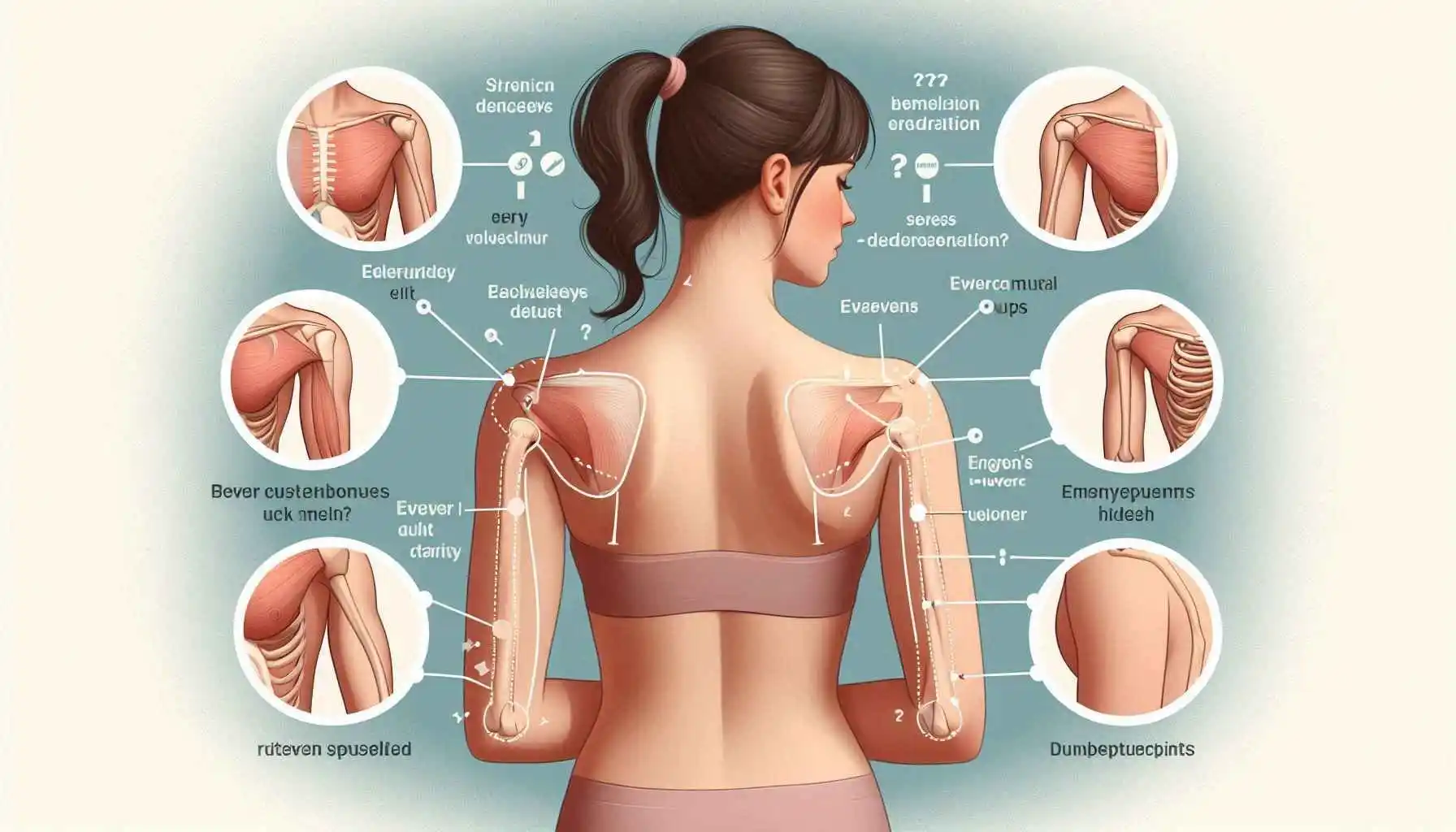
| Test | Maneuver | Positive Sign | Most Likely Pathology |
| Neer Impingement | Full forward flexion with internal rotation | Pain in the anterior shoulder | Subacromial impingement |
| Hawkins‑Kennedy | 90° flexion + internal rotation | Pain at 70‑90° | Impingement of supraspinatus/bursa |
| Empty Can/Jobe | 90° abduction, 30° horizontal adduction, resisted elevation | Pain or weakness | Supraspinatus tear/tendinopathy |
| Drop Arm | Patient lowers arm from 90° abduction | Inability to control descent | Large rotator‑cuff tear |
| Lift‑Off | Hand placed on lower back, patient lifts off | Inability to lift hand | Subscapularis tear |
| Cross‑Body Adduction | Arm adducted across chest | Pain over AC joint | AC joint pathology |
| O’Brien’s (Active Compression) | 90° flexion, adduction, internal rotation; resisted vertical load | Pain at the AC joint or glenoid | Labral tear or AC joint degeneration |
| Spurling’s (Cervical) | Neck extension + lateral flexion + axial load | Radicular symptoms | Cervical radiculopathy (potentially contributing to shoulder asymmetry) |
Clinical Pearls:
- A single positive test does not confirm a diagnosis; combine test results with history and imaging.
- Pain‑free range of motion with a positive impingement test still supports subacromial pathology.
- Neurological deficits (e.g., diminished biceps reflex) should prompt cervical spine evaluation before attributing asymmetry solely to the shoulder.
3.3 Imaging & Ancillary Studies
Imaging is reserved for cases where the clinical picture is unclear, severe, or refractory to conservative care, or when surgical planning is contemplated.
| Modality | Indications | What It Reveals | Limitations |
| Standard Radiographs (AP, Grashey, scapular Y, axillary) | Suspected fracture, dislocation, osteoarthritis, AC joint degeneration | Bony alignment, joint space narrowing, osteophytes, calcific deposits | Soft‑tissue pathology invisible |
| Ultrasound (dynamic) | Suspected rotator‑cuff tear, calcific tendinitis, bursitis, guided injections | Real‑time tendon integrity, fluid collections, Doppler hyperemia | Operator‑dependent; limited for deep structures |
| Magnetic Resonance Imaging (MRI) | Persistent pain >6 weeks, suspicion of labral tear, partial/full‑thickness rotator‑cuff tear, capsular pathology | Detailed soft‑tissue contrast: tendon morphology, labrum, muscle atrophy, cartilage, edema | Cost; contraindications (pacemaker, claustrophobia) |
| CT Scan (often with 3‑D reconstruction) | Complex bony injury, pre‑operative planning for glenoid version or coracoid morphology | Precise bone geometry, fracture configuration | Radiation exposure; limited soft tissue |
| CT‑Arthrography | Subtle labral or capsular lesions when MRI is equivocal | Contrast outlines intra‑articular structures | Invasive; risk of contrast reaction |
| Diagnostic Nerve Conduction / EMG | Neurological symptoms (numbness, weakness) that do not resolve with shoulder‑focused therapy | Evidence of peripheral nerve entrapment or cervical radiculopathy | May miss early or mild neuropathies |
Algorithmic Approach to Imaging

- Step 1 – Plain Films (AP, scapular Y, axillary) for all new shoulder complaints.
- Step 2 – Targeted Ultrasound if the clinical suspicion centers on rotator‑cuff or bursal pathology and the clinician is skilled in sonography.
- Step 3 – MRI when the history or physical exam suggests labral tears, partial‑thickness rotator‑cuff tears, or capsulolabral pathology, or when conservative care fails after 6–8 weeks.
- Step 4 – CT only for complex fractures, arthritic osteophyte mapping, or pre‑operative glenoid version analysis.
- Step 5 – Electrodiagnostic studies if neurological red flags (e.g., progressive weakness, dermatomal sensory loss) are present.
3.4 Integrating Findings – Formulating a Working Diagnosis
After completing history, exam, and any imaging, clinicians should synthesize the data into a structured differential diagnosis. One practical framework uses the acronym “POSTURAL”:
| Category | Typical Findings | Example Diagnoses |
| P – Postural / Alignment | Chronic scapular elevation, thoracic kyphosis, chin‑on‑chest | Scapular dyskinesis, thoracic outlet syndrome |
| O – Overuse | Repetitive overhead activity, pain in the painful arc, early fatigue | Subacromial impingement, rotator‑cuff tendinopathy |
| S – Structural – Bony | Fracture lines on X‑ray, osteophytes, glenoid retroversion | Proximal humerus fracture, osteoarthritis |
| T – Tendinous / Soft‑Tissue | Ultrasound/MRI tendon discontinuity, calcifications | Full‑thickness rotator‑cuff tear, calcific tendinitis |
| U – Unstable / Ligamentous | Positive apprehension test, AC joint separation | Anterior shoulder instability, AC joint dislocation |
| R – Radicular / Neurologic | Dermatomal numbness, EMG changes, Spurling’s test positive | Cervical radiculopathy, brachial plexus neuropathy |
| A – Arthritic / Inflammatory | Joint space narrowing, ESR/CRP elevation, morning stiffness | Rheumatoid arthritis, adhesive capsulitis |
| L – Localized Infection / Tumor | Fever, elevated WBC, mass on MRI | Septic arthritis, neoplasm |
Decision‑Making Checklist
- Does the history align with the physical findings?
- Discrepancy → consider referral for imaging or specialist input.
- Is there a red‑flag (e.g., progressive neurological deficit, systemic signs, severe trauma)?
- Yes → urgent imaging or specialist referral.
- Is the asymmetry purely cosmetic, or is it functionally limiting?
- Functional limitation → prioritize active rehabilitation; cosmetic only may be addressed with posture‑focused therapy.
- Is the patient a candidate for early surgical intervention?
- Indications include large rotator‑cuff tears (>3 cm), acute high‑energy fractures, or irreducible instability.
3.5 Practical Documentation Template
| Section | Content to Include |
| Chief Complaint | “Right shoulder appears higher than left; intermittent ache for 4 months, worse with overhead work.” |
| History of Present Illness | Onset (gradual), activity profile (computer programmer, 8 h/day), pain pattern (dull, 3/10 at rest, 6/10 with lifting), neurological symptoms (none), prior PT (6 weeks, minimal change). |
| Past Medical History | Diabetes type 2 (well‑controlled), prior left rotator‑cuff repair (2019). |
| Physical Exam | Inspection: Right shoulder ~1.5 cm higher, mild scapular winging. ROM: Active flexion 160°, painful arc 80‑120°. Strength: Supraspinatus 4/5, External rotation 3/5. Special tests: Positive Hawkins‑Kennedy, negative Spurling’s. |
| Imaging | Plain AP & scapular Y – normal glenohumeral alignment, mild AC joint osteophytes. Ultrasound – partial‑thickness supraspinatus tear (~50 %). |
| Assessment | 1️⃣ Right partial‑thickness supraspinatus tendinopathy with secondary scapular dyskinesis. 2️⃣ Postural thoracic kyphosis contributing to shoulder asymmetry. |
| Plan | • 6‑week focused PT program (scapular stabilization, posterior capsule stretching). • NSAID 400 mg BID PRN. • Re‑evaluate in 4 weeks; consider PRP injection if no improvement. |
Key Take‑aways for the Clinician
- History is the compass; the exam is the map. Together they usually reveal the dominant driver of shoulder asymmetry.
- Never rely on a single positive test. Corroborate findings across multiple domains before labeling a pathology.
- Imaging should be purposeful, not reflexive. Use it to answer a specific clinical question that will change management.
- Consider the whole kinetic chain. Cervical posture, thoracic alignment, and scapular mechanics often masquerade as “shoulder” problems.
- **Document the
4. Treatment Strategies: From Conservative to Surgical
The management plan is individualized, taking into account the cause, severity, functional goals, and patient preferences. Below we outline a stepwise algorithm that most clinicians follow.
4.1. First‑Line Conservative Measures
| Intervention | Rationale | Typical Duration |
| Postural Retraining | Re‑educates scapular positioning via cues and ergonomic adjustments | 4–8 weeks, ongoing reinforcement |
| Therapeutic Exercise (scapular stabilization, rotator cuff strengthening) | Restores muscle balance and proprioception | 8–12 weeks, progressive overload |
| Manual Therapy (soft‑tissue mobilization, joint mobilizations) | Reduces capsular restrictions and muscle tension | 2–6 sessions, combined with exercises |
| Activity Modification (breaks from repetitive overhead work) | Prevents aggravation while tissues heal | Variable, as needed |
| Pain Management (NSAIDs, topical agents, cryotherapy) | Controls inflammation and discomfort | Short‑term, as directed |
Sample Exercise Routine (3 sets, 10–15 reps)
- Wall Angels – Promote upward rotation of the scapula.
- Prone Y‑Raise – Strengthens lower trapezius.
- Scapular Push‑Ups – Engages serratus anterior.
- External Rotation with Theraband – Isolates infraspinatus/teres minor.
4.2. Adjunct Therapies
- Dry Needling or Trigger‑Point Injections – Target myofascial knots that may tether the shoulder girdle.
- Neuromuscular Electrical Stimulation (NMES) – Facilitates activation of weak muscles (e.g., serratus anterior).
- Kinesiology Taping – Provides proprioceptive feedback and temporary postural support.
4.3. When to Consider Surgical Intervention
Surgery is reserved for structural pathology that fails to improve with exhaustive conservative care, such as:
- Severe AC joint dislocation (Rockwood grade III‑V)
- Significant clavicular malunion or non‑union
- Persistent scapular winging due to nerve injury (e.g., spinal accessory nerve)
- Rotator cuff tears that compromise shoulder biomechanics
Procedures may include open or arthroscopic fixation, muscle/tendon transfers, or corrective osteotomies. Post‑operative rehabilitation is crucial and often mirrors the conservative program but with a more gradual progression.
5. Styling Asymmetrical Shoulders: Practical Fashion Guidance
Even when the medical journey is underway, we can help our clients feel confident in their everyday attire. Here are styling principles that visually balance uneven shoulders.
5.1. Choose the Right Necklines
- Vertical V‑Necks – Draw the eye upward, creating an elongating effect.
- Off‑Shoulder or One‑Shoulder Tops – Strategically highlight the stronger side, diverting attention from the higher shoulder.
- Wrap Dresses/Blouses – The diagonal line naturally balances asymmetry.
5.2. Leverage Patterns & Color
- Dark Shades on the Higher Side – Minimize perceived size.
- Light or Bright Accents on the Lower Side – Add visual weight where needed.
- Subtle Prints – Use small, repeated motifs on the weaker side to create a sense of symmetry.
5.3. Structured Tailoring
- Shoulder Pads – Lightly padded blazers can raise a drooping shoulder without looking over‑done.
- Custom Fit Jackets – A well‑fitted seam should sit exactly at the natural shoulder point, masking minor discrepancies.
- Avoid Over‑Seam Stitching on the higher side; this can accentuate the elevation.
5.4. Accessorize Strategically
- Statement Necklaces or Scarves – Draw attention toward the centerline.
- Asymmetrical Earrings – If the asymmetry is subtle, matching the ear style can create a harmonious aesthetic.
- Bag Placement – Carry a cross‑body bag on the side of the lower shoulder to balance visual weight.
5.5. Layering Tips
- Cropped Jackets Over Long Tops – The contrasting lengths can disguise uneven shoulder heights.
- Open Cardigans – Wear them slouched over a fitted tee to soften the shoulder line.
“Fashion is an extension of our body’s story. When we dress thoughtfully, we turn a physical discrepancy into a design advantage.” – Anna Patel, Fashion Consultant
6. Putting It All Together: A Sample Management Plan
Below is a sample 12‑week roadmap for a client presenting with mild postural shoulder asymmetry secondary to desk work.
| Week | Goal | Intervention |
| 1–2 | Baseline assessment, pain control | Detailed history, physical exam, X‑ray (if indicated), NSAIDs as needed |
| 3–4 | Initiate postural correction | Ergonomic workstation set‑up, education on “neutral spine” cues |
| 5–6 | Build scapular stability | Manual therapy + Wall Angels + Prone Y‑Raises (3×/week) |
| 7–8 | Strengthen rotator cuff & serratus | Theraband external rotations, Scapular push‑ups; introduce NMES if weakness persists |
| 9–10 | Integrate functional movement | Simulated work tasks (typing, reaching) with real‑time feedback |
| 11–12 | Re‑evaluate & refine | Repeat ROM/strength testing, adjust exercise intensity, discuss long‑term maintenance plan |
Maintenance Phase (Post‑12 weeks)
- Continue core and scapular exercises 2×/week.
- Perform weekly posture “check‑ins” at the workstation.
- Review clothing choices quarterly to ensure confidence remains high.
7. Key Takeaways
- Shoulder asymmetry is multifactorial—posture, muscle balance, spinal curvature, trauma, and neuropathy all play a role.
- A systematic diagnostic process—history, physical exam, and selective imaging—helps pinpoint the underlying cause.
- Conservative care is the cornerstone of treatment, emphasizing exercise, manual therapy, and ergonomic modifications.
- Surgical options are limited to structural lesions that do not respond to rehabilitation.
- Style can camouflage or even celebrate asymmetry; thoughtful wardrobe choices boost self‑esteem while the body heals.
By approaching asymmetrical shoulders with a blend of clinical rigor and empathetic styling guidance, we empower individuals to regain functional symmetry and the confidence to wear any outfit with poise.
FAQs What causes asymmetrical shoulders?
- Uneven posture, muscle imbalances, scoliosis, carrying heavy bags on one side, poor ergonomics, or injuries can lead to asymmetrical shoulders.
- Can asymmetrical shoulders be corrected naturally?
- Yes, with consistent posture correction, targeted exercises, stretching, and lifestyle adjustments. Severe cases may require medical intervention.
- How long does it take to fix uneven shoulders naturally?
- It depends on the severity but can take 3–6 months of consistent effort with exercises, stretches, and posture awareness.
Postural & Lifestyle Adjustments
- How does poor posture contribute to uneven shoulders?
- Slouching, hunching over screens, and leaning to one side weaken muscles unevenly, pulling one shoulder higher than the other.
- What daily habits worsen asymmetrical shoulders?
- Carrying bags on one shoulder, sleeping on one side, leaning on elbows, or working at a poorly set-up desk.
- How can I improve my sitting posture for balanced shoulders?
- Sit with feet flat, shoulders relaxed, and spine aligned. Adjust screen height to eye level and avoid hunching.
Stretches for Asymmetrical Shoulders
- What are the best stretches for uneven shoulders?
- Doorway chest stretch, neck tilts, child’s pose, arm-across-chest stretch, and cat-cow stretch can help realign shoulders.
- How often should I stretch for shoulder symmetry?
- Aim for 2–3 times daily, holding stretches for 20–30 seconds per side.
- Can yoga help correct asymmetrical shoulders?
- Yes, poses like Downward Dog, Cobra, Thread the Needle, and Eagle Arms promote balance and alignment.
Strengthening Exercises
- Which exercises help balance uneven shoulders?
- Shoulder blade squeezes, resistance band rows, face pulls, lateral raises, and wall angels can strengthen weak muscles.
- Should I focus on my weaker or stronger side when exercising?
- Prioritize equal strengthening, but slightly extra focus on the weaker side can help correct imbalance.
- Can push-ups fix asymmetrical shoulders?
- Yes, but ensure proper form—avoid letting one shoulder drop lower than the other.
Natural Remedies & Therapies
- Can massage therapy help with shoulder imbalance?
- Yes, a deep tissue massage or myofascial release can relax tight muscles contributing to asymmetry.
- Does chiropractic care help with uneven shoulders?
- A chiropractor can correct spinal misalignments that may be causing shoulder imbalance.
- Are heat or cold packs beneficial for shoulder asymmetry?
- Heat helps relax tight muscles, while ice reduces inflammation from overuse or injury.
Sleep & Ergonomics
- What’s the best sleeping position for balanced shoulders?
- Sleep on your back with a supportive pillow or on your side with a pillow between arms to prevent hunching.
- Does pillow height affect shoulder alignment?
- Yes, a too-high pillow can strain one shoulder, while a too-low one may cause forward head posture.
Prevention & Long-Term Care
- How can I prevent my shoulders from becoming uneven again?
- Maintain balanced muscle strength, avoid one-sided activities, and stay mindful of posture.
- Can weightlifting make asymmetrical shoulders worse?
- Only if done incorrectly—focus on symmetrical form, controlled lifts, and balanced workouts.
- Should I avoid carrying backpacks or handbags?
- If possible, use a backpack with both straps or switch sides frequently if using a handbag.
When to Seek Medical Help
- When should I see a doctor for uneven shoulders?
- If pain, numbness, or severe scoliosis is present, consult a physiotherapist or orthopedic specialist.
- Can scoliosis cause permanent shoulder asymmetry?
- Severe scoliosis may require medical treatment, but mild cases can improve with posture correction and exercises.
Additional Tips
- Do shoulder asymmetry exercises also help with neck pain?
- Yes, since neck and shoulders are connected, correcting one often relieves the other.
- Can stress affect shoulder alignment?
- Yes, stress leads to tension in the upper traps, raising one shoulder—relaxation techniques help.
- Are mobility drills useful for shoulder balance?
- Yes, shoulder circles, arm swings, and controlled rotations improve joint mobility and symmetry.
For Desk Workers
- How can office workers prevent shoulder imbalance?
- Use an ergonomic chair, take micro-breaks, and perform desk stretches (e.g., seated shoulder rolls).
- Should I adjust my workspace for shoulder symmetry?
- Yes—keyboard at elbow height, monitor at eye level, and wrists neutral to avoid slouching.
Sports & Asymmetry
- Can swimming help with uneven shoulders?
- Yes, freestyle and backstroke promote balanced muscle development if strokes are symmetrical.
- Do asymmetrical sports (tennis, golf) worsen shoulder imbalance?
- They can—counter-stretching and balanced training are essential to prevent one-sided dominance.
- Are resistance bands effective for shoulder realignment?
- Yes, they help strengthen weak muscles evenly—use them for rows, pull-aparts, and shoulder retractions.
Final Tip: Consistency is key! Combine stretching, strengthening, posture awareness, and ergonomic adjustments for the best results.
Medical Disclaimer:
The information provided on this website is for general educational and informational purposes only and is not intended as a substitute for professional medical advice, diagnosis, or treatment. Always seek the advice of your physician or other qualified health provider with any questions you may have regarding a medical condition. Never disregard professional medical advice or delay in seeking it because of something you have read on this website.


