What Bee Pollen Actually Is and it Really Does for Your Energy
There is evidence that the food industry designs ultra-processed foods to be highly rewarding, to maximize craveability and to make us want more and more and more
 sundarammurali2@gmail.comJune 5, 202421 Mins read93
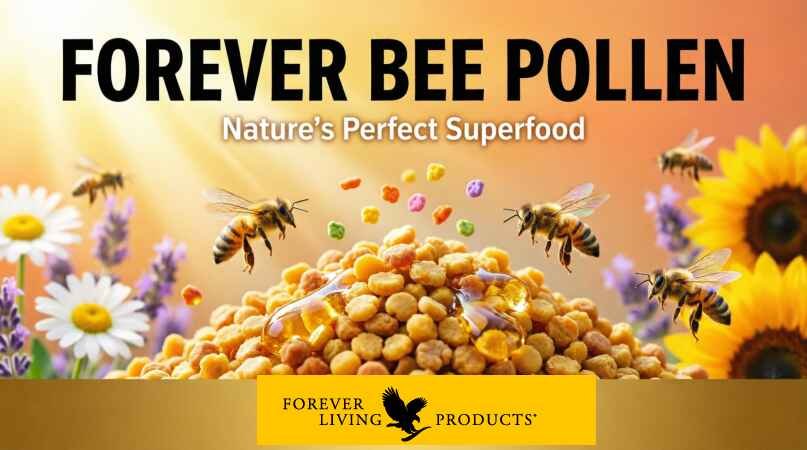
The Hive’s Quiet Powerhouse: What Bee Pollen Really Does for Your Energy (and What It Doesn’t)
A straight-talking guide to bee pollen benefits, nutrition, safe use, and choosing a bee pollen supplement
It’s 3:40 on a Tuesday afternoon. The coffee you poured at noon went cold an hour ago, your to-do list hasn’t moved, and the vending machine down the hall has started to look like a reasonable life choice.
Most of us have a routine for this slump: another coffee, something sugary, maybe a short walk if we’re feeling virtuous. And most of us know how the story ends. The lift is brief, the crash is bigger, and by evening we’re running on fumes.
So when someone tells you that tiny golden granules gathered by honeybees might help with steadier, more natural energy, skepticism is the right first reaction. Supplement shelves are crowded with big promises. Still, bee pollen has been eaten for a very long time, it has been studied more than most people assume, and the story behind it is worth understanding before you spend a cent.
That’s what this guide is for. We’ll look at what bee pollen actually is, what’s inside it, which bee pollen benefits have decent support and which are mostly hype, how to take bee pollen, who should stay away from it, and how to buy a bee pollen supplement without getting burned. We’ll also look closely at bee pollen tablets blended with honey, including Forever Bee Pollen, for people who like the idea but can’t stand chewing the raw granules.
Fair warning: I’m going to be straight about the limits of the evidence. Bee pollen is a nutritious food and, for some people, a pleasant natural energy booster. It is not a cure for anything, and for a small group of people it can be dangerous. Both of those things are true at once.
https://foreverliving.com/ind/en-us/home
Need this product , Open the above site, click join , enter your details ,
( No need to furnish any ID now ) use sponsor ID 910707421238 create your FBO ID, down load the app Forever in your mobile and order from the store.
What Bee Pollen Actually Is (and How a Hive Makes It)
Start with the flower. Every blossom that depends on insects to reproduce makes pollen, a fine powder of microscopic grains carrying the plant’s male genetic material. A honeybee landing on a flower gets dusted with it. Some of that dusting is accidental. The rest is entirely on purpose.
Worker bees are dedicated pollen collectors. They brush grains from the flower, dampen them with a little nectar and secretions from their own glands, and pack the sticky mixture into small baskets of stiff hairs on their hind legs. When you spot a bee wobbling home with bright orange or yellow blobs on its legs, that’s bee pollen, assembled one blossom at a time.
Back at the hive, the pollen goes into wax cells, gets sealed under a layer of honey, and ferments lightly into what beekeepers call bee bread. That’s the protein ration for nurse bees and growing larvae. Honey supplies the carbohydrates. Pollen supplies most of the rest. No pollen, no healthy brood, no colony.
Bees don’t make pollen. They collect it, curate it, and turn it into food. We’re borrowing a small amount from a very busy kitchen.
How people collect it without starving the hive
Beekeepers fit a pollen trap at the hive entrance. It’s a grid with holes just wide enough that returning foragers have to squeeze through, and some of the pellets get brushed off into a tray below. Responsible beekeepers use traps for limited stretches of time and leave plenty of pollen for the colony. The pellets are then cleaned, dried or frozen quickly (moisture invites mold), and packed.
Why the colors vary so much
Granules run from pale yellow to rust, deep orange, even purple, depending on which plants the bees visited. Most commercial pollen is polyfloral, meaning a blend from many plants. Pollen from a single source, like chestnut or willow, exists but is rarer and pricier. Composition shifts with the plants, the region, and the season, which is why two jars labeled “bee pollen” can differ more than you’d expect.
Bee pollen next to the other hive products
People lump everything from the hive together, so here’s a quick sorting guide.
| Hive product | What it is | Main job in the hive | How people use it |
| Bee pollen | Flower pollen packed with nectar and bee secretions | Protein source for brood | Granules, powder, tablets, capsules |
| Honey | Nectar converted by bees and stored | Carbohydrate energy | Food, sweetener, blended into supplements |
| Royal jelly | Secretion from nurse bees | Feeds queen and young larvae | Capsules, ampoules, creams |
| Propolis | Resin collected from trees, mixed with wax | Seals and protects the hive | Tinctures, lozenges, topical products |
| Bee bread | Fermented pollen stored in cells | Ready-to-eat larval food | Rare, specialty supplement |
Key takeaway: Bee pollen is the hive’s protein and micronutrient source. Honey is its fuel. That’s exactly why the two make a sensible pairing in a single supplement.
What’s Inside: Bee Pollen Nutrition and Bioactive Compounds
You’ll often see bee pollen called “nature’s perfect food.” It’s a lovely phrase and a slightly generous one. Let’s look at what the granules really contain, then decide how impressed to be.
The macronutrients
On a dry-weight basis, published analyses generally put protein somewhere between about 10 and 40 percent, with a wide spread depending on the plant source. That protein includes the essential amino acids, which your body can’t make on its own. Carbohydrates, mostly the simple sugars fructose and glucose, usually make up around a third to over half. Fats are a small slice, typically single digits, but they include some essential fatty acids. There’s also a little fiber from the pollen grain walls.
Vitamins and minerals
Bee pollen carries a spread of B vitamins (including thiamin, riboflavin, niacin, B6, and folate), vitamin C, vitamin E, and carotenoids, some of which the body converts to vitamin A. On the mineral side, expect potassium, phosphorus, calcium, magnesium, iron, zinc, manganese, and copper, in modest amounts.
The bioactive compounds in bee pollen
This is where the “superfood” talk gets its footing. Beyond ordinary nutrients, pollen is rich in plant chemicals that researchers call bioactive compounds: flavonoids such as quercetin, kaempferol, and rutin; phenolic acids; carotenoids; and phytosterols. Pollen also contains enzymes, partly from the plants and partly from the bees’ own secretions. In lab tests, many of these compounds show antioxidant activity, meaning they can neutralize unstable molecules called free radicals.
| Component | What you’ll typically find | Why it matters |
| Protein and amino acids | Roughly 10 to 40 percent of dry weight, includes essential amino acids | Building blocks for muscle, enzymes, and hormones |
| Carbohydrates | Mostly fructose and glucose | Quick, usable fuel |
| Lipids | Small amounts, some essential fatty acids | Cell structure, absorption of fat-soluble vitamins |
| B vitamins | Thiamin, riboflavin, niacin, B6, folate | Help convert food into energy |
| Vitamin C, vitamin E, carotenoids | Present in varying amounts | Antioxidant roles in the body |
| Minerals | Potassium, calcium, magnesium, iron, zinc, others | Nerve and muscle function, oxygen transport, bone health |
| Flavonoids and phenolic acids | Quercetin, kaempferol, rutin, and relatives | Antioxidant activity shown in lab studies |
| Enzymes | Amylase and others reported | Role in the hive; digestive relevance in humans is unproven |
A reality check on the “perfect food” claim
Here’s the part marketing copy tends to skip. A typical serving is around a teaspoon of granules, or a tablet or two. At that size, you’re getting a pleasant nutrient top-up, not a meal replacement. The lab numbers describe the pollen itself. They don’t automatically describe what a spoonful does inside your body.
So think of bee pollen as a concentrated, interesting food that adds some nutrition to an already decent diet. That’s a perfectly good reason to eat it. It’s just a more modest claim than “perfect.”
Key takeaway: Bee pollen nutrition is genuinely diverse, but amounts per serving are small and vary by source. Treat it as a nutritious add-on, not a replacement for real meals.
https://foreverliving.com/ind/en-us/home
Need this product , Open the above site, click join , enter your details ,
( No need to furnish any ID now ) use sponsor ID 910707421238 create your FBO ID, down load the app Forever in your mobile and order from the store.
Bee Pollen Benefits: What the Evidence Actually Supports
Let me say this plainly, because it matters for everything in this section: most of the research on bee pollen comes from lab experiments, animal studies, and small human trials. Large, well-controlled human studies are scarce. Anyone promising miracle results is getting ahead of the science. With that said, there are real, reasonable things to say.
Natural energy and stamina
This is the headline benefit, and it’s the one people feel most. The logic is straightforward. Bee pollen delivers carbohydrates for quick fuel, protein and amino acids for sustained support, and B vitamins that your cells use to turn food into usable energy. Unlike coffee or an energy drink, it contains no caffeine and no stimulant, so there’s no jittery peak followed by a crash.
That makes it appealing as a natural energy booster. The honest footnote: the effect is usually described as gentle and cumulative rather than dramatic, and controlled studies of athletic performance have produced mixed results. Some people feel steadier within a couple of weeks. Others notice nothing. If you’re run down because of poor sleep, low iron, or an undiagnosed health issue, no supplement will fix that, and it’s worth asking a doctor why you’re tired.
Antioxidant support
Oxidative stress is a bit like rust. Everyday metabolism, pollution, and stress all produce free radicals, and over time they can damage cells. The flavonoids and phenolic acids in pollen have shown strong antioxidant activity in lab tests. That’s encouraging, but it’s a long way from proving that eating pollen lowers your risk of any specific disease. Think of it as a plausible, supportive benefit, not a proven one.
Inflammation
Several animal and cell studies suggest that bee pollen extracts can dial down inflammatory signals. That’s interesting, and it’s one reason researchers keep studying it. Human evidence is thin, so I’d file this under “promising, unproven.”
Digestion and general nutrition
Bee pollen is sometimes recommended as a gentle nutritional boost for people with small appetites or restricted diets, because it packs a lot of different nutrients into a tiny volume. Claims that it “heals the gut” go much further than the data. If digestion is your concern, treat pollen as a minor supporting player at most.
Menopause and other specific uses
A few small trials have tested particular pollen extracts, usually combined with other ingredients, for menopausal symptoms like hot flashes, with some reporting modest improvement. These were specific products in specific studies, so the results don’t automatically apply to a spoonful of granules. Topical and wound-healing uses have also been explored, mostly in early research.
Performance for athletes
Bee pollen has a long reputation among endurance athletes. The research hasn’t consistently backed it. Some studies found no meaningful performance improvement. If you’re curious, treat it as an experiment with a food, track how you feel, and don’t expect a podium.
Bee pollen versus coffee, energy drinks, and the usual quick fixes
It helps to compare bee pollen with what most of us reach for at 3:40 p.m. An average cup of brewed coffee carries roughly 80 to 100 milligrams of caffeine, and many energy drinks carry as much or more, often alongside a hefty dose of added sugar. Caffeine works fast because it blocks the brain’s tiredness signals. It doesn’t give you any actual fuel, which is why the crash can feel so rough.
Bee pollen works the other way around. There’s no stimulant to speak of, so you won’t feel a sudden kick. What you get is food: some carbohydrates, protein, and micronutrients that your body can use. The trade-off is speed. If you need to be sharp in twenty minutes, coffee wins. If you want to feel less wrung out over a month, a food-based approach may serve you better, ideally alongside better sleep and regular meals.
| Option | How it works | Speed | Typical downside |
| Coffee | Blocks tiredness signals with caffeine | Fast (minutes) | Jitters, poor sleep, afternoon crash |
| Energy drink | Caffeine plus lots of sugar | Fast | Sugar spike and crash, high stimulant load |
| Sugary snack | Quick glucose rise | Fast | Brief lift, then a drop |
| Bee pollen | Nutrients and carbohydrates, no stimulant | Gradual (days to weeks) | Allergy risk, modest effect, quality varies |
| Sleep, food, movement | Addresses root causes | Gradual | Takes effort and consistency |
Notice the last row. Nothing on this table beats the basics, and bee pollen is best seen as a supporting act for them.
Where the evidence stands, at a glance
| Claimed benefit | Strength of human evidence | Plain-English take |
| Gentle, sustained energy | Limited and mixed | Many people report it; trials are inconsistent |
| Antioxidant activity | Strong in the lab, thin in people | Plausible support, not a proven health effect |
| Reduced inflammation | Mostly animal and cell studies | Promising, unproven in humans |
| Nutritional top-up | Reasonable (it’s food) | Good small boost to a balanced diet |
| Menopausal symptom relief | Small trials of specific extracts | Possibly helpful, needs more research |
| Athletic performance | Mixed to negative | Don’t count on it |
| Allergy “desensitization” | No good evidence | Do not try this; it can be risky |
A good supplement should earn its place in your routine by being safe, honest about what it does, and pleasant enough that you’ll keep taking it.
Key takeaway: Bee pollen benefits are real but modest, and most are better supported by lab research than by large human trials. Set your expectations at “helpful food,” not “miracle cure.”
How to Take Bee Pollen: Forms, Doses, and a Smart Start
Now for the practical part. Bee pollen comes in four common forms, and the best one is mostly a matter of taste and convenience.
- Raw granules. The traditional form. Sprinkle on yogurt, oatmeal, or smoothies, or chew them straight. The flavor is floral, a little bitter, sometimes earthy. Some people love it. Many don’t.
- Ground granules, easy to blend into drinks, though the taste is still there.
- Tasteless and tidy, but sometimes mixed with other ingredients, so read the label.
- Bee pollen tablets. Pollen pressed into a convenient tablet, often with honey to bind it and soften the flavor.
A step-by-step way to start
- Check for allergies first. If you have hay fever, asthma, or any known allergy to pollen, bees, or honey, talk to your doctor before trying bee pollen at all. Skip the rest of these steps until you have an answer.
- Start tiny. If you’re using granules, begin with just a few. Wait a full day and watch for itching, swelling, hives, wheezing, or stomach upset. If anything shows up, stop.
- Build up slowly. Over a week or two, move toward the amount on your product’s label. For granules, that’s commonly around a teaspoon or less per day. Always follow the label for tablets and capsules.
- Pick a consistent time. Morning or early afternoon, with food, works well for most people. Some find that taking it late in the day makes them more alert at bedtime, so experiment.
- Give it a fair trial. Two to four weeks is a reasonable window to judge how you feel. Keep a short note each day. It sounds fussy, but it keeps you honest.
- Store it properly. Keep granules in an airtight container in a cool, dark place. For long storage, the freezer is your friend. Pollen picks up moisture easily, and moisture is how mold gets started.
Easy ways to work it into your day
If you’re using granules, scatter them over overnight oats, stir them into yogurt with berries, or blend them into a smoothie. Add them after cooking rather than before, since high heat may reduce some of the more delicate compounds. Pair pollen with a source of healthy fat or protein and you’ll have a snack that holds you for longer than a pastry would.
What a realistic day might look like
Say you’re a nurse working long shifts, or a teacher with a packed timetable, or someone who’s home with two kids and no quiet minute until nine. You don’t have time for a ritual. Here’s how bee pollen can slot in without becoming one more chore:
- Breakfast: a few granules (or your label-directed tablet) with food, alongside protein and fruit.
- Mid-morning: water, and a proper snack rather than a third coffee.
- Afternoon slump: a walk of ten minutes and a handful of nuts. If you’re taking a second serving, follow the label limit and don’t exceed it.
- Evening: a normal dinner and a consistent bedtime. This does more for next-day energy than any supplement.
The point of the example is the shape of it. Bee pollen takes a minute. The rest of the day is still where energy is made.
https://foreverliving.com/ind/en-us/home
Need this product , Open the above site, click join , enter your details ,( No need to furnish any ID now ) use sponsor ID 910707421238 create your FBO ID, down load the app Forever in your mobile and order from the store.
Tablets and the honey advantage: Forever Bee Pollen
Here’s the problem with traditional bee pollen: it’s often bland at best and bitter at worst, and chewing a spoonful of granules every morning isn’t everyone’s idea of breakfast. That’s the gap that tablets fill.
Forever Bee Pollen is a good example of the tablet approach. It combines pure bee pollen with honey in a single tablet, so you get the nutrition of the pollen alongside the quick energy of honey, without having to taste either one raw. The brand describes it as easily digestible and absorbed, and positions it as a natural source of proteins, amino acids, carbohydrates, vitamins, and minerals to help support energy and stamina through the day.
A few practical details, taken from the product information:
- It’s a tablet rather than loose granules, which makes dosing simple and travel easy.
- Honey is part of the formula, which smooths the flavor and adds natural carbohydrates.
- It’s manufactured in Spain by Mielso, S.A. (Almazora) for Aloe Vera of America, Inc., based in Dallas, Texas.
As with any bee pollen and honey product, the same cautions apply. Check the label for the serving size and full ingredient list, remember that the honey contributes some sugar, and don’t give it to infants under one year old. If you have a pollen, bee, or honey allergy, a tablet is not a safer route than granules. The allergen is still in there.
Key takeaway: The best way to take bee pollen is the one you’ll actually stick with, started slowly, and chosen with your allergy status in mind.
Safety First: Bee Pollen Allergy, Side Effects, and Who Should Skip It
I’d be doing you a disservice if I buried this section. For most healthy adults, bee pollen is well tolerated in small amounts. For a minority of people, it isn’t, and the downside can be serious.
Bee pollen allergy
Pollen is, by definition, an allergen. Bee pollen contains a mix of grains from different plants, so if your immune system reacts to any of them, you can react to the pollen. Reactions range from mild (an itchy mouth or throat, hives, a runny nose) to severe. There are published case reports of anaphylaxis, a life-threatening allergic reaction, after people took bee pollen, including people who had no idea they were sensitive. The risk is higher if you already have seasonal allergies or asthma.
Watch for these warning signs after a first dose:
- Itching or tingling in the mouth, lips, or throat
- Hives or a spreading rash
- Swelling of the face, lips, or tongue
- Wheezing, chest tightness, or trouble breathing
- Dizziness, a racing heart, or stomach cramps
Trouble breathing or facial swelling is an emergency. Call your local emergency number right away.
There’s also an old claim floating around that taking bee pollen can “desensitize” you to hay fever. There’s no good evidence for it, and it’s the very scenario in which things can go wrong. Please don’t try it on your own.
Other bee pollen side effects
In people who aren’t allergic, side effects are usually mild: some stomach upset, loose stools, or a bit of nausea, especially at higher doses or when starting too fast. Starting slowly takes care of most of this.
Medications and health conditions
- Blood thinners: there’s at least one published case of a person on warfarin whose blood-clotting numbers shifted after taking bee pollen. If you take anticoagulants, check with your prescriber first.
- Diabetes: honey-containing products add carbohydrates. If you manage blood sugar, factor that in and ask your care team.
- Pregnancy and breastfeeding: safety data is lacking. Most guidance suggests avoiding it unless your doctor says otherwise.
- Children: keep it away from infants under 12 months, because honey can carry botulism spores that a baby’s gut can’t handle. For older children, ask a pediatrician.
- Surgery: if you have a procedure coming up, mention all supplements to your surgical team.
Contamination is a quality question
Because bees forage over wide areas, raw pollen can pick up pesticide residues, environmental pollutants, or mold if it’s stored badly. This is the strongest argument for buying from a manufacturer that tests its products and tells you where they come from.
Key takeaway: If you have any pollen, bee, or honey allergy, or take blood thinners, speak with your doctor before using any bee pollen supplement. Everyone else should start small and stop at the first sign of a reaction.
Buying Smart: How to Choose a Good Bee Pollen Supplement
The supplement market runs on trust, so it helps to know what trustworthy looks like. Here’s a checklist you can run in about two minutes.
| What to check | What a good answer looks like | Red flag |
| Country and maker | Named manufacturer, clear country of origin | Vague “imported” or no company information |
| Ingredient list | Short and understandable; honey and pollen clearly stated | Long list of fillers, or a proprietary blend that hides amounts |
| Serving information | Clear serving size and how many servings per container | “Take as much as you like” |
| Claims | Moderate, supportive wording | Promises to cure, treat, or reverse any disease |
| Quality signals | Manufacturing standards, testing, batch information | No contact details, no testing information |
| Storage and freshness | Sealed packaging, a clear best-before date | Open bins, damp granules, strong musty smell |
A few other pointers. In the United States, dietary supplements aren’t approved by the FDA before they go on sale, so the responsibility for choosing wisely lands on you. Be wary of any product that markets bee pollen for rapid weight loss, since “slimming” products containing it have a poor track record and have sometimes been found to contain undeclared drugs. And don’t judge by price alone: very cheap pollen can mean old stock or poor storage, while a high price doesn’t guarantee quality either.
When you can, buy from a company that tells you who makes the product and where. A product with a clear origin, like a tablet made in Spain with the manufacturer named on the label, gives you something concrete to verify, which is more than a lot of supplements offer.
Five questions worth asking before you buy
If a brand’s website or label leaves you unsure, run through these. A company that’s proud of its product will usually have clear answers.
- Who manufactures it, and in which country?
- Is the product pure bee pollen, or a blend with other ingredients? What exactly is in each tablet or serving?
- How is it tested for contaminants such as pesticide residues, heavy metals, and mold?
- What does the label say about allergens and who should avoid it?
- What’s the return or contact policy if something doesn’t agree with you?
If you can’t find even two of those answers, that tells you something. Move on.
Key takeaway: Choose transparency over hype. Named manufacturer, clear label, modest claims, sensible storage.
FAQs
- What is bee pollen in simple terms?
It’s flower pollen that worker bees collect, moisten with nectar and their own secretions, and pack into small pellets to carry back to the hive. Inside the colony it’s the main protein source for developing bees. People harvest a portion of it with pollen traps and eat it as granules, powder, capsules, or tablets.
- Is bee pollen the same thing as honey?
No. Honey is converted nectar and is mostly sugar. Bee pollen is the flower’s pollen grains and carries more protein, amino acids, vitamins, and plant compounds. They do work well together, which is why many products blend bee pollen and honey.
Q3 What does bee pollen taste like?
Floral, slightly bitter, a little earthy. The flavor depends on the plants the bees visited, so one batch can taste mild and another quite sharp. If you dislike it, tablets blended with honey are the easiest way around the taste.
- What are the main bee pollen benefits?
The most commonly reported are gentle energy support, an extra spread of nutrients, and antioxidant activity from its plant compounds. Lab and animal research also points to possible anti-inflammatory effects. Human trials are limited, so the honest summary is modest benefits, not miracles.
- Does bee pollen really boost energy?
Many people say it does, and the ingredients make sense: carbohydrates, protein, and B vitamins. It has no caffeine, so the effect is milder and steadier than coffee. Controlled studies are mixed, though, so expect an individual response rather than a guarantee.
Q6 How long does it take to work?
If it helps you at all, you’ll probably notice something within two to four weeks of regular use. Don’t judge it after a single dose. Keep a quick daily note on your energy so you’re not relying on memory.
- How much bee pollen should I take per day?
Follow the label on your product. For raw granules, amounts commonly sit around a teaspoon or less per day, reached gradually after starting with just a few granules. There’s no universal official dose, which is one more reason to start low.
- What’s the best time of day to take it?
Morning or early afternoon, with food, suits most people. Because some feel more alert after taking it, late evening may not be ideal if you’re sensitive to that.
Q9 Can I take bee pollen on an empty stomach?
You can, but taking it with food is gentler, particularly in the first week. If you notice nausea or cramping, switch to taking it with breakfast or a snack.
- Are tablets better than granules?
Neither is better in every way. Granules are the traditional form and easy to add to food, but the taste puts many people off. Tablets give you a fixed, convenient dose and a milder flavor. Choose based on what you’ll take consistently.
- What’s in Forever Bee Pollen tablets?
It combines pure bee pollen with honey in a single tablet. It as a natural source of proteins, amino acids, carbohydrates, vitamins, and minerals. Check the current label for the full ingredient list and serving size.
Q12 Where is Forever Bee Pollen made?
It’s manufactured in Spain by Mielso, S.A., in Almazora, with Spain listed as the country of origin. It’s manufactured for Aloe Vera of America, Inc., based in Dallas, Texas.
- Is bee pollen safe for everyone?
No. It’s well tolerated by many healthy adults in small amounts, but people with allergies to pollen, bees, or honey can have serious reactions. Pregnant or breastfeeding women, people on blood thinners, and infants should avoid it or get medical advice first.
- How can I tell if I’m allergic?
You can’t be sure without testing, so the safest route is to see an allergist if you have any history of pollen or bee-related allergy. If you have no such history, start with a few granules and watch for itching, hives, swelling, or wheezing over the next day.
Q15 Can bee pollen cause anaphylaxis?
Yes, in rare cases. Case reports describe severe, life-threatening reactions, sometimes in people who didn’t know they were sensitive. Anyone with trouble breathing, throat tightness, or facial swelling after taking it needs emergency help immediately.
- Will bee pollen cure my hay fever?
There’s no good evidence it does, and trying it can backfire. Using an allergen without medical supervision is risky for people who are already sensitive. If hay fever bothers you, talk to a doctor about proven treatments.
- What are the common bee pollen side effects?
Mild stomach upset, loose stools, or nausea are the most frequent, particularly when someone starts with too much too soon. Allergic reactions are the serious concern. Starting slowly and sticking to the label cuts down most problems.
Q18 Can I take bee pollen while pregnant or breastfeeding?
There isn’t enough reliable safety research, and the usual advice is to avoid it unless your doctor approves. Your nutritional needs are better covered by a balanced diet and any prenatal supplement your provider recommends.
- Is it safe for children?
Never give honey-containing products, including honey-bound tablets, to a baby under 12 months because of the botulism risk. For older children, ask a pediatrician first, especially if the child has allergies or asthma.
- Does bee pollen interact with medications?
Possibly. There’s a published report of changes in blood-clotting values in a person taking warfarin. Because data is limited, tell your doctor or pharmacist about any supplement you use, especially if you take blood thinners or have a chronic condition.
Q21 Can people with diabetes use it?
Ask your care team first. Pollen itself contains carbohydrates, and honey-based tablets add more. It may be fine in small amounts, but your blood sugar plan should decide, not a marketing page.
- Will it help me lose weight?
No reliable evidence says so. Be especially careful with products pushing bee pollen as a slimming aid, since some have been found to contain undeclared drugs. A natural supplement should not be your weight-loss strategy.
- Is bee pollen good for athletes?
It has a long reputation in sport, but studies haven’t consistently shown better performance. Some athletes like it as a small natural carbohydrate and nutrient boost. Treat it as a personal experiment, not a training plan.
Q24 Does it help skin and hair?
Bee pollen contains proteins, vitamins, and antioxidants that matter for skin and hair in general, and some people report improvements. Direct evidence for beauty benefits is limited, so it’s best viewed as a nutrition supplement with possible side perks.
- Is bee pollen a complete protein or a true superfood?
It contains essential amino acids, but in the amounts you’d take, it won’t replace the protein in a meal. “Superfood” is a marketing term more than a scientific one. A fair description is a nutrient-dense food that fits well alongside a balanced diet.
- How should I store it?
Keep granules in an airtight container, in a cool, dark, dry place. For longer storage, freezing is the best option. Tablets should stay sealed in their original container, away from heat and humidity.
Q27 Can I cook with bee pollen?
You can, but it’s best added after cooking. High heat may degrade some sensitive nutrients and compounds. Sprinkling it on oatmeal, yogurt, salads, or smoothies keeps things simple.
- How do I know if a bee pollen product is good quality?
Look for a named manufacturer, a clear country of origin, a readable ingredient list, a sensible serving size, and modest claims. Avoid anything that promises to cure disease. Fresh pollen should smell pleasant and floral, never musty.
Q29. Can I take it every day for a long time?
Many people take it daily for weeks or months without trouble, but long-term studies are lacking. A sensible approach is to take it as directed, check in with how you feel, and review it with your doctor if you have health conditions or take regular medication.
Conclusion: Small Hive, Sensible Habit
Bee pollen won’t rescue a sleepless week or replace a decent diet, and it certainly won’t cure what ails you. What it can do is add a layer of real nutrition, a bit of steady fuel, and a handful of interesting plant compounds to your day, in a form that has been part of human food traditions for a long time. For the right person, taken sensibly, that’s worth having.
The right person is the one who’s checked their allergy risk, started small, bought from a maker who puts a name and a country on the label, and judged the results honestly after a few weeks. If you’d rather skip the raw granules, bee pollen tablets blended with honey, like Forever Bee Pollen, make the whole routine easier to keep.
Your next step is simple. Look at the supplements already in your cabinet, think about whether you’ve ever reacted to pollen, bees, or honey, and if you’re in the clear, pick one form of bee pollen and try it for a month with a short daily note. Then come back and tell us how it went. And if you want more straight-talking wellness guides like this one, keep following armdeals.com
Disclaimer : Forever Living products are under Health supplement / Nutraceutical categories. The product is not intended to diagnose, prevent, treat or cure any disease. Consult your medical care practitioner or dietitian in case of pregnancy, lactation or if on any medication. NOT FOR MEDICINAL USE. Do not exceed the stated recommended daily usage. Store out of the reach of children in a cool, dry place. Please refer individual product label for further details.
https://foreverliving.com/ind/en-us/home
Need this product , Open the above site, click join , enter your details ,( No need to furnish any ID now ) use sponsor ID 910707421238 create your FBO ID, down load the app Forever in your mobile and order from the store.


7 food myths dietitians wish people would stop believing
There is evidence that the food industry designs ultra-processed foods to be highly rewarding, to maximize craveability and to make us want more...

Tired of the 3 PM Crash? Try Forever Bee Honey Instead
There is evidence that the food industry designs ultra-processed foods to be...
How Sacred Tulsi Van Honey Reboot Your Mind and Body
There is evidence that the food industry designs ultra-processed foods to be...

Boost Immunity, Urinary Health & Digestion With Forever Aloe Berry Nectar
There is evidence that the food industry designs ultra-processed foods to be...




Leave a comment