
Forever Garlic-Thyme : Clinical Facts & Health Benefits
 sundarammurali2@gmail.comOctober 19, 202621 Mins read29
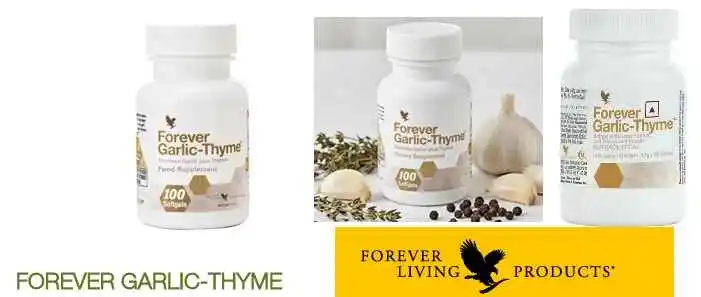
Your Grandmother’s Two Favorite Pantry Herbs, Now in a Soft gel: The Honest Guide to Forever Garlic-Thyme
What the label says, what the research supports, and who should think twice before swallowing one
It’s a damp evening at the change of the season. Your throat has that faint scratch you’ve learned not to ignore. Half your colleagues are coughing into their elbows, and somewhere in your kitchen a garlic bulb has been quietly sprouting green shoots in the vegetable basket since the last time you promised yourself you’d cook more from scratch.
Most of us know garlic is good for us. We’ve heard it from grandmothers, nutrition columns and that one relative who swears by a raw clove every morning. What we rarely do is eat enough of it, regularly enough, in a form we can actually stand, to make a real difference. Thyme has it even worse. It sits in a jar behind the cumin, used twice a year in a roast and forgotten the rest of the time.
That gap between knowing and doing is exactly where Forever Garlic-Thyme tries to live. One soft gel. Two plants with remarkably long histories. No peeling, no chopping, and (mostly) no lingering on your breath at the next meeting. More on that last part later.
But a convenient format isn’t the same as a proven one, and a label isn’t a guarantee. So this guide does something a little different from the usual product write-up. We’ll go through the label line by line. We’ll separate what garlic and thyme benefits have actually been studied for from what folklore has simply repeated for centuries. We’ll look at who should be careful, how to take a supplement like this sensibly, and how to decide whether it earns a place in your routine at all.
If you want a cheerleader, this isn’t that. If you want a clear-eyed look at a 100-softgel bottle from Forever Nutraceutical, made for Aloe Vera of America, read on.
Two Herbs With a Very Long Résumé
Garlic: the bulb that built a reputation
Garlic has been both food and medicine for so long that historians struggle to separate the two. Ancient medical writings, including the Egyptian Ebers Papyrus from around 1550 BCE, list garlic among remedies for a wide range of complaints. The product label puts it simply: ancient civilizations believed garlic would keep them healthy and strong.
Whether or not every one of those beliefs holds up, the pattern is hard to ignore. Cultures that never met each other, from the Mediterranean to South Asia to China, all landed on garlic as something worth eating regularly and keeping close. When separate communities keep reaching the same conclusion, it’s at least worth asking why.
Thyme: a herb you could bathe in
Thyme’s story is stranger, and a little more fun. According to the label, the ancient Greeks added thyme to their bathwater and burned it as incense, convinced it gave them courage. The Greek word thymos, often translated as spirit or courage, is frequently linked to the herb’s name, although etymologists still argue about the connection.
The Romans took a more practical approach. They ate thyme regularly, believing its healthful properties would protect them if an enemy tried to poison them. It’s a wonderfully specific kind of insurance, and it deserves a quick reality check: no herb neutralizes poison. But the habit of eating thyme often, as seasoning and as a tonic, tells us how seriously people took it.
Tradition tells us people valued these plants. It doesn’t tell us what one soft gel will do in your body.
What history can (and can’t) prove
Here’s the honest version. Tradition tells us people valued these plants, used them for a very long time and didn’t come to obvious harm doing it. That’s useful context. It is not evidence that a particular softgel will do a particular thing for you. For that, we need modern research, and we’ll get to it.
| Ancient belief | A modern reading |
| Garlic keeps you healthy and strong | Garlic’s sulfur compounds have been studied for circulation and immune function. The effects reported are real but modest. |
| Thyme in the bath and as incense grants courage | Thyme’s aromatic compounds are well documented, but “courage” is poetry, not pharmacology. |
| Eating thyme protects against poison | No evidence. This is folklore. Thyme is a flavorful, antioxidant-rich herb, not an antidote. |
| Regular, daily use builds resilience | Consistent intake is how most nutrition research is designed, so this part translates well. |
That last row matters most for how you use any supplement. Consistency beats intensity. A modest amount taken steadily for weeks tells you far more than a heroic dose for three days.
https://foreverliving.com/ind/en-us/home
Need this product , Open the above site, click join , enter your details ,( No need to furnish any ID now ) use sponsor ID 910707421238 create your FBO ID, down load the app Forever in your mobile and order from the store.
Reading the Label: What’s Actually in Each Softgel
Supplement labels reward patience. The front panel sells the idea; the back panel tells you what you’re really swallowing. Here’s the Forever Garlic-Thyme ingredient list, translated into plain English.
The two active ingredients
| Ingredient | On the label | What it is | Why it’s there |
| Thyme (Thymus vulgaris) leaf powder | 15.41% | Dried, ground thyme leaves | Source of antioxidant compounds and saponins |
| Garlic (Allium sativum) extract | 3.08% | A concentrated garlic preparation | Delivers the garlic benefits; the label states the equivalent of 1,000 mg of garlic |
Those percentages can look odd at first. How can 3.08% garlic extract equal 1,000 mg of garlic? Because an extract is concentrated. Fresh garlic is mostly water. Strip that out and standardize what’s left, and a small weight of extract stands in for a much larger amount of raw bulb. The percentages describe each ingredient’s share of the formula, not the strength of the benefit.
One thing the label text doesn’t spell out is the serving size. Check your box for how many softgels make a daily serving, and don’t assume the 1,000 mg figure applies per softgel unless the packaging says so.
The supporting cast
| On the label | Plain-English meaning | Its job |
| Vehicle [Canola oil] | Refined rapeseed oil | Carries the garlic and thyme inside the shell |
| Capsule shell ingredient [Gelatin] | Animal-derived protein | Forms the softgel shell |
| Humectant [INS 422] | Glycerol (glycerin) | Keeps the shell soft and flexible |
| Purified water | Water | Part of the shell formulation |
| Emulsifier [INS 322(i)] | Lecithin, typically soy-derived | Keeps oil and plant material evenly blended |
| Glazing agent [INS 901] | Beeswax | Gives the soft gel a smooth, protective finish |
| Corn syrup | A carbohydrate-based syrup | Adds body to the shell |
| Color [INS 150d] | Sulphite ammonia caramel | Gives the shell its color |
| Thickener [INS 410] | Locust bean gum, from carob seeds | Helps keep the fill from separating |
Those code numbers are standard food-additive designations. If you need to confirm one for a health reason, a pharmacist or the manufacturer can verify it for you. Notice how much of this list is about the shell, not the herbs. That’s normal. A soft gel needs a skin, and skins need stabilizers. None of these additives is unusual for the category, but a few of them matter a great deal to specific people.
Who should read the allergen line twice
- Soy: the label states “Contains Soy.” Anyone with a soy allergy should skip this product unless an allergist says otherwise.
- Gelatin and beeswax: both are animal-derived, so this is not a vegetarian or vegan product.
- Corn syrup: present in the shell. Relevant if you avoid corn or watch carbohydrate sources closely.
- Gluten: the label states the product is gluten free, which is useful for people with celiac disease or gluten sensitivity.
Made where, and by whom
The label names Forever Nutraceutical LLC in Phoenix, Arizona as the manufacturer, with Aloe Vera of America, Inc. as the company it’s made for, and lists the country of origin as the USA. Origin information tells you which regulations govern production. It doesn’t, on its own, tell you about quality. For that, look at batch numbers, expiry dates and any third-party testing a company chooses to publish.
| The 30-second label check. Before your first soft gel: (1) find the serving size, (2) note the batch and expiry date, (3) compare the allergen line with your own allergies, and (4) compare the ingredients with any medicine you take. |
Garlic: What It Does in Your Body
The two-chamber trick behind allicin
Intact garlic is surprisingly quiet. Inside each clove, a sulfur compound called alliin sits in one compartment and an enzyme called alliinase sits in another. Think of a glow stick: nothing happens until you snap it and the two chemicals meet. When garlic is cut, crushed or chewed, the cell walls break, alliin meets alliinase, and allicin in garlic forms. That compound is behind the sharp smell and much of the research interest.
This is what the Forever Garlic-Thyme label is describing when it says the enzymes react to produce a powerful immune-enhancing agent. It’s a real biochemical process. The caveat is that allicin is unstable and quickly converts into other sulfur compounds, so what a finished product actually delivers depends heavily on how it was processed. The label doesn’t state an allicin yield, so you shouldn’t assume one.
Garlic and cardiovascular function
The cardiovascular claim on the label, that garlic helps promote healthy circulation, lines up with a body of research that’s interesting but needs careful reading. Reviews of randomized trials have generally found that garlic supplements can produce a modest drop in blood pressure in people whose readings are elevated, and may nudge cholesterol numbers slightly over a period of months. Notice the words modest and slightly. We’re talking about a supporting role, not a starring one.
Two cautions apply. First, many of those trials used particular preparations, such as aged garlic extract or standardized garlic powder tablets, at specific doses. Results from one form don’t automatically transfer to another. Second, no cardiovascular health supplement should be treated as a stand-in for prescribed blood pressure or cholesterol medication. If you take those, the garlic conversation belongs with your doctor.
Garlic and immune support
Immune support is the second claim on the label, and the research is thinner. Some small trials have suggested that regular garlic supplementation might reduce how often people catch colds or how long symptoms last. Independent reviewers, including the Cochrane Collaboration, have pointed out that the evidence is limited and that more good-quality studies are needed. A fair reading: promising, plausible, not settled. If you’re shopping for an immune support supplement, that honesty is worth more than any bold front-label claim.
| Area | What research suggests | How firm is it? |
| Blood pressure | Modest reductions in people with elevated readings | Moderate; varies by preparation |
| Cholesterol | Small improvements over several months | Mixed |
| Circulation | Supports normal vascular function in lab and small human studies | Early |
| Colds and immune function | Possible benefit; limited trials | Limited |
| Antioxidant activity | Well demonstrated in laboratory settings | Strong in the lab, less clear in people |
The not-so-glamorous side
Garlic is not shy. Even in softgel form, some people notice garlicky burps, breath or body odor, heartburn, bloating or an upset stomach, especially on an empty stomach. Garlic can also have a mild effect on how blood clots, which is why the medication guidance later in this article matters. Taking it with a meal helps most people.
Getting more from garlic in your kitchen
A soft gel isn’t the only route to the compounds we’ve been discussing, and the kitchen version is free. Because allicin forms when garlic is damaged, how you prepare a clove changes what you get. Crushing or finely chopping it and letting it sit for several minutes before it meets heat is a habit many cooks swear by, since the enzyme reaction gets a head start. Throw a whole clove straight into a hot pan and you skip most of that chemistry.
- Crush, chop or press cloves, then leave them for about ten minutes before cooking.
- Add some garlic at the end of cooking, stirred into dals, soups or dressings, so not all of it takes a long, hot ride.
- Keep bulbs in a dry, ventilated spot. Sprouting cloves are safe to eat but can taste sharper and greener.
- Pair garlic with a meal that includes some fat or fibre; it tends to sit better than raw garlic alone.
Thyme: The Partner Doing Quiet Work
Antioxidants and the rust analogy
Your cells use oxygen all day, and that process throws off unstable molecules called free radicals. Add pollution, UV light, smoking, ultra-processed food and short sleep, and you get more of them. When free radicals outpace the body’s defenses, we call it oxidative stress. The usual analogy is rust: slow, cumulative, and easier to slow down than to reverse.
Thyme is rich in phenolic compounds, including thymol, carvacrol and rosmarinic acid, along with flavonoids. These show strong antioxidant activity in laboratory tests. The label credits thyme’s antioxidant compounds with helping fight oxidative stress and free radical damage. As a statement about the plant’s chemistry, that’s sound. As a promise about what a single soft gel does inside you, it’s one step removed, because laboratory antioxidant strength doesn’t always translate into measurable human outcomes.
What about the saponins?
Saponins are plant compounds with a soapy character (the name comes from the Latin word for soap). The label says thyme’s saponins promote healthy immune function. Research on saponins and immunity does exist, but much of it comes from cell and animal studies, and it varies widely from plant to plant. It’s fair to call them a bioactive part of the herb. It’s not fair to claim a precise immune effect from the amount in one soft gel.
Thyme’s traditional respiratory reputation
In European herbal traditions, thyme preparations have long been used for coughs and chest congestion, and some herbal monographs recognize that traditional use. That’s a different claim from the ones on this label, and it usually involves specific extracts, so treat it as background rather than a feature of this product. A thyme supplement built on leaf powder, like this one, isn’t the same thing as a cough syrup.
Why pair them at all?
Honestly? Part of the logic is tradition and part is convenience. Garlic and thyme are classic kitchen partners, both studied for their plant compounds, and together they let one soft gel cover two reputations. I haven’t seen strong evidence that they work better together than separately, and it would be a stretch to claim it. What the pairing does give you is breadth: garlic’s sulfur chemistry on one side, thyme’s phenolics and saponins on the other. Whether that breadth matters is a personal judgment, ideally made with your healthcare provider.
For people who want simple, consistent natural immune boosters without building a whole routine around them, that trade-off may feel worth it. For people who want proof of synergy, it won’t.
Putting thyme to work in everyday cooking
You don’t need a supplement to enjoy thyme, and you probably already have a few options within reach. Its small leaves hold up to long cooking, which is why it turns up in stews, roasted vegetables, stocks and marinades in so many cuisines. Dried thyme is more concentrated than fresh, so a little goes a long way.
- Strip fresh leaves by running your fingers down the stem against the direction of growth.
- Stir a pinch of dried thyme into lentil soups, roasted potatoes or egg dishes.
- Steep a few sprigs in hot water for a mild herbal tea, and sip it slowly on a scratchy-throat evening.
- Add thyme early in slow cooking so its flavor has time to spread through the pot.
How to Use It Without Wasting Money (or Goodwill)
A step-by-step approach
- Talk to a professional first if any of these apply: you take medication (especially blood thinners, blood pressure medicine or HIV treatment), you have a bleeding disorder, you’re pregnant or breastfeeding, or surgery is coming up.
- Read the serving size on your bottle. The packaging tells you how many soft gels make a daily serving. Stick to it. More garlic doesn’t mean more benefit, but it can mean more side effects.
- Take it with food. A meal cushions the stomach and cuts the garlic burps for most people.
- Pick a fixed time. Tie it to something you already do every day, like breakfast or your lunch plate, so it doesn’t depend on willpower.
- Give it a fair trial, with a way to measure. Immune support isn’t something you feel the way you feel a headache lifting. If cardiovascular numbers are your goal, track blood pressure at home and review lab work with your doctor over eight to twelve weeks.
- Protect the foundation. Sleep, movement, balanced meals, hand-washing and any vaccinations your doctor recommends do far more for immunity than any soft gel. A supplement works at the edges of those habits.
- Store it properly. Keep it in a cool, dry place with the lid tightly closed. Heat and humidity soften soft gels and can make them stick together.
- Stop and call a professional if you develop a rash, swelling, breathing trouble, unusual bruising or bleeding, or persistent stomach pain.
What a realistic eight-week check-in looks like
Most people start a supplement with a vague sense that they’ll “see how it goes,” and then never actually check. A little structure makes the experiment far more useful. Before you begin, jot down a few baseline details: your usual blood pressure if you measure it at home, how many colds or sore throats you had over the last season, and how you’ve been sleeping and eating. Eight weeks later, compare.
If nothing has changed, that’s information too. It might mean the supplement isn’t doing much for you, or that your baseline was already healthy, or that the effect is too small to notice without lab work. Either way, you’re making the decision to continue, switch or stop based on evidence from your own life rather than on marketing. And if anything has changed for the worse, such as new stomach trouble or unusual bruising, that’s your cue to stop and check in with a professional.
Medication and health-situation checks
| Situation | Why it matters | What to do |
| Blood thinners or antiplatelets (for example warfarin, aspirin, clopidogrel) | Garlic may add to the effect on clotting | Ask your doctor before starting |
| HIV protease inhibitors (for example saquinavir) | Garlic supplements have been reported to lower blood levels of some of these drugs | Ask your doctor or pharmacist |
| Blood pressure medication | Possible additive effect on blood pressure | Monitor readings and tell your doctor |
| Planned surgery or dental procedure | Possible effect on bleeding | Many clinicians advise stopping garlic supplements one to two weeks beforehand; follow your surgeon’s advice |
| Pregnancy or breastfeeding | Supplement-level amounts are not well studied | Ask your doctor first |
| Soy allergy | The label states the product contains soy | Avoid unless your allergist agrees |
| Vegetarian or vegan diet | Gelatin and beeswax are animal-derived | Choose a different product |
Three real-world routines
The shift worker. Meera works rotating shifts at a clinic, and her meals land at odd hours. She ties her daily serving to the first proper meal after she wakes, even when that’s mid-afternoon. The rule is simple: with food, same routine, no doubling up when she misses a day.
The home cook. Arun already uses fresh garlic and thyme in most dinners. For him, the soft gel is a backup for the weeks that dissolve into biscuits and tea. He keeps cooking, because food brings fibre, flavor and a dozen other nutrients no soft gel can match.
The frequent traveler. Sana flies often and hates carrying bulky bottles. She packs a week’s worth in a small pill case, keeps it away from hot luggage compartments and checks with her doctor about timing across time zones. Convenience is the whole point for her, and the format delivers it.
Mistakes worth avoiding
- Treating it as medicine. It’s a supplement that supports normal function; it doesn’t treat disease.
- Stacking it with other garlic or herbal products without checking your total intake.
- Expecting overnight results, then quitting in week two.
- Skimming past the allergen line because the front of the bottle looks reassuring.
- Skipping the doctor conversation because it’s “just a herb.”
Soft gel, Fresh Clove or Powder: Choosing Your Format
You have more than one way to get garlic into your day, and the best choice depends on your habits, your stomach and your budget. Here’s how the common options compare.
| Format | What it offers | Trade-offs |
| Fresh garlic, crushed | Cheapest option; allicin forms when you crush it; fits any meal | Strong taste and odor; hard to eat consistently. Many cooks let crushed garlic rest for several minutes before heating. |
| Garlic powder tablets | Standardized, no kitchen work | Quality varies; coating and processing matter |
| Aged garlic extract | Heavily studied; often gentler on the stomach | Costs more; the chemistry differs from fresh garlic |
| Garlic-thyme soft gel (such as Forever Garlic-Thyme) | Convenient; two herbs in one; no peeling or odor in your kitchen | Animal-derived shell and soy; bioactive yields aren’t listed on the label; cost per day |
My rule of thumb: food first, supplement second. If you love garlic and cook with it daily, you may not need a soft gel at all. If you don’t, or can’t, garlic thyme soft gels are a practical way to fill the gap.
How to judge any supplement like a skeptic
- A transparent label that lists percentages or amounts of the active ingredients.
- A named manufacturer with a real address.
- Batch number and expiry date.
- A clear allergen declaration.
- Measured claims (“helps promote,” not “cures”).
- Third-party testing, if the company publishes it.
- A cost-per-day figure you can live with for at least three months.
Forever Garlic-Thyme meets several of these. It names its manufacturer and address, discloses the percentages of its two active ingredients, declares soy and gluten-free status, and uses careful language such as “helps promote.” What the label text doesn’t show is the serving size and any allicin yield, so those are the two things to check on your pack.
Who it suits best
- Adults who want steady garlic and thyme intake but can’t or won’t eat them daily.
- People who dislike the taste or smell of raw garlic.
- Anyone whose doctor has said a garlic supplement is fine alongside their medicines.
- Not a fit: vegans and vegetarians, people with soy allergy, and anyone on blood thinners or HIV medication who hasn’t cleared it with a professional.
https://foreverliving.com/ind/en-us/home
Need this product , Open the above site, click join , enter your details ,( No need to furnish any ID now ) use sponsor ID 910707421238 create your FBO ID, down load the app Forever in your mobile and order from the store.
FAQs
Q1. What is Forever Garlic-Thyme?
It’s a nutraceutical soft gel that combines garlic extract and thyme leaf powder. The label describes it as nature’s superfood duo, intended to help promote cardiovascular function and provide immune support. A bottle contains 100 soft gels, and the product is gluten free.
Q2. What’s inside each soft gel?
The actives are thyme (Thymus vulgaris) leaf powder at 15.41% and garlic (Allium sativum) extract at 3.08%. The rest is canola oil, gelatin, glycerol, purified water, lecithin, beeswax, corn syrup, caramel color and locust bean gum. It contains soy.
Q3. How much garlic does it provide?
The label states you get the benefits of 1,000 mg of garlic. That reflects a concentrated extract standing in for a larger amount of raw garlic. Check your packaging for the serving size, because the figure may refer to a full daily serving rather than a single soft gel.
Q4. How much thyme is in it?
Thyme leaf powder makes up 15.41% of the formula. The label excerpt doesn’t give a milligram amount per soft gel, so refer to the supplement facts panel on your bottle if you need an exact figure.
Q5. Is Forever Garlic-Thyme gluten free?
Yes, the label states it is gluten free. If you have celiac disease, you may still want to confirm batch-level details with the manufacturer or your dietitian, as you would with any supplement.
Q6. Is it vegetarian or vegan?
No. The soft gel shell uses gelatin, which is animal-derived, and the glazing agent (INS 901) is beeswax. People following vegetarian or vegan diets should choose a plant-based alternative.
Q7. Does it contain soy?
Yes. The label says “Contains Soy.” The emulsifier (INS 322(i)) is lecithin, which is commonly soy-derived. Anyone with a soy allergy should avoid it unless an allergist approves.
Q8. Who makes it and where?
Forever Nutraceutical LLC manufactures it at 4114 E. Wood Street, Phoenix, Arizona, USA, for Aloe Vera of America, Inc. The country of origin is listed as USA.
Q9. How many soft gels are in a bottle?
The net content is 100 soft gels. How long that lasts depends on the daily serving printed on your pack, so divide 100 by that number to plan your refill.
Q10. How should I take it?
Follow the serving directions on the packaging. Swallow with water, preferably alongside a meal. Don’t exceed the stated amount, since extra garlic raises the chance of stomach upset without a proven added benefit.
Q11. What’s the best time of day to take it?
There’s no universally best time. Most people do well taking it with their largest or most regular meal, because food reduces stomach irritation. Choose a time you can repeat daily.
Q12. How long before I notice results?
Garlic and thyme are not fast-acting in the way a painkiller is. Studies on blood pressure typically run for weeks to months. Plan on eight to twelve weeks and track something measurable, such as home blood pressure readings reviewed with your doctor.
Q13. Does it really support cardiovascular health?
Garlic has been studied for blood pressure, cholesterol and circulation, with modest benefits reported in several trials. The label uses careful wording (“helps promote”), which is appropriate. It supports healthy function; it isn’t a treatment for heart disease.
Q14. Can it replace my blood pressure or cholesterol medicine?
No. Never stop or reduce prescribed medication because you started a supplement. Garlic may add to the effect of blood pressure medicines, so tell your doctor you’re taking it and monitor your readings.
Q15. Will it prevent colds and infections?
Nobody can promise that. Some small studies suggest garlic may reduce how often people catch colds, but reviews call the evidence limited. Think of it as one small piece of a routine that includes sleep, nutrition, hygiene and recommended vaccinations.
Q16. Will it make my breath smell like garlic?
It can. Soft gels are designed to reduce the odor you’d get from chewing raw garlic, but some people still notice garlicky burps or breath. Taking it with food, and avoiding lying down right after, tends to help.
Q17. What side effects are possible?
Common ones include garlic breath or body odor, heartburn, gas, bloating and stomach upset. Rarely, people report allergic reactions. Stop use and seek medical advice if you develop rash, swelling, breathing difficulty or unusual bleeding.
Q18. Can I take it with blood thinners?
Only with your doctor’s approval. Garlic may influence clotting, so combining it with medicines such as warfarin, aspirin or clopidogrel could raise bleeding risk. Your prescriber can advise whether it’s safe or whether monitoring is needed.
Q19. Should I stop it before surgery?
Many clinicians suggest stopping garlic supplements about one to two weeks before surgery or dental procedures because of possible effects on bleeding. Always tell your surgeon and anesthetist about every supplement you take and follow their instructions.
Q20. Is it safe during pregnancy or breastfeeding?
Culinary amounts of garlic and thyme are generally fine in food, but supplement-level amounts haven’t been well studied in pregnancy or breastfeeding. Ask your doctor or midwife before using it.
Q21. Can children take it?
The label is aimed at adults. Don’t give garlic-thyme soft gels to children unless a pediatrician specifically recommends them. Children are better served by garlic and thyme as part of everyday food.
Q22. Can I take it on an empty stomach?
You can, but you may be more likely to feel heartburn or nausea. If you’ve had stomach upset with garlic before, take it with a meal and see whether symptoms settle.
Q23. Is a soft gel better than fresh garlic?
Not better, just different. Fresh crushed garlic is inexpensive and produces allicin directly. A soft gel offers convenience, consistency and less odor in your kitchen. If you eat garlic regularly, you may not need a supplement.
Q24. Can I take it with other supplements?
Often yes, but check with a pharmacist. Other supplements with mild blood-thinning effects, such as fish oil, vitamin E or ginkgo, deserve particular attention. Avoid doubling up on other garlic products.
Q25. What is allicin, and is it in this soft gel?
Allicin is a sulfur compound that forms when garlic’s alliin meets the enzyme alliinase after cutting or crushing. It’s unstable, and the label doesn’t state an allicin amount, so don’t assume a specific level in the finished soft gel.
Q26. What does thyme add to the formula?
Thyme contributes phenolic antioxidants such as thymol and carvacrol, plus saponins. The label links these to fighting oxidative stress and supporting healthy immune function. Evidence in humans is less developed than the lab chemistry, so view thyme as a supportive ingredient.
Q27. What is INS 150d, and should I worry about it?
It’s a code for sulphite ammonia caramel, a common food color used here to color the shell. It’s widely used and permitted in foods. If you’re sensitive to sulphites or colorings, ask your pharmacist or the manufacturer.
Q28. Can people with diabetes take it?
The corn syrup in the shell is a small part of the product, but anyone managing blood sugar should still ask their doctor. Garlic has been studied for glucose control with mixed results, so keep monitoring as usual.
Q29. How should I store the soft gels?
Keep them in a cool, dry place, away from direct sunlight and heat, with the lid tightly closed. Don’t store the bottle in a hot car or a steamy bathroom. Heat can soften the shell and cause soft gels to stick.
Q30. Is it safe to take long term?
The label excerpt doesn’t set a time limit. Many people use garlic supplements for months, but long-term use should be reviewed with your healthcare provider, especially if you take medicines or have a medical condition. Reassess your goals every few months.
The Bottom Line
Garlic and thyme earned their reputations over thousands of years. Modern research supports parts of those reputations (modest effects on blood pressure, plausible immune support, real antioxidant chemistry) and quietly declines to support others. That’s a perfectly respectable place for a supplement to land.
Forever Garlic-Thyme packages two time-tested plants into a format that’s easy to stick with. Its label is more transparent than many: active percentages, manufacturer details, allergens and gluten-free status all appear. Its limits are just as clear. It’s not vegetarian, it contains soy, it’s not a substitute for medical care, and the label doesn’t tell you everything you’d want to know about allicin or serving size.
The smartest way to use it is the least dramatic: check the label against your own health, talk to your doctor if medication is involved, take it with food at a steady time, and keep cooking with real garlic and thyme whenever you can. Judge it by measurable things over a couple of months, not by hope.
Your next step: pull your bottle (or the box you’re considering) and run the 30-second label check from earlier in this guide. Then book five minutes with your doctor or pharmacist to confirm it fits your medicines. For more plain-spoken wellness guides like this one, keep exploring cloudtechbull.com.
Disclaimer : Forever Living products are under Health supplement / Nutraceutical categories. The product is not intended to diagnose, prevent, treat or cure any disease. Consult your medical care practitioner or dietitian in case of pregnancy, lactation or if on any medication. NOT FOR MEDICINAL USE. Do not exceed the stated recommended daily usage. Store out of the reach of children in a cool, dry place. Please refer individual product label for further details.
https://foreverliving.com/ind/en-us/home
Need this product , Open the above site, click join , enter your details ,( No need to furnish any ID now ) use sponsor ID 910707421238 create your FBO ID, down load the app Forever in your mobile and order from the store.

The Dress Style Influencers are Wearing Right Now
There is evidence that the food industry designs ultra-processed foods to be highly rewarding, to maximize craveability and to make us want more...


What Forever Aloe Turm Does to Your Body Will Surprise You
Forever Aloe Turm: What These Aloe-and-Turmeric Lozenges Actually Do, and How to...

Forever Aloe Peaches : Turn Your Daily Aloe Routine To Joy
Forever Aloe Peaches: The 1-Liter Bottle That Turns "Drink Your Aloe" From...

Forever Aloe Vera Gel : The 99.7% Pure Leaf in a Bottle
Forever Aloe Vera Gel: The 99.7% Pure Bottle That's As Close to...

Tired of the 3 PM Crash? Try Forever Bee Honey Instead
There is evidence that the food industry designs ultra-processed foods to be...




Leave a comment