
How Sacred Tulsi Van Honey Reboot Your Mind and Body
There is evidence that the food industry designs ultra-processed foods to be highly rewarding, to maximize craveability and to make us want more and more and more
 sundarammurali2@gmail.comJune 5, 202417 Mins read109
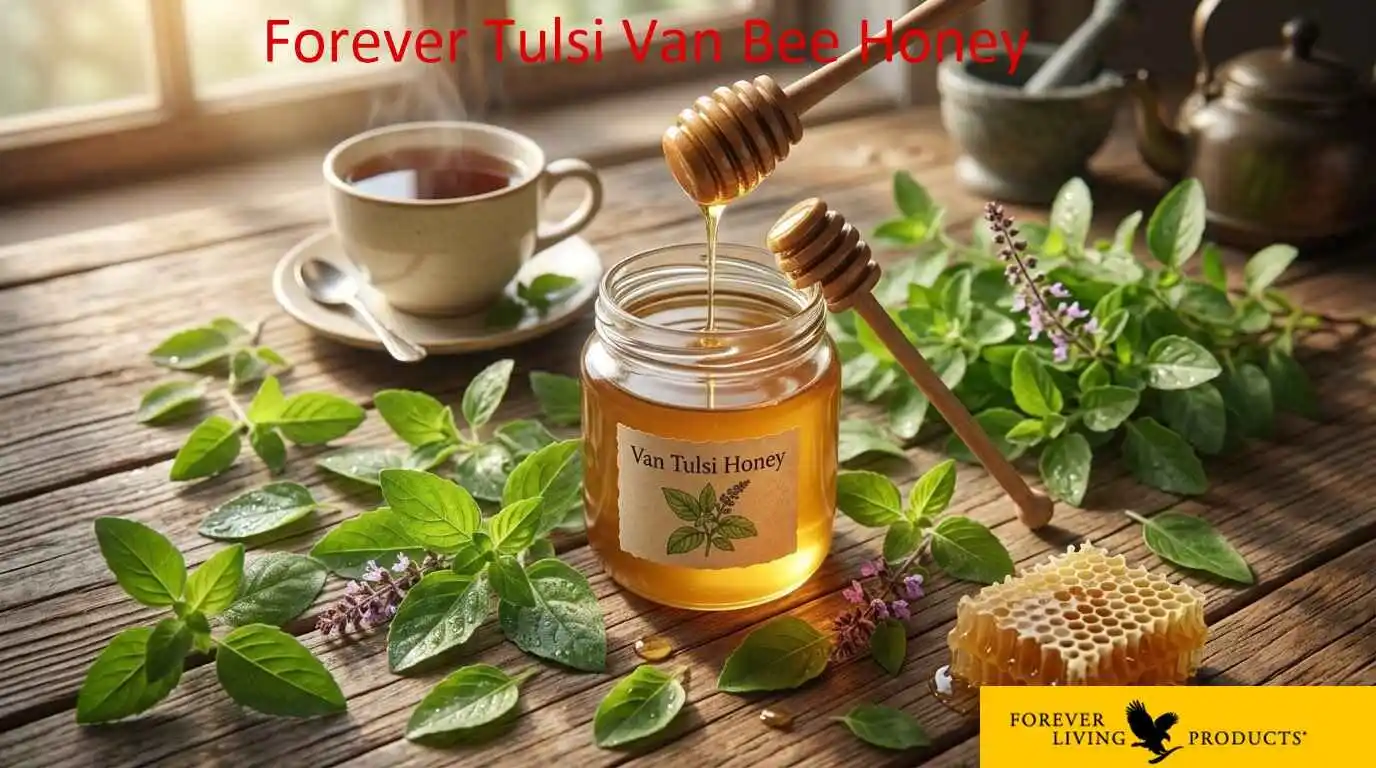
Forever Tulsi Van Bee Honey: Unleash Unstoppable Daily Energy With This Sacred Honey
Picture this. It’s 6:30 in the morning. The alarm has just gone off for the second time because you swatted the first one silent. You shuffle into the kitchen, open the cupboard, and reach for the same sugar bowl you’ve reached for every morning of your adult life. Two spoons into your tea. One into your oatmeal. A dusting over your toast. By noon, you’ve spooned down roughly 20 teaspoons of refined sugar without ever tasting a single one of them.
You don’t feel great. You haven’t felt great in a while, honestly. A little foggy. A little flat. The afternoon slump hits harder than it used to, the seasonal cold lingers a week longer than it should, and the low-grade stress you carry around like a second backpack never quite lifts. You’ve blamed work, the weather, getting older. You’ve never once blamed the sugar bowl.
That’s the quiet part nobody talks about. We obsess over what we eat for dinner — the organic this, the gluten-free that — and then sweeten our mornings with something stripped of every single nutrient the plant originally had. Refined sugar is calories and nothing else. No enzymes. No minerals. No antioxidants. No story. Just sweetness, delivered bluntly, followed by a crash.
Now imagine swapping that bowl for something that does the opposite. Something sweet, yes, but also alive — carrying enzymes, antioxidants, trace minerals, and the aromatic fingerprint of a herb so revered in Indian households that families keep a living plant in their courtyard and bow to it each morning. That something is Van Tulsi honey — a single-flora honey made when bees collect nectar almost exclusively from wild holy basil blossoms. Not infused. Not flavored. Made by the bees themselves, the way nature intended.
This is the story of Forever Tulsi Van Bee Honey: what it is, where it comes from, why the combination of sacred Tulsi and raw honey is more than the sum of its parts, and how swapping it into your daily routine might be the smallest, easiest upgrade you make to your health this year. I’ll walk you through the science (without making your eyes glaze over), the traditions, the practical ways to use it, and the honest limitations — because no single food is a magic wand, and pretending otherwise helps no one.
Let’s get into it.
What Exactly Is Van Tulsi Honey? (And Why “Single Flora” Matters)
The Bee Behind the Bottle
Most natural honey on supermarket shelves is what beekeepers call “multifloral” — a blend of whatever nectar the bees happened to find that week. Clover one day, wildflower the next, a bit of mustard from the neighboring field. It’s fine. It’s sweet. But it’s generic, the way a mixed-fruit jam is fine but tells you nothing about where it came from.
Single flora honey is different. It’s honey made when bees forage predominantly — usually 45% or more — from one type of flower. The beekeeper places the hives in a region where that specific plant is flowering in abundance, times the harvest to that bloom, and the result is a honey that carries the distinct chemical and aromatic signature of that one blossom. Think of it like single-origin coffee or varietal wine. The terroir shows up in the taste.
In the case of Van Tulsi honey, that blossom is Ocimum tenuiflorum — wild holy basil, also called Van Tulsi or “forest tulsi.” This is the untamed cousin of the tulsi plant you might know from an Indian kitchen garden. It grows wild in forested regions and Himalayan foothills, particularly in Uttarakhand, and its tiny flowers are a magnet for bees. When those bees turn that nectar into honey, what you get is a light, golden honey with an unmistakable herbal aroma — sweet, but with an earthy, almost peppery finish that plain honey never has.
Not Infused — Grown That Way
This distinction matters more than you’d think. A lot of “tulsi honey” on the market is just regular honey with tulsi extract or flavoring stirred in afterward. The bees had nothing to do with the tulsi. It’s a shortcut.
True holy basil honey of the single-flora kind is different. The bees collect nectar from the tulsi flowers themselves, and the honey carries the bioactive compounds of the plant — compounds like eugenol, rosmarinic acid, and flavonoids — because they were present in the nectar from the start . You’re not eating honey with tulsi added. You’re eating honey that is tulsi, transformed by bees.
That transformation is remarkable. A beehive is essentially a tiny, humming chemistry lab. Worker bees collect nectar, store it in a special “honey stomach,” and on the flight back to the hive begin breaking down the sucrose into simpler sugars using enzymes in their saliva. Back at the hive, other bees take over, fanning the nectar with their wings to evaporate water until the sugar concentration is high enough to preserve — around 17% water. Then they cap the cell with wax. The whole process turns a thin, watery nectar into a stable, dense, golden food that can last literally centuries without spoiling.
When the source nectar is tulsi, the finished honey inherits the plant’s character. The aroma, the bioactive profile, the subtle medicinal quality — all of it comes through. It’s one of the cleanest examples of nature doing the blending for you, and doing it better than any human process could.
Why the “Van” in Van Tulsi Is Worth Knowing
“Van” simply means forest or wild in Hindi. Van Tulsi, then, is wild forest holy basil — the plant growing on its own terms, not cultivated in rows. For people who care about where their food comes from, this matters. Wild-harvested plants tend to grow in richer, more biodiverse soil, without agricultural inputs, and they develop more complex phytochemical profiles precisely because they’re stress-tested by their environment. A tulsi plant that has to fend for itself in a forest produces more of the protective compounds that also happen to benefit us — antioxidants, antimicrobials, adaptogens.
So when a bottle of Forever Tulsi Van Bee Honey says “single flora — Van Tulsi” and “country of origin: India,” what it’s really telling you is that this honey began in a wild Indian forest, was gathered by bees from holy basil blossoms, and was harvested by beekeepers using traditional methods that keep it raw and nutrient-rich [2]. That’s a supply chain with a soul.
https://foreverliving.com/ind/en-us/home
Need this product , Open the above site, click join , enter your details , (No need to furnish any ID now ) use sponsor ID 910707421238 create your FBO ID, down load the app Forever in your mobile and order from the store.
The Two Powerhouses: Tulsi and Honey, Separately and Together
To understand why this particular honey is worth your attention, you have to understand the two ingredients that make it — and why putting them together is genuinely synergistic, not just clever marketing.
Tulsi: The Sacred Herb With Real Science Behind It
Tulsi isn’t revered by accident. For thousands of years it’s been a cornerstone of Ayurvedic practice, and modern research has spent the last decade confirming that the traditional claims aren’t folklore — they’re biochemistry. A review of more than a hundred published studies catalogued tulsi’s documented effects: adaptogenic, immunomodulatory, anti-inflammatory, antioxidant, antimicrobial, hepatoprotective, and even antidiabetic, among others.
Let’s unpack the three that matter most for everyday wellness:
- Adaptogen. An adaptogen is a substance that helps the body cope with stress — not by sedating you, but by modulating your stress response so it doesn’t overreact or underreact. Tulsi appears to help regulate cortisol and support the nervous system, which is why it’s long been used to promote a sense of calm. In a world where “stressed” is the default answer to “how are you,” an adaptogen you can eat daily is quietly valuable.
- Immune booster. Tulsi is packed with antioxidants and has documented antimicrobial properties that can help the body fight off infections [3]. Clinical studies on tulsi as a single intervention have shown benefits across metabolic disorders, mood, and immunity and infections. It’s not a replacement for sleep or a flu shot, but as a daily immune-supportive herb, the evidence is solid.
- Respiratory support. This is the one your grandmother was right about. Tulsi has a long history of use for coughs, colds, and congestion, and the science backs it up — its anti-inflammatory and antimicrobial action appears to soothe airways and support respiratory function A spoon of Tulsi honey in warm water at the first sign of a scratchy throat is one of those old-school remedies that actually has legs.
Honey: More Than Just Sweet
We tend to think of honey as “nature’s sugar,” which undersells it badly. Raw antioxidant honey is a complex food — it contains flavonoids and polyphenols (plant compounds with anti-inflammatory and antioxidant effects), trace enzymes, amino acids, vitamins, and minerals. A comprehensive review of 48 clinical trials found that honey intake showed more beneficial effects than not on cardiovascular and metabolic risk factors, glucose tolerance, and even cough in children — especially when it replaced other sweeteners.
Importantly, honey is sweeter than refined sugar, gram for gram, because it’s higher in fructose. That means you need less of it to reach the same level of sweetness . So when you use honey as a honey substitute for sugar, you’re getting more sweetness per spoon, plus a bundle of bioactives that refined sugar simply doesn’t carry. It’s a genuine upgrade, not a lateral move.
And here’s the thing about single-flora honeys specifically: their polyphenol profiles — and therefore their antioxidant activity — vary by the flower source. A honey made from tulsi nectar carries tulsi’s particular constellation of beneficial compounds. You’re not just getting “honey benefits.” You’re getting tulsi benefits, delivered in a form your body readily absorbs.
The Synergy: Why Together Is Better
This is where it gets elegant. Tulsi and honey each do good things on their own, but together they’re complementary in ways that matter:
- Taste and compliance. Tulsi on its own is bitter and herbal — not something most people will eat by the spoon daily. Honey makes it palatable, even pleasurable. The best supplement in the world is worthless if you won’t take it.
- Antimicrobial stacking. Both honey and tulsi have documented antimicrobial properties. Together they create what one source calls “a powerful shield against common infections”.
- Soothing + adaptogenic. Honey coats and soothes the throat; tulsi calms the system. For a stress-and-scratchy-throat combo, it’s a one-two punch.
- Antioxidant density. You’re getting the polyphenols from honey and the flavonoids, eugenol, and rosmarinic acid from Tulsi in every spoon. It’s an antioxidant double-down.
The bottom line: this isn’t just honey that tastes a bit like tulsi. It’s a functional food where the two ingredients genuinely enhance each other. That’s the whole pitch, and it’s a good one.
The Real-World Benefits: What One Spoon a Day Can Actually Do
Let’s get practical. You’re not buying honey to read about phytochemistry — you’re buying it to feel better. So here’s an honest rundown of what daily use of Tulsi honey benefits looks like in real life, based on the traditional use and the research behind both ingredients.
1. A Gentler Sweetness That Doesn’t Crash You
The most immediate change most people notice is simply feeling steadier through the morning. Refined sugar spikes your blood glucose fast and drops it just as fast — that’s the crash. Honey, because it’s a mix of glucose and fructose, raises blood sugar more gradually. Used as an adaptogen honey-style daily sweetener in tea, oatmeal, or warm water, it takes the edge off without the roller coaster.
A practical tip: if you normally use two teaspoons of sugar, start with one and a half of this honey. It’s sweeter, so you’ll likely find that’s enough. Adjust from there. Most people end up using less total sweetener within a week.
2. Immune Support You Don’t Have to Think About
The immune-supportive side of tulsi is well documented, and honey itself has immunomodulatory effects. The realistic promise isn’t “you’ll never get sick.” It’s “your baseline immune resilience is a little higher, and the seasonal cold you do catch might be shorter and milder.” That’s not nothing. Over a year, it adds up.
Here’s a simple daily habit: one spoon of immune booster honey in warm (not hot — heat degrades the enzymes) water first thing in the morning. Tulsi’s antimicrobial and anti-inflammatory compounds go to work, the honey coats and soothes, and you’ve started your day with something supportive instead of something depleting.
3. Stress and Calm, Served Sweet
Tulsi’s adaptogenic cred is one of its best-supported benefits . An adaptogen doesn’t knock you out; it helps your system find equilibrium. People who take tulsi regularly often report feeling less reactive, less frayed at the edges. Honey contributes its own calming properties — one source notes the combination helps lower cortisol and promote mental clarity .
Again, this isn’t a tranquilizer. It’s a gentle, cumulative effect. Think of it as one less straw on the camel’s back, every day.
4. Respiratory Relief When You Need It
When a cold hits, this is where tulsi honey earns its keep. Tulsi is traditionally used for coughs, congestion, and bronchial irritation, and the science supports its role in respiratory health . Honey on its own is a recognized cough soother — the clinical review mentioned earlier found honey beneficial for cough in children.
The move: a spoon of Van Tulsi honey in warm water with a squeeze of lemon, two or three times a day at the first sign of a sore throat or tickle. It coats, it soothes, and the tulsi gets to work on the inflammation. It’s the remedy your grandmother prescribed, and she wasn’t guessing.
5. A Cleaner Digestive Sweetener
Honey has a long Ayurvedic history of supporting digestion, and tulsi is noted for anti-inflammatory and digestion-regulating effects. Swapping refined sugar — which feeds the wrong gut bacteria — for honey is a small but meaningful shift toward a happier gut.
A Quick Reference Table
|
Benefit |
What It Looks Like |
How to Use |
|
Steadier energy |
Less afternoon crash |
Replace sugar in morning tea/coffee |
|
Immune support |
Fewer/milder colds |
1 spoon in warm water, AM |
|
Stress resilience |
Less reactive, calmer |
Daily, consistent use |
|
Respiratory relief |
Soother throat, clearer airways |
In warm water + lemon when sick |
|
Digestive ease |
Less bloating, better regularity |
Swap sugar in oatmeal, yogurt |
https://foreverliving.com/ind/en-us/home
Need this product , Open the above site, click join , enter your details , (No need to furnish any ID now ) use sponsor ID 910707421238 create your FBO ID, down load the app Forever in your mobile and order from the store.
How to Use It: Practical, Everyday Ways to Get It Into Your Life
This is the part that usually gets glossed over, and it shouldn’t. A jar of amazing honey that sits in the back of your cupboard does you no good. Here are concrete, tested ways to make Forever Tulsi Van Bee Honey a daily habit.
The Morning Ritual (Easiest Entry Point)
- Warm water + 1 tsp Tulsi honey + squeeze of lemon. Sip before breakfast. This is the classic, and for good reason — it’s the fastest way to get the adaptogenic and immune benefits daily. Use warm, not boiling, water; high heat kills honey’s enzymes and degrades the bioactives.
- In your tea or coffee. Replace your usual sugar. Start with less than you think you need — it’s sweeter.
- Drizzled over oatmeal or yogurt. A teaspoon over plain oatmeal with some nuts is a genuinely good breakfast that doesn’t need any other sweetener.
The Remedy Drawer (When Something’s Coming On)
- Sore throat: 1 tsp straight, let it dissolve slowly in the mouth, or stir into warm water with lemon. Repeat 2–3 times a day.
- Cough/congestion: Tulsi honey in warm water, plus a few fresh tulsi leaves if you have a plant. The combination is a traditional cold-season staple for a reason.
- After a heavy meal: A small spoon can help settle the stomach and support digestion.
The Kitchen (Where Flavor Lives)
This is where single-flora honey gets fun. Van Tulsi honey’s herbal, slightly peppery finish makes it more interesting than plain honey in cooking:
- Marinades and glazes: A spoon in a ginger-soy marinade for chicken or tofu adds depth, not just sweetness.
- Salad dressings: Honey + lemon + mustard + olive oil is a classic vinaigrette; use Tulsi honey and the herbal note lifts it.
- Over roasted vegetables: Carrots or sweet potatoes with a drizzle of Tulsi honey and a pinch of salt is a side dish that tastes like more than the sum of its parts.
- In baking: Swap sugar for honey (use about 3/4 the volume and reduce other liquids slightly). The tulsi aroma comes through beautifully in simple things like honey cake or oat cookies.
Storage and Handling Tips
- Keep it raw. Don’t heat it above ~40°C (104°F). If you bake with it, you’ll lose some bioactives — that’s fine, you’re cooking, not dosing. But for the daily wellness spoon, keep it raw.
- Crystallization is normal. Raw honey crystallizes over time; it’s a sign of quality, not spoilage. Place the jar in warm water to reliquefy. Don’t microwave — that destroys the good stuff.
- Use a clean, dry spoon. Moisture and crumbs introduce bacteria that can ferment the honey.
- Store in a cool, dark place. A cupboard is better than a sunny windowsill.
Dosing: How Much, How Often?
There’s no official “dose,” but a reasonable daily amount for wellness benefits is 1–2 teaspoons. More isn’t better — honey is still a sugar, and the Cleveland Clinic rightly notes that even with its health qualities, it’s an added sugar and should be used in moderation . Think of it as a daily upgrade, not an all-you-can-eat pass.
Buying Smart: How to Tell Real Van Tulsi Honey From the Pretenders
This section exists because the honey market is, frankly, a mess. Adulteration is widespread, and “tulsi honey” labels get slapped on everything from genuine single-flora jars to cheap honey with flavoring added. Here’s how to protect yourself.
What to Look For
- “Single flora” or “monofloral” on the label — and ideally the specific flower named (Van Tulsi / wild holy basil).
- “Raw” or “unprocessed” — pasteurization kills the enzymes. You want raw.
- Origin transparency — a region (e.g., Uttarakhand, Himalayan foothills) and “country of origin: India” tell you it’s the real deal.
- NMR or lab certification — some quality producers certify their honey with NMR (nuclear magnetic resonance) testing to prove no adulteration and verify origin. It’s a strong signal of a serious producer.
- An herbal aroma you can actually smell — real Van Tulsi honey has a distinct herbal, slightly peppery nose. If it smells like nothing, it’s probably not single-flora tulsi.
Red Flags
- “Tulsi-flavored” or “infused” — this means tulsi was added to plain honey, not gathered from tulsi nectar. Different product.
- No origin information — generic “honey” with a tulsi label is a warning sign.
- Suspiciously cheap — real single-flora honey, harvested from wild forest blossoms by traditional beekeepers, costs more to produce. If the price looks too good, it probably is.
- Perfectly clear and runny forever — raw honey tends to cloud and crystallize. A honey that stays glass-clear indefinitely may be over-processed.
The Honest Take on Price
You’ll pay more for genuine organic honey India-sourced single-flora Van Tulsi honey than for a squeeze bear of generic honey. That’s appropriate — it reflects a shorter, more careful supply chain, wild harvesting, and smaller batches. Think of it as you’d think about single-origin coffee or cold-pressed olive oil: a small premium for a meaningfully better product, used in small daily amounts. A jar lasts a while when you’re using a teaspoon at a time.
https://foreverliving.com/ind/en-us/home
Need this product , Open the above site, click join , enter your details , (No need to furnish any ID now ) use sponsor ID 910707421238 create your FBO ID, down load the app Forever in your mobile and order from the store.
FAQs
- What is Van Tulsi honey?
It’s a single-flora honey made when bees collect nectar predominantly from wild holy basil (Van Tulsi) flowers. The honey naturally carries the aroma and bioactive compounds of tulsi — it’s not infused or flavored afterward.
- Is Van Tulsi honey the same as tulsi-infused honey?
No. Infused honey is plain honey with tulsi extract added. True Van Tulsi honey is made by bees from tulsi nectar, so the tulsi compounds are part of the honey itself.
- What does Van Tulsi honey taste like?
It’s sweet with a distinct herbal, slightly peppery, earthy finish — the signature of holy basil. Lighter and more aromatic than regular honey.
- Where does Van Tulsi honey come from?
It’s harvested from wild holy basil plants in forested regions of India, particularly the Himalayan foothills of Uttarakhand.
- Is Forever Tulsi Van Bee Honey 100% natural?
Yes — the product is described as 100% natural honey, single-flora from Van Tulsi blossoms.
- Can I use it as a sugar substitute?
Absolutely. It’s sweeter than refined sugar, so you need less, and it carries antioxidants and enzymes that sugar doesn’t. It’s an ideal honey substitute for sugar.
- How much should I have per day?
1–2 teaspoons daily is a sensible wellness amount. Honey is still a sugar, so moderation matters.
- Does heating honey destroy its benefits?
High heat degrades honey’s enzymes and bioactive compounds. For wellness use, add it to warm (not boiling) water or food. Cooking with it is fine but loses some benefits.
- Is Van Tulsi honey good for immunity?
Yes. Both tulsi and honey have documented immune-supportive and antimicrobial properties, making this a genuine immune booster honey.
- Can it help with stress?
Tulsi is a known adaptogen that helps the body manage stress, and honey has calming properties. Regular use may support a sense of calm.
- Is it good for coughs and sore throats?
Yes — this is one of its strongest traditional uses. Honey soothes the throat, and tulsi supports respiratory health.
- Can children have Van Tulsi honey?
Children over 1 year can have honey. Honey should never be given to infants under 12 months due to the risk of infant botulism.
- Is it safe during pregnancy?
Tulsi in small culinary amounts is generally considered fine, but high medicinal doses of tulsi aren’t well studied in pregnancy. Consult your doctor.
- Can diabetics have this honey?
Honey affects blood sugar, though often less sharply than refined sugar. Diabetics should treat it as they would any sweetener and consult their doctor.
- Does Van Tulsi honey contain antioxidants?
Yes — it’s rich in polyphenols, flavonoids, and tulsi-specific compounds like eugenol and rosmarinic acid, making it a potent antioxidant honey [1].
- Why is it called “single flora” honey?Because the bees gathered nectar predominantly from one flower type — Van Tulsi — giving the honey a distinct chemical and flavor profile .
- How is it different from regular honey?
Regular (multifloral) honey is a blend of many nectars. Single-flora Van Tulsi honey carries the specific aroma and bioactives of holy basil.
- Will it crystallize?
Raw honey often crystallizes over time — this is natural and a sign of quality. Warm the jar in water to reliquefy; don’t microwave.
- How should I store it?
In a cool, dark place, sealed, with a clean dry spoon. Avoid sunlight and moisture.
- Is it organic?
Look for organic certification on the specific product. Wild-harvested from forest regions is often effectively organic even without the label.
- Can I cook with it?
Yes — its herbal notes are great in marinades, dressings, and baking. Just know that heat reduces some bioactive benefits.
- Is it better than regular honey?
For the tulsi-specific benefits — adaptogenic, respiratory, immune — yes. For plain sweetening, any raw honey works; this one adds the tulsi dimension.
- How do I know it’s genuine?
Look for “single flora,” raw, origin (India/Uttarakhand), and ideally NMR certification. A real herbal aroma is a good sign.
- Can I have it on an empty stomach?
Yes — a spoon in warm water first thing in the morning is a common and well-tolerated way to take it.
- Does it help with digestion?
Both tulsi and honey have traditional and documented digestive-support properties.
- Is it good for the skin?
Tulsi’s anti-inflammatory and antioxidant properties can support skin health, and honey is moisturizing. Some people use it in face masks, but daily consumption also helps from the inside.
- Can I use it daily long-term?
Yes — daily, moderate use is the intended use and is how you get the cumulative adaptogenic and immune benefits.
- Is Van Tulsi the same as regular kitchen tulsi?
They’re closely related (both Ocimum species), but Van Tulsi is the wild forest variety, which often has a richer phytochemical profile.
- Does it expire?
Honey effectively doesn’t spoil if stored properly — it’s one of the few foods that can last indefinitely. Use-by dates are about quality, not safety.
- Where can I buy genuine Van Tulsi honey?
Look for reputable producers that source from Indian forest regions, label it single-flora and raw, and ideally offer certification. Forever Tulsi Van Bee Honey is one such product.
The Smallest Upgrade With the Longest Reach
Here’s the thing about health advice that actually sticks: it’s rarely about adding more. It’s about swapping. You’re going to sweeten your tea anyway. You’re going to have something on your toast anyway. You’re going to reach for something soothing when your throat scratches anyway. The question isn’t whether to have a sweetener — it’s whether that sweetener does something for you or just takes up space.
Forever Tulsi Van Bee Honey is one of those rare products that turns a reflex into a ritual. Every spoon carries the adaptogenic calm of Tulsi, the immune and antimicrobial muscle of holy basil, the antioxidant richness of raw honey, and the clean sweetness of something made by bees from wild forest blossoms — not by a refinery from stripped-down sucrose. It’s a small jar that holds a big idea: that the things we consume daily should give back, not just take.
No single food will fix your life. This honey won’t cancel out a terrible diet, a sleep deficit, or a stress level that’s through the roof. But it’s a genuine, evidence-backed upgrade at the exact spot where most people are making their worst daily choice — the sugar bowl. Replace that one habit, keep it consistent, and you’ve quietly improved your mornings, your immune baseline, and your relationship with sweetness all at once.
Your call to action: Try the swap for 30 days. Move the sugar bowl to the back of the cupboard and put a jar of Forever Tulsi Van Bee Honey where you’ll see it each morning. One spoon in your tea. One in warm water. One over your oatmeal. Pay attention to how you feel by the end of the month — the steadier energy, the calmer edge, the fewer sniffles. That’s not magic. That’s what happens when you stop fueling yourself with emptiness and start choosing something with a story, a scent, and a few thousand years of reverence behind it. Your body knows the difference. Give it the chance to show you.
Disclaimer : Forever Living products are under Health supplement / Nutraceutical categories. The product is not intended to diagnose, prevent, treat or cure any disease. Consult your medical care practitioner or dietitian in case of pregnancy, lactation or if on any medication. NOT FOR MEDICINAL USE. Do not exceed the stated recommended daily usage. Store out of the reach of children in a cool, dry place. Please refer individual product label for further details.
https://foreverliving.com/ind/en-us/home
Need this product , Open the above site, click join , enter your details , (No need to furnish any ID now ) use sponsor ID 910707421238 create your FBO ID, down load the app Forever in your mobile and order from the store.


7 food myths dietitians wish people would stop believing
There is evidence that the food industry designs ultra-processed foods to be highly rewarding, to maximize craveability and to make us want more...


Tired of the 3 PM Crash? Try Forever Bee Honey Instead
There is evidence that the food industry designs ultra-processed foods to be...




Leave a comment