
What They Never Warned You About Forever Vitolize Men
There is evidence that the food industry designs ultra-processed foods to be highly rewarding, to maximize craveability and to make us want more and more and more
 sundarammurali2@gmail.comJune 5, 202419 Mins read110
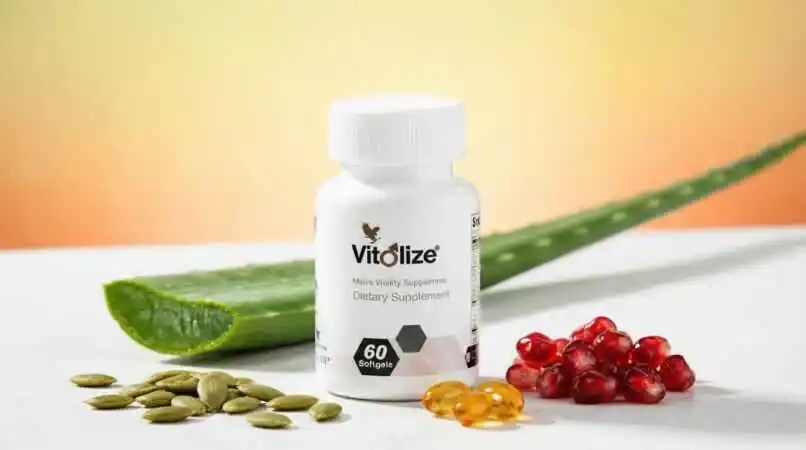
Nobody Warned Me about the 2 AM Bath room Trips: A Real- World Guide to Forever Vitolize Men
It usually starts small. You’re 51, you wake at 2 a.m., and you pad down the hallway for the second time this week. Or you notice you’ve started planning every road trip around rest stops. Or a friend your age mentions, a little too casually, that his doctor wants to “keep an eye on his prostate,” and the whole table goes quiet in that way men’s tables do.
Most of us were raised to treat our bodies like company trucks. Keep them running, don’t ask questions, deal with the breakdown when it happens. That approach holds up until about forty. After that, maintenance starts to matter more than horsepower.
This guide is about one piece of that maintenance: nutrition built specifically for men. We’re going to look closely at Forever Vitolize Men, a soft gel supplement from Forever Living designed around natural prostate support, healthy testicular function and urinary comfort. We’ll go ingredient by ingredient, talk about what the research does and doesn’t say, build a sensible daily routine, and be straight about the limits of any supplement. Whether you’re 38 and thinking ahead or 62 and tired of guessing, you should finish this with a clear picture.
One note before we start. This is educational content, not medical advice. The product is a dietary supplement and is not intended to diagnose, treat, cure or prevent any disease. Think of what follows as a well-informed friend reading the label with you, one who will also tell you when it’s time to book a doctor’s appointment.
Why Men Need Nutrition That Isn’t Borrowed From Somebody Else’s Label
Walk down any supplement aisle and the pattern is obvious. There’s the general multivitamin, then a women’s formula, then a “50+” version, and if you’re lucky, one lonely shelf for men. Most guys grab the general bottle, tick the box in their head, and move on.
The one-size-fits-all gap
A standard multivitamin is written for an average adult who doesn’t really exist. Men and women differ in ways nutrition cares about. Men typically carry more lean muscle, have different mineral needs (iron is the classic example, since most men need far less of it than premenopausal women), and, obviously, have a prostate and testes that draw on specific nutrients. Zinc, selenium and vitamin D are a few of them. A general formula may include those in modest amounts, or in forms that weren’t chosen with men’s tissues in mind.
A men-focused formula flips the logic. Instead of covering everybody a little, it spends its space on the nutrient’s men have particular reasons to care about. That’s the idea behind men’s health vitamins as a category, and it’s the design philosophy Forever describes for Vitolize: a product built “from the ground up exclusively for men.”
What actually changes after 40 and 50
Nothing dramatic happens on your fiftieth birthday, but several slow shifts tend to stack up around the same time:
- The prostate gradually grows. For many men this is a normal part of aging, and it often becomes noticeable in the fifties.
- Hormones drift. Testosterone typically declines slowly across adulthood, which is one reason men start paying attention to energy, muscle and general vitality.
- Nutrient status slips. Less time in the sun, a smaller appetite, and changes in absorption can leave men short on things like vitamin D without anyone noticing.
- Bathroom habits change. More night-time trips and a flow that feels less forceful are among the most commonly reported complaints.
None of that means something is wrong. It means the body’s needs are shifting, and the diet that carried you through your thirties may need some backup. That’s especially true for prostate health over 50, which Forever calls out as a priority for many adult men.
Prostate minus the awkwardness
The prostate is a walnut-sized gland that sits just below the bladder. It makes some of the fluid that carries and nourishes sperm. The detail that matters for daily life is its position: it wraps around the urethra, the tube that carries urine out of the body. When the gland grows, it can squeeze that tube, much like pinching a garden hose. The result is a weaker stream, more frequent trips, or the feeling that the bladder never quite empties.
This is remarkably common. By widely cited estimates, around half of men in their fifties have some degree of benign enlargement, and the share climbs with each decade. Benign is the key word, and its good news. But common doesn’t mean ignorable, and that’s a thread we’ll keep pulling on throughout this post.
After forty, maintenance starts to matter more than horsepower.
| THE TAKEAWAY
A changing prostate is usually part of normal aging, and nutrition is one of the things within your control. But any new or worsening urinary symptom deserves a conversation with a doctor, whatever supplement is sitting on your kitchen counter. |
Inside the Soft gel: What Forever Vitolize Men Actually Contains
Forever describes Vitolize as a balanced blend of vitamins, botanicals and minerals, selected to support the prostate naturally. It’s easiest to understand if you split the formula into two teams: the nutrient core and the botanical trio. Let’s take them one at a time.
Team one: vitamins C, D, E, selenium and zinc
Forever notes that vitamins C, D and E, lycopene, selenium and zinc have all been shown to help promote a healthy prostate. Here’s what each one brings to the table.
- Vitamin C. A water-soluble antioxidant that helps the body manage oxidative stress and supports normal immune function. Most people think of oranges, but bell peppers and kiwi pack more per serving.
- Vitamin D. Often called the sunshine vitamin. It supports bones, muscles and the immune system, and plenty of adults, especially those who work indoors or live far from the equator, run low without realizing it.
- Vitamin E. A fat-soluble antioxidant that helps protect cell membranes. It’s found in nuts, seeds and plant oils, and it travels well in an oil-based soft gel.
- A trace mineral that the body uses to build antioxidant enzymes. It’s also linked to normal sperm formation, which is part of why it shows up in a men’s formula.
- If there’s a headline mineral for men, this is it. The prostate holds some of the highest zinc concentrations of any soft tissue in the body. Zinc also supports immune function and is associated with the maintenance of normal testosterone levels.
Team two: lycopene oil, Pygeum and pumpkin seed oil
This is where the formula gets its botanical character, and where Forever says the ingredients help maintain a healthy urinary flow. The combination of lycopene, Pygeum and pumpkin seed oil is the part most men have never heard of, so it’s worth a closer look.
- Lycopene oil. Lycopene is the red-orange pigment in cooked tomatoes, watermelon and pink grapefruit. It’s a carotenoid antioxidant, it’s fat-soluble, and it has been found to concentrate in prostate tissue. That’s exactly why it’s delivered in oil form here.
- An extract from the bark of the African cherry tree (Prunus Africana). It has a long traditional history in Africa and a following in European herbal practice for urinary comfort. The research is a mixed bag, so treat it as traditional support, not a cure-all.
- Pumpkin seed oil. Pressed from the seeds of the pumpkin plant, it carries plant sterols, healthy fats and vitamin E. Pumpkin seeds have been eaten for generations in parts of Europe and the Americas, often with male urinary health in mind.
| Ingredient | Type | What it is known for | Everyday food sources |
| Vitamin C | Vitamin | Antioxidant, immune support | Citrus, bell peppers, kiwi |
| Vitamin D | Vitamin | Bones, muscles, immune function | Sunlight, oily fish, eggs |
| Vitamin E | Vitamin | Antioxidant protection of cell membranes | Almonds, sunflower seeds |
| Selenium | Mineral | Antioxidant enzymes, normal sperm formation | Brazil nuts, fish, eggs |
| Zinc | Mineral | High concentration in prostate, immune function | Oysters, beef, chickpeas |
| Lycopene oil | Botanical | Carotenoid antioxidant found in prostate tissue | Cooked tomatoes, watermelon |
| Pygeum | Botanical | Traditional use for urinary comfort | Not a food source |
| Pumpkin seed oil | Botanical | Plant sterols, fats and vitamin E | Pumpkin seeds |
Why a soft gel?
It’s a fair question, since soft gels cost more to make than tablets. The answer is in the chemistry. Vitamin D, vitamin E and lycopene all dissolve in fat, not water. Suspending them in oil inside a soft capsule keeps them in a form the body can handle comfortably. Forever also describes the soft gel as easily digestible, which matters if you’ve ever choked down a chalky horse-pill of a tablet. For a daily habit you plan to keep for months, comfort counts.
Gluten free, and who stands behind it
Vitolize is labelled gluten free, which is genuinely useful for men who avoid gluten for medical or personal reasons. As always, read the full ingredient and allergen panel on your own pack, because that’s the authoritative source.
On transparency, the label gives the details you’d want. The product is manufactured by Forever Nutraceutical LLC of Phoenix, Arizona, with Elevate Health Sciences of Provo, Utah listed as a manufacturer as well, and it’s made for Aloe Vera of America, Inc. in Dallas, Texas. Country of origin is the USA. It sits in the health supplement and nutraceutical category, so it should be viewed as part of Forever Living supplements for men, not a medicine.
Where the Formula Fits: Prostate, Testicular and Urinary Health
Three goals sit at the heart of this product. It helps to look at each separately, because the nutrients involved overlap in interesting ways.
Prostate support: the antioxidant angle
Every cell in your body deals with oxidative stress, the everyday wear and tear caused by normal metabolism, pollution, smoking and a poor diet. Prostate cells are no exception. Vitamins C and E, selenium and lycopene are all antioxidants, each working in a slightly different part of the cell. Think of them as a maintenance crew with different tools, not one hero ingredient.
Zinc and vitamin D play different roles. Zinc is deeply involved in the prostate’s own chemistry, and vitamin D receptors are found in prostate tissue, which is why researchers keep studying the link. Put together, you get a men’s prostate support supplement built on the principle of covering several bases at once instead of betting on a single compound.
Notice the careful wording. Forever says these nutrients help promote a healthy prostate. That’s support language, and it’s the right framing. Supplements can contribute to the foundation. They don’t repair or treat a medical condition.
Healthy testicular function
This is the part of men’s health that rarely gets discussed over dinner, yet it’s central to how Vitolize is positioned. The formula is described as helping to promote healthy testicular function, and the nutrient logic is straightforward.
- Zinc and selenium are both tied to normal reproductive function. Zinc is associated with maintaining normal testosterone levels, and selenium with normal sperm formation.
- Vitamin D receptors appear in reproductive tissue, and low vitamin D status is common enough that it’s worth caring about.
- Vitamins C and E are antioxidants, and the testes are metabolically active tissue that benefits from antioxidant protection.
A realistic expectation matters here. This is support for healthy function, not a fertility treatment and not a testosterone booster. Men who are trying to conceive, or who have symptoms like persistent fatigue, low drive or testicular pain, should see a doctor rather than rely on a supplement to sort it out. Lifestyle factors count too: smoking, heavy drinking, extended heat exposure and chronic poor sleep all work against healthy function, and no soft gel cancels them out.
Urinary comfort and a healthy flow
This is the benefit that men notice first, because you can’t ignore a night that’s interrupted three times. Forever’s description credits lycopene oil, Pygeum and pumpkin seed oil with helping maintain a healthy urinary flow. The key word is maintained. The idea is to support what’s working, not to promise a dramatic reversal.
Supplements work best alongside habits, and a few small ones make a real difference to night-time trips:
- Front-load your fluids. Drink more earlier in the day and ease off in the two to three hours before bed.
- Watch the evening caffeine and alcohol. Both irritate the bladder and increase urine output.
- Try “double voiding”: go, wait a few seconds, and try again before leaving the bathroom.
- Keep moving. Regular walking is one of the simplest things a man can do for his urinary and prostate health.
| Goal | Nutrients in the formula | Daily habits that pull the same way |
| Prostate support | Vitamins C, D, E, selenium, zinc, lycopene oil | Cooked tomatoes, plenty of vegetables, regular exercise |
| Healthy testicular function | Zinc, selenium, vitamins D, C and E | Sleep, no smoking, moderate alcohol, avoid prolonged heat |
| Healthy urinary flow | Lycopene oil, Pygeum, pumpkin seed oil | Front-loaded fluids, less evening caffeine, double voiding |
Making I Work: A Practical Daily Routine
Buying the bottle is the easy part. The difference between a supplement that helps and one that gathers dust in the cupboard is almost always routine. Here’s how to set it up properly.
Step by step
- Read the label first. Check the ingredient list and warnings on your own pack. If you take any prescription medication, run it by your doctor or pharmacist before starting.
- Take two soft gels daily. That’s the label’s instruction for the dietary supplement. Don’t exceed the recommended daily usage; more is not better with minerals like zinc and selenium.
- Pair it with a meal. The label doesn’t demand it, but vitamin D, vitamin E and lycopene are fat-soluble, so many people find taking them with food that contains some fat works well and sits easier on the stomach.
- Anchor it to a habit. Put the bottle next to the coffee maker or beside your toothbrush. A cue you already follow beats a reminder you’ll ignore.
- Add up your other supplements. Many multivitamins already contain zinc, selenium and vitamin E. Stacking them on top of Vitolize can push intake higher than you intended.
- Give it time. Nutrition works slowly. Judge it over weeks and months, not days, and keep a simple note of things like night-time trips and general energy.
- Store it properly. A cool, dry place, out of the reach of children.
A sample day
| When | What | Why it helps |
| Breakfast | Two Vitolize soft gels with eggs or yoghurt and fruit | Easy anchor habit; a little fat for fat-soluble nutrients |
| Mid-morning | Large glass of water, short walk | Front-loading fluids, gentle movement |
| Lunch | Salad with olive oil, chickpeas and pumpkin seeds | Zinc, vitamin E and healthy fats |
| Afternoon | Handful of almonds, last big coffee by 2 p.m. | Vitamin E; protects your sleep and bladder |
| Dinner | Tomato-based dish cooked with olive oil, plus greens | Lycopene absorbs better when cooked with fat |
| Evening | Ease off fluids after dinner, short stroll | Fewer interruptions overnight |
Three men, three reasons: who tends to look at a formula like this
The following are illustrative composites, not testimonials, and nobody’s results are promised. They’re here to show how the same product slots into very different lives.
- The proactive forty-something. Daniel is 44, works long hours at a desk and eats lunch at his keyboard. Nothing is wrong, but his father had prostate trouble in his sixties and Daniel would rather build good habits early. For him, the appeal is a simple, once-a-day routine that sits alongside a yearly check-up and a few diet tweaks.
- The fifty-something who’s noticing things. Rafael is 56 and has quietly started counting his night-time bathroom trips. He’s already seen his doctor, who found nothing alarming and suggested lifestyle changes. He adds a men’s formula for healthy urinary flow and trims his evening coffee. The doctor visit came first, and that order matters.
- The active man who wants to cover his bases. Karim is 62, still plays five-a-side football twice a week and eats well, but he’s wary of vitamin gaps as he ages. He compares labels, checks his existing multivitamin for overlap, and chooses a formula built around zinc and selenium for men, adjusting his other supplements so the totals stay sensible.
Notice what these men have in common. None of them treats the supplement as a fix. Each treat it as one piece of a plan that includes food, movement and medical advice. That’s the realistic way to use it.
Foods that pull in the same direction
A soft gel is a supplement, which literally means it adds to something. The “something” is your plate. If you want the best chance of getting value, build food habits that complement the formula:
- Cooked tomatoes with olive oil. Heat and fat both help the body absorb lycopene. Pasta sauce, shakshuka and tomato soup all count.
- Pumpkin seeds. A small handful a day brings zinc, magnesium and healthy fats.
- Zinc-rich foods. Oysters, beef, lentils, chickpeas and cashews.
- Oily fish and eggs. Reliable sources of vitamin D, especially in winter.
- Brightly colored vegetables. Peppers, broccoli and leafy greens for vitamin C and fiber.
- A word on Brazil nuts. They’re extremely high in selenium, so a nut or two occasionally is plenty. If you’re taking a selenium-containing supplement, don’t treat them as a daily snack.
Five common mistakes to avoid
- Doubling up because “more must be better.” With minerals especially, it isn’t. Stay with the two soft gels the label recommends.
- Quitting after ten days. Nutritional support builds quietly. Giving up in the first fortnight tells you very little.
- Ignoring symptoms because you’ve started a supplement. A new bottle doesn’t make a worrying symptom less worrying.
- Stacking three or four products with the same minerals. Always total up zinc, selenium and vitamin E across everything you take.
- Buying from unknown sellers. Choose an authorized distributor so you know the product, batch details and storage history are what they should be.
The lifestyle partners nobody wants to hear about
You already know the list, but it earns its place because it works. Keep a healthy weight, since extra abdominal weight is associated with more urinary symptoms. Exercise most days. Sleep seven to eight hours. Keep alcohol moderate and skip smoking altogether. Some men also benefit from pelvic floor exercises, which a physiotherapist can teach properly. Think of the supplement as one strand of a rope, and these habits as the other strands. The rope is far stronger woven together.
Honest Expectations, Safety and When to See a Doctor
This section is the one most supplement article skips, which is exactly why it matters. A good decision rests on knowing the boundaries as well as the benefits.
What a supplement can and can’t do
Vitolize is designed to give your body well-chosen nutrients that support prostate, testicular and urinary health. It isn’t designed to diagnose, treat, cure or prevent any disease, and the label says so plainly. The statements about it haven’t been evaluated by the US Food and Drug Administration.
It’s also worth knowing that the science on individual nutrients is mixed. A large US trial known as SELECT tested selenium and vitamin E, alone and together, in healthy men, and it did not find that they prevented prostate cancer. The vitamin E arm even showed a small increase in risk on longer follow-up. That doesn’t make these nutrients bad; they have important roles in normal body function. It does mean that nobody should take a supplement believing it’s a shield against serious disease, and it’s a strong argument for staying within the recommended daily amount.
| IN PLAIN TERMS
Take a supplement to support everyday nutrition, not as a substitute for check-ups. Think of it as part of your preparation, never your protection plan. |
Who should check with a doctor first
- Men taking blood thinners or any regular medication. Vitamin E and some botanicals can interact, so this one is non-negotiable.
- Anyone with a diagnosed prostate or urinary condition, or currently being monitored for one.
- Men with known allergies to any ingredient on the label.
- Anyone scheduled for surgery in the coming weeks.
- Men taking other supplements that already contain zinc, selenium or vitamin E.
Forever’s own guidance says to consult your medical practitioner or dietitian if you’re on any medication, and the product is not for medicinal use. That’s sound advice.
Red flags that should never wait
Please don’t try to out-supplement any of the following. They need a doctor, and some need one today:
- Being unable to pass urine at all. This is an emergency.
- Blood in the urine or semen.
- Pain or burning when urinating, especially with a fever or chills.
- New pain in the lower back, hips or pelvis that doesn’t settle.
- A sudden, marked change in your flow, frequency or urgency.
- Unexplained weight loss alongside urinary symptoms.
Don’t skip the screening conversation
Supplements don’t replace screening. Most guidelines suggest that men discuss prostate screening, usually a PSA blood test with or without a physical exam, with their doctor starting around age 50. Men with a family history, or those at higher risk, are often advised to begin that conversation earlier, in their early forties or mid-forties depending on the guideline. Recommendations vary by country and organization, so the useful move is simply to have the conversation and decide together what’s right for you. A good rule: if you’re old enough to be reading about prostate supplements, you’re old enough to book the check-up.
The Bottom Line: Look After the Machine You Actually Live In
Men are famously good at maintaining cars, lawns and fantasy football rosters, and famously bad at maintaining themselves. The good news is that it doesn’t take a dramatic overhaul. A few well-chosen habits, a thoughtful supplement, and one honest conversation with a doctor can cover most of the ground.
Forever Vitolize Men offers a focused combination: vitamins C, D and E, selenium, zinc, lycopene oil, Pygeum and pumpkin seed oil in a gluten free soft gel, made specifically for men. Used sensibly, at the recommended two soft gels a day, alongside good food, movement and regular check-ups, it’s a reasonable way to give your body targeted support as the years pile on.
So, here’s the plan. Read the label. Talk to your doctor if you take medication or have any urinary concerns. If Vitolize suits you, start it with a meal tomorrow morning and give it a few consistent weeks. And while you’re at it, book that overdue check-up. To explore Forever Vitolize Men, speak to your authorized Forever Living distributor, and keep reading armdeals.com for more practical, no-nonsense health guides.
FAQs
Q1. What is Forever Vitolize Men?
It’s a dietary supplement from Forever Living designed exclusively for men. The soft gel combines vitamins, minerals and botanicals to support prostate health, healthy testicular function and a healthy urinary flow. It is intended to complement a balanced diet, not replace one.
Q2. What does it contain?
According to the product description, it includes vitamins C, D and E, lycopene, selenium and zinc for prostate support, plus lycopene oil, Pygeum and pumpkin seed oil to help maintain healthy urinary flow. Always check the full ingredient panel on your own pack for exact amounts.
Q3. How many soft gels should I take each day?
The label directs two soft gels daily as a dietary supplement. Don’t exceed the recommended daily usage, especially because minerals like zinc and selenium can cause problems when taken in excess.
Q4. What’s the best time of day to take it?
The label doesn’t specify a time. Because vitamin D, vitamin E and lycopene are fat-soluble, many people take it with a meal that contains some fat, such as breakfast or lunch. Choose a time you can keep consistent.
Q5. How long before I notice anything?
Nutritional support is gradual. Most people judge a supplement over several weeks to a few months, and some men may notice nothing obvious at all, since the aim is ongoing support. If symptoms are troubling you, see a doctor instead of waiting it out.
Q6. Is it only for men over 50?
No. Forever notes that prostate health is a priority for many men over 50, but balanced nutrition matters earlier too. Men in their thirties and forties may choose it as part of a longer-term plan. A doctor can advise on whether it suits your situation.
Q7. Is Forever Vitolize Men a medicine? Does it treat an enlarged prostate?
No. It’s a dietary supplement and is not intended to diagnose, treat, cure or prevent any disease, including an enlarged prostate. It is not for medicinal use. If you have urinary symptoms, get them evaluated by a doctor.
Q8. Is it gluten free?
Yes, it’s labelled gluten free. If you have coeliac disease or a serious allergy, still read the complete ingredient and allergen information on your pack before starting.
Q9. Who makes it?
The label lists Forever Nutraceutical LLC in Phoenix, Arizona, and Elevate Health Sciences in Provo, Utah, as manufacturers. It’s made for Aloe Vera of America, Inc. in Dallas, Texas. The country of origin is the USA.
Q10. How is it different from a regular multivitamin?
A general multivitamin spreads its nutrients across a broad population. Vitolize focuses on the nutrients and botanicals tied to men’s prostate, testicular and urinary health, including lycopene oil, Pygeum and pumpkin seed oil, which most standard multivitamins don’t contain.
Q11. Why does the formula include lycopene?
Lycopene is a carotenoid antioxidant found in cooked tomatoes and watermelon. It has been found to concentrate in prostate tissue, which is why it’s popular in men’s formulas. Here it’s provided as lycopene oil, and it’s one of the ingredients Forever links to healthy urinary flow.
Q12. What is Pygeum?
Pygeum is an extract from the bark of the African cherry tree, Prunus Africana. It has a long traditional history for urinary comfort in men. Research results have been mixed, so it’s best viewed as a traditional botanical that supports a broader routine.
Q13. What does pumpkin seed oil do?
Pumpkin seed oil is pressed from pumpkin seeds and contains plant sterols, healthy fats and vitamin E. It has traditional use in men’s urinary health. In Vitolize it’s included with lycopene oil and Pygeum to help maintain healthy urinary flow.
Q14. Why is zinc so important for men?
The prostate contains some of the highest zinc levels of any soft tissue in the body. Zinc also supports the immune system and is associated with maintaining normal testosterone levels. Because it’s lost through sweat and semen, men have good reason to keep intake adequate.
Q15. Can too much selenium be harmful?
Yes. Selenium has a fairly narrow safe range. Excess intake can cause brittle nails, hair loss, a garlic-like breath odor and digestive upset. That’s why you should stick to the stated dose and avoid stacking several selenium sources, including large amounts of Brazil nuts.
Q16. Why is vitamin D included?
Vitamin D supports bones, muscles and immune function, and many adults don’t get enough from sunlight alone. Vitamin D receptors are found in prostate and reproductive tissue, so the vitamin is a logical part of a men’s formula.
Q17. Is the vitamin E in Vitolize safe if I take blood thinners?
Higher vitamin E intake can interact with blood-thinning medication and may affect clotting. If you take warfarin, aspirin therapy or any anticoagulant, speak to your doctor or pharmacist before using this or any supplement containing vitamin E.
Q18. Can I take it with my daily multivitamin?
Possibly, but check the labels first. Many multivitamins already contain zinc, selenium and vitamins C, D and E, so combining products can push your total higher than intended. A pharmacist can quickly add up the totals for you.
Q19. Can I take it with prescription medication?
Ask your doctor or pharmacist first. Forever’s guidance says to consult a medical practitioner if you’re taking any medication. Ingredients such as vitamin E and botanical extracts are the usual ones to double-check.
Q20. Are there any side effects?
Most people tolerate supplements like this well, but mild digestive upset can occur, particularly on an empty stomach. Taking it with food usually helps. Stop use and speak to a doctor if you notice an allergic reaction, a rash or persistent discomfort.
Q21. Will it raise my testosterone?
It isn’t marketed as a testosterone booster. Zinc is associated with the maintenance of normal testosterone levels, but that’s different from raising low levels. If you suspect low testosterone, a doctor can test it properly.
Q22. Can it improve fertility?
Vitolize is designed to help promote healthy testicular function, but it is not a fertility treatment. Zinc and selenium are linked to normal reproductive function. Couples having difficulty conceiving should consult a doctor.
Q23. Is it safe to take long term?
Supplements within recommended amounts are generally used long term, but “safe for you” depends on your health, diet and medications. Review your routine with your doctor at your regular check-ups, and never exceed the stated daily dose.
Q24. If I take Vitolize, can I skip my PSA test?
No. A supplement is not a screening tool. Whether you take Vitolize or not, discuss prostate screening with your doctor, typically from around age 50, or earlier if you have a family history or other risk factors.
Q25. Is it suitable for vegetarians or vegans?
The product description doesn’t state this, and soft gel capsules are often made with gelatin. Check the ingredient list on your own pack, or contact your Forever Living distributor, to confirm whether it fits your diet.
Q26. What foods support prostate health alongside the supplement?
Cooked tomatoes with olive oil, pumpkin seeds, zinc-rich foods like legumes and shellfish, oily fish, colorful vegetables and nuts. A diet built around plants, lean protein and healthy fats supports the whole system.
Q27. What if I miss a dose?
Just continue with your normal routine the next day. Don’t double up to make up for it. Consistency over weeks matters more than any single missed day.
Q28. How should I store it?
Keep the bottle in a cool, dry place, away from direct sunlight and out of the reach of children. Keep the cap tightly closed and don’t use the product past its expiry date.
Q29. Can women or teenagers take Vitolize Men?
It’s formulated exclusively for adult men, with nutrient choices aimed at male prostate and reproductive health. Women and teens should choose products designed for their own needs. Forever also advises consulting a practitioner during pregnancy or lactation.
Q30. Where can I get genuine Forever Vitolize Men?
Purchase through your authorized Forever Living distributor or the company’s official channels. That ensures you receive the genuine product, with the manufacturer details, batch information and storage instructions printed on the pack.
Disclaimer
These statements have not been evaluated by the Food and Drug Administration. This product is not intended to diagnose, treat, cure, or prevent any disease. Consult your medical care practitioner or dietitian in case of pregnancy, lactation or if on any medication. Not for medicinal use. Do not exceed the stated recommended daily usage.



The Dress Style Influencers are Wearing Right Now
There is evidence that the food industry designs ultra-processed foods to be highly rewarding, to maximize craveability and to make us want more...


Forever Garlic-Thyme : Clinical Facts & Health Benefits
Your Grandmother’s Two Favorite Pantry Herbs, Now in a Soft gel: The...
What Forever Aloe Turm Does to Your Body Will Surprise You
Forever Aloe Turm: What These Aloe-and-Turmeric Lozenges Actually Do, and How to...

Forever Aloe Peaches : Turn Your Daily Aloe Routine To Joy
Forever Aloe Peaches: The 1-Liter Bottle That Turns "Drink Your Aloe" From...

Forever Aloe Vera Gel : The 99.7% Pure Leaf in a Bottle
Forever Aloe Vera Gel: The 99.7% Pure Bottle That's As Close to...




Leave a comment