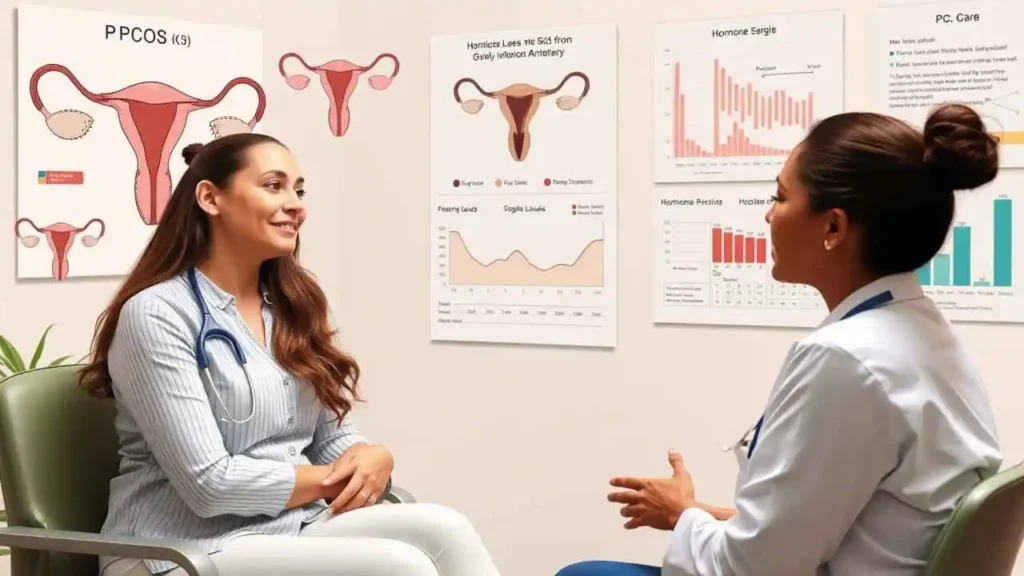
Understanding Polycystic Ovary Syndrome (PCOS): A Comprehensive Guide
As we delve into the world of women’s health, we often come across terms that seem complex and overwhelming. One such condition that has been gaining attention in recent years is Polycystic Ovary Syndrome, or PCOS. As we strive to educate ourselves and others about this condition, we will explore what PCOS is, its symptoms, causes, and treatment options.
“The greatest wealth is health” – Virgil
This quote resonates deeply with us as we navigate the complexities of PCOS. As we will discuss, PCOS is a hormonal disorder that affects 5-10% of women of childbearing age, making it one of the most common endocrine disorders among women.
What is PCOS?
PCOS is a hormonal disorder that affects women of reproductive age. It is characterized by a group of symptoms related to hormonal imbalance, ovulation, and cysts on the ovaries. The exact cause of PCOS is still unknown, but it is believed to be related to a combination of genetic, environmental, and lifestyle factors.
The following table summarizes the key characteristics of PCOS:
| Characteristics | Description |
| Hormonal Imbalance | High levels of androgens (male hormones) and insulin resistance |
| Ovulation Problems | Irregular or absent ovulation, leading to infertility |
| Cysts on Ovaries | Fluid-filled sacs on the ovaries, which can be detected by ultrasound |
| Weight Gain | Many women with PCOS experience weight gain, particularly in the midsection |
| Acne and Hirsutism | Excessive hair growth and acne due to high androgen levels |
Symptoms of PCOS
The symptoms of PCOS can vary from woman to woman, but common symptoms include:
- Irregular menstrual cycles or amenorrhea (absence of periods)
- Weight gain and obesity
- Acne and hirsutism (excessive hair growth)
- Male pattern baldness
- Cysts on the ovaries
- Infertility or difficulty getting pregnant
- Mood changes, such as depression and anxiety
Here are some key points to consider when it comes to PCOS symptoms:
- Irregular periods: Women with PCOS may experience irregular periods, which can make it difficult to conceive.
- Weight management: Maintaining a healthy weight can help alleviate PCOS symptoms, such as insulin resistance and hormonal imbalance.
- Hormonal treatments: Hormonal birth control pills or other medications may be prescribed to regulate menstrual cycles and reduce androgen levels.
Causes of PCOS
While the exact cause of PCOS is still unknown, research suggests that it may be related to a combination of genetic, environmental, and lifestyle factors. Some possible causes of PCOS include:
- Genetic predisposition: Women with a family history of PCOS are more likely to develop the condition.
- Insulin resistance: High insulin levels can contribute to hormonal imbalance and ovulation problems.
- Hormonal imbalance: High levels of androgens can disrupt ovulation and lead to cysts on the ovaries.
- Environmental factors: Exposure to environmental toxins, such as endocrine-disrupting chemicals, may contribute to PCOS.